African Wild Cat Facts: The Ancestor of Every Pet Cat on the Planet
The Wildcat That Changed Human History
The African wildcat holds a unique place in natural history. Every domestic cat descends from this remarkable species.
Every tabby, Persian, Bengal, and house cat shares the same ancestor. Scientists traced this ancestry to the African wildcat, Felis lybica lybica.
Domestication began about 10,000 years ago in the Fertile Crescent. Early farming communities stored grain that attracted rodents. Consequently, wildcats followed their prey and settled near people.
Unlike many domesticated animals, the process developed naturally. Wildcats benefited from hunting rodents, while people welcomed their pest control.
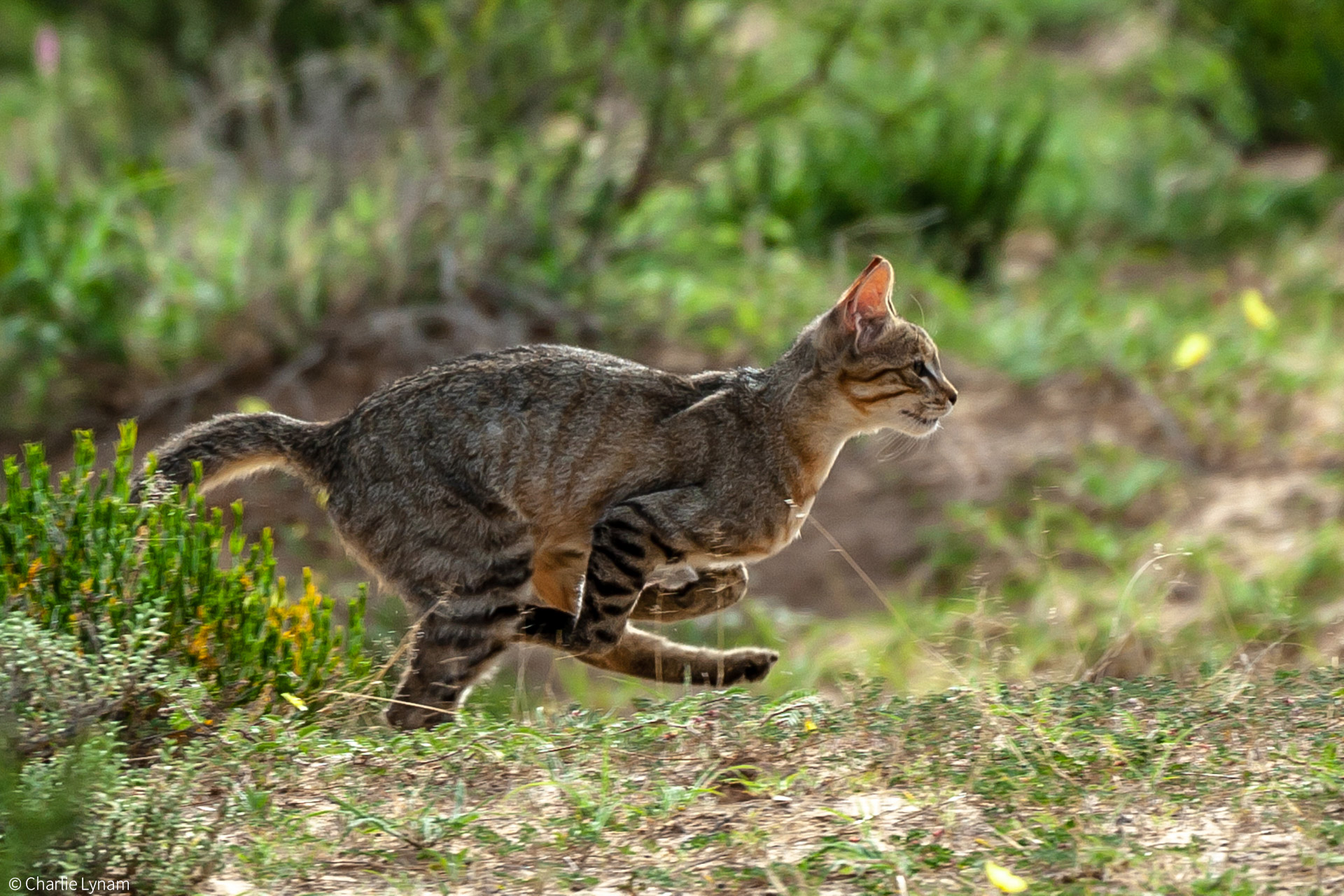
Today, African wildcats still roam East and Southern Africa. At first glance, they resemble large grey tabby cats. They have sandy coats, faint stripes, and ringed tails.
However, these similarities create a conservation challenge. African wildcats breed freely with domestic and feral cats. As a result, genetically pure populations continue to decline.
Despite their familiar appearance, African wildcats remain skilled predators. They hunt rodents, birds, reptiles, and insects with remarkable precision.
African Wildcat Biology
African wildcats are slightly larger than most domestic cats. Adults weigh between 3 and 6.5 kilograms.
They have longer legs, longer tails, and a more upright posture. Consequently, they appear taller and leaner than house cats.
Their coats range from sandy grey to grey-brown with faint tabby markings. Northern populations are generally paler than southern ones.
Bright reddish-orange fur behind the ears helps identify pure wildcats. However, distinguishing hybrids often requires genetic testing.
African wildcats live alone and hunt mostly at night. Males occupy larger territories that overlap with several females.
Rodents form most of their diet. They also catch birds, lizards, insects, and occasionally rabbits.
Like other small cats, they stalk quietly before making a rapid attack. A precise bite quickly kills their prey.
The Hybridization Threat
Hybridization is the African wildcat’s greatest conservation threat. Domestic and feral cats breed easily with wild populations.
Because the offspring remain fertile, hybridization spreads quickly. Consequently, pure wildcats become increasingly rare near human settlements.
In parts of South Africa, hybrids make up over 80 percent of local populations.
Today, the strongest pure populations survive in remote wilderness. These areas include the Kalahari, Namib Desert, Serengeti, and Central Kalahari Game Reserve.
Conservation groups monitor wildcat genetics across Africa. Additionally, some reserves manage domestic cat populations to reduce hybridization.
However, identifying pure wildcats remains difficult without DNA testing.
Ironically, the domestic cat now threatens the survival of its own wild ancestor.
Where to See African Wildcats
African wildcats are nocturnal and difficult to find. Therefore, night drives offer the best viewing opportunities.
South Africa’s Kgalagadi Transfrontier Park is one of the continent’s finest locations. Botswana’s Central Kalahari, Namibia’s Etosha, and Tanzania’s Ruaha also support healthy populations.
Even experienced guides sometimes struggle to confirm a pure wildcat. Many sightings are recorded as possible hybrids.
Nevertheless, watching an African wildcat hunt beneath the stars remains an unforgettable safari experience.
Plan Your Safari
African Wild Trekkers includes Kgalagadi Transfrontier Park in selected Southern Africa safaris.
This remarkable destination offers excellent opportunities to see African wildcats, servals, and caracals.
Combined with outstanding predator viewing, it delivers one of Africa’s finest night safari experiences.
Contact African Wild Trekkers at africanwildtrekkers.com/contact with your travel dates, and we will design a Southern Africa itinerary that includes Kgalagadi’s remarkable small predator diversity alongside the broader safari circuit within 24 hours.