Meditation Africa Retreat: Finding Stillness in East Africa’s Wilderness
The African bush is already a meditative environment. It demands attention. It rewards stillness. provides a continuous stream of sensory experience — sound, smell, light, and temperature that pulls awareness into the present moment. These qualities align precisely with what formal meditation practice trains. A person who sits quietly for 20 minutes in an East Africa bush clearing, attending fully to what is present, is already practising meditation. Guided meditation in this environment uses the bush itself as the primary meditation object. The calls, the silences, and the animal sounds all become the focus rather than an obstacle to concentration.
The Bush as Meditation Environment
Formal meditation research consistently identifies natural environments as more restorative than urban ones. The specific qualities of East Africa’s bush match the conditions associated with the most significant restoration responses in research. The environment offers soft fascination stimuli and absence of threat signals. It provides low background noise and natural complexity without information overload. Moreover, the absence of manufactured sound in the deep bush allows hearing to open to a broader frequency range. The low vibration of elephant communication can be felt through the ground. The sequential calling of bird species across a morning session becomes a natural meditation object without any additional instruction.
Guided Meditation Sessions at Safari Camps
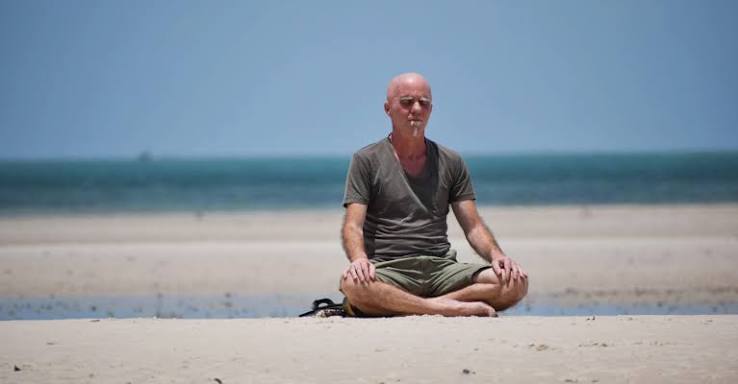
Guided meditation at East Africa safari camps takes several forms. Sound bath sessions use Tibetan singing bowls layered over ambient bush sound. They produce immersive acoustic meditation environments. Breathwork sessions draw on pranayama tradition or Wim Hof method breathing. Nature sit sessions — the simplest and often most effective — position participants individually in sheltered spots in the bush. They invite 20 to 45 minutes of open awareness without directed focus. Additionally, walking meditation circuits use slow, deliberate movement as the meditation form. Participants follow defined short bush trails at a pace that keeps full attention on the immediate environment.
Meditation as Part of the Safari Day
The standard safari day carries its own natural structure that supports meditation practice. The pre-dawn game drive departure aligns with contemplative tradition’s recommended practice time. The midday heat enforces a natural rest period that suits extended sitting practice. The post-dinner period, when night sounds intensify and the campfire settles to embers, provides an evening sit opportunity. Camps that offer meditation programming integrate it into these natural rest periods. As a result, the wildlife experience and the meditation practice reinforce each other rather than competing for the same time.
Plan Your Safari
Dedicated meditation retreat programmes are most developed at camps that specifically market wellness tourism alongside wildlife. Kenya’s Laikipia and the Maasai Mara rim carry several camps with guided wellness programmes. Tanzania’s Ngorongoro Crater rim and the Serengeti private camp circuit offer meditation programming at specific properties. For guests who practise independently, any East Africa bush camp provides the environment. The specific programme matters less than the quality of the setting and the willingness of camp staff to support outdoor sitting sessions.
African Wild Trekkers selects East Africa camps with genuine outdoor meditation environments and qualified wellness practitioners. Contact us to plan a safari that combines wildlife viewing with the stillness practice that East Africa’s natural environment supports so powerfully.