Kenya Dawn Chorus: Experiencing the Bird Symphony at First Light
The dawn chorus is one of nature’s most extraordinary acoustic events. In Kenya’s forests and highland environments, it begins well before sunrise. A single species calls in the darkness. Then another joins. Then five more.
Within 30 minutes of the first call, the forest or savanna margin fills with layered sound from dozens of simultaneously calling species. The total acoustic complexity of a full East Africa dawn chorus, with species calling from ground level to canopy height across a range of habitats simultaneously, is something that no recording fully captures and no description fully conveys.
It must be experienced directly. Standing in Kakamega Forest or at the Aberdare forest margin in the first grey light of a Kenya morning, when the chorus reaches its peak intensity, is a birding experience that serious and casual birders alike rank as one of the most memorable moments of any East Africa visit.
Kakamega Forest: Kenya’s Finest Dawn Chorus
Kakamega Forest in western Kenya is the country’s only true tropical rainforest. It is a remnant of the great equatorial forest that once stretched from West Africa to the Rift Valley. The forest’s bird list exceeds 360 species. Many are West African species found nowhere else in East Africa, making Kakamega a genuinely unique birding destination within Kenya.
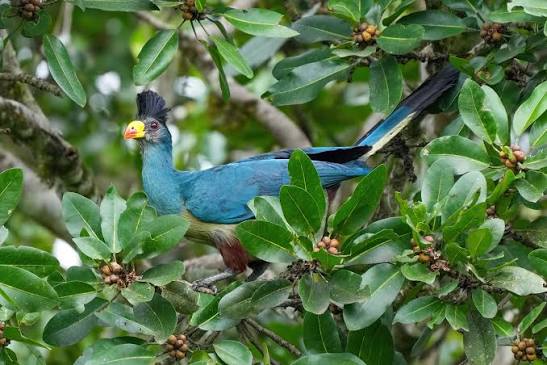
The dawn chorus in Kakamega begins around 05:30 and reaches peak intensity between 06:00 and 07:00. The grey-chested illadopsis, the black-billed weaver, the blue-headed sunbird, and the great blue turaco all contribute their calls to a layered acoustic environment of exceptional richness.
Furthermore, the forest path along the Isiukhu River at dawn produces the most concentrated bird activity in Kenya’s finest forest birding destination. Specialist birders travelling specifically for Kakamega’s endemic and range-restricted species build their entire day around the 90-minute window between first light and full morning activity.
Aberdare Forest Dawn Birding
The Aberdare Mountain Forest above 2,000 metres provides a highland dawn chorus of different character from Kakamega’s lowland tropical forest sound. The high-altitude species community includes mountain greenbuls, Hartlaub’s turaco, and Jackson’s francolins calling from the moorland margin.
The Aberdare forest dawn begins later than Kakamega’s, typically around 06:00 at these altitudes, because the higher elevation delays the temperature rise that triggers calling behaviour. However, the clarity of the highland air and the forest’s lower background noise level make each individual call more distinct and identifiable than in the acoustic density of a lowland tropical forest.
Additionally, the Aberdare’s forest edge, where highland forest meets the open moorland, produces a transitional zone where both forest and moorland species call simultaneously in the early morning. This overlap zone provides some of the highland chorus’s richest species encounters.
Savanna Dawn Chorus at the Maasai Mara
Kenya’s Maasai Mara produces a different version of the dawn chorus from its forest counterparts. The savanna dawn chorus begins with the liquid calls of the lilac-breasted roller from exposed perches across the open grassland. Ground hornbills boom from the acacia margins. Flocks of helmeted guineafowl call loudly from their overnight roost trees as they descend to feed in the morning light.
The superb starling adds a metallic, chattering dimension to the open-grassland morning sound environment. Fischer’s lovebirds call in small groups from the acacia canopy. The Mara dawn chorus lacks the acoustic density and species richness of Kakamega’s forest chorus.
However, it rewards an early morning vehicle departure with a sound environment that the midday savanna never produces. The combination of dawn light, calling birds, and the movement of predators and prey in the grass during the first hour of light creates the Mara’s most complete sensory experience of any single day.
Plan Your Safari
Kakamega Forest dawn chorus birding works best from accommodation at the forest edge with a guide who knows the Isiukhu River path and the most productive dawn birding circuits. The most productive months are the dry periods of January to February and July to August when clear mornings produce the most intense calling activity.
Aberdare Forest dawn birding operates from highland camp accommodation within or adjacent to the forest reserve. Maasai Mara dawn birding requires only an early game drive departure at 05:30 rather than the standard 06:00 start. Communicating a specific dawn birding interest when booking allows the camp to prepare an appropriate guide and route.
African Wild Trekkers includes dawn chorus birding in Kenya itineraries at Kakamega, the Aberdares, and the Maasai Mara for bird-focused guests. Contact us to plan a Kenya safari that captures East Africa’s most remarkable acoustic wildlife experience at first light.