Uganda, Rwanda, anda, and Tanzania: Three-Country Primate and Plains Safari
Three Countries, One Extraordinary East Africa Safari
A Uganda-Rwanda-Tanzania safari combines the three most compelling wildlife experiences in East Africa into a single itinerary. No individual country can match it alone. Mountain gorillas in Uganda’s Bwindi Forest andand gorilla trekking in Rwanda’s Volcanoes National Park. And the vast wildlife spectacle of Tanzania’s Northern Circuit createss a journey unlike any other. It moves from dense equatorial forest to ancient volcanic highlands to the open savannahs most people picture when they imagine Africa. This is an itinerary for travelerswho want the full breadth of what East Africa offers. Not the highlights of any single destination.
Why These Three Countries Work Together
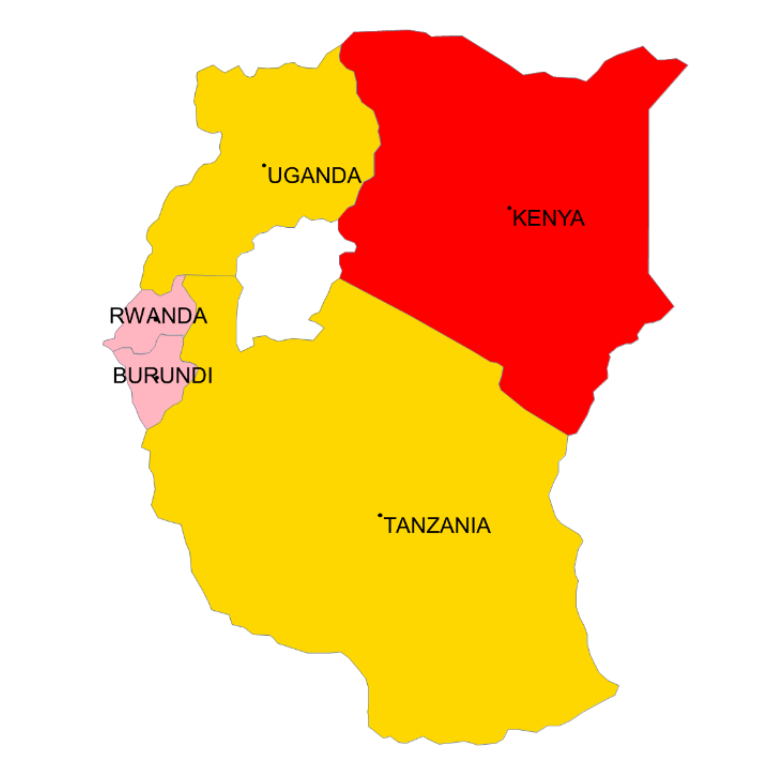
Uganda, Rwanda, and Tanzania sit within a geographic and ecological arc. It connects the great ape forests of the Albertine Rift with the open savannah of the Eastern Rift Valley. The contrast between these environments is part of what makes the combination so compelling. You move from forestss that gorillas and chimpanzees have inhabited for millions of years to landscapes where the wildebeest migration has followed the same seasonal circuit for hundreds of thousands of years. The transition between these ecosystems within a single trip creates a more complete understanding of Africa than any single-country itinerary can provide.
Uganda: Gorillas and Chimpanzees
Uganda anchors the primate component of this itinerary with two world-class ape experiences. Bwindi Impenetrable Forest in the country’s southwest is home to roughly half the world’s remaining mountain gorillas. A trekking permit places you with a habituated family for a full hour of close-range observation. The forest environment, the sounds,, and the smellsells of the vegetation. And the sheer physical presence of a silverback gorilla in its its natural habitat createss an experience of a completely different order. Nothing in a zoo or wildlife sanctuary compares. Gorilla trekking in Bwindi consistently ranks among the most powerful experiences travelersdescribe from their entire lives.
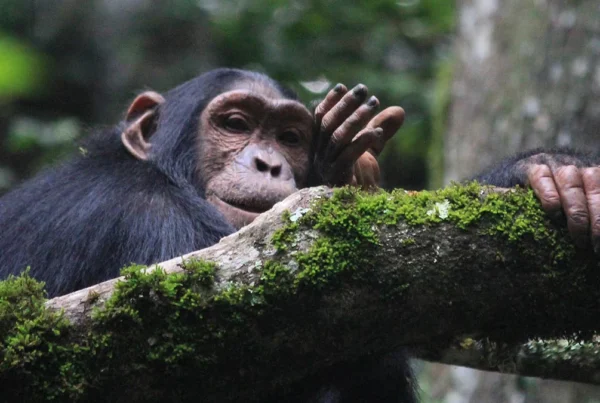
Kibale Forest National Park adds chimpanzee trekking to the Uganda leg of the itinerary. Kibale holds the highest density of primates in East Africa. The habituated chimpanzee communities here can be observed for up to four hours on the habituation experience permit. Chimpanzee behavioris energetic, complex, and often unpredictably dramatic. This contrasts with the more measured presence of gorillas—andakes the two experiences complement each other perfectly. Queen Elizabeth National Park bridges the gap between the forest ape experiences and Tanzania’s savanna.It offers tree-climbing lions, elephant herds, and the outstanding Kazinga Channel boat safari.
Rwanda: A Second Gorilla Encounter in Different Forest
Rwanda’s Volcanoes National Park offers a second mountain gorilla trekking experience in a visually distinct setting from Uganda’s Bwindi. The Virunga volcano chain rises to over 4,500 meters and creates a dramatic landscape of bamboo forest, open mountain heath, and volcanic rock. It looks and feels entirely different from Bwindi’s lowland equatorial forest. The gorilla families in Volcanoes Park are habituated to human presence. The permit structure is identical to Uganda’s: a maximum of eight visitors per group, for one hour with the gorillas. Rwanda’s additional USD 800 premium over Uganda’s permit price reflects the country’s positioning as a higher-end destination. The gorilla experience itself is comparable.
Rwanda’s compact geography makes it an efficient addition to an itinerary. Kigali airport receives direct flights from Nairobi, making the connection to Tanzania’s Kilimanjaro or Dar es Salaam airports straightforward. Volcanoes National Park is a two-hour drive from Kigali. With two nights at a lodge near the park boundary, a Rwanda gorilla trekking addition adds only two to three days to an itinerary. It delivers a genuinely different gorilla experience in a landscape that photographs very differently from Uganda. Dian Fossey’s historical presence at the Karisoke Research Center adds an additional layer of context for travelers interested in gorilla conservation history.
Tanzania: The Plains Safari Counterpoint
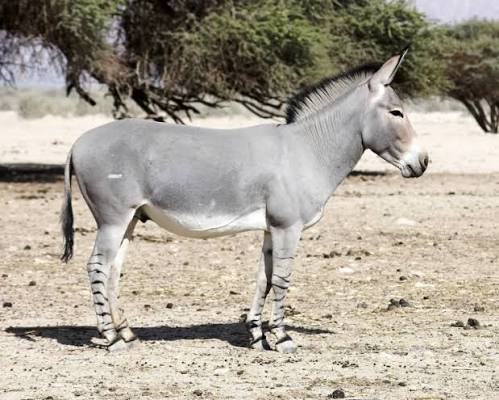
Tanzania provides the plains safari counterpoint that transforms a primate-focused itinerary into a comprehensive East Africa experience. The Serengeti National Park is the most famous wildlife reserve on earth. Arriving here after days in Uganda and Rwanda’s dense forests creates a visceral contrast that amplifies the impact of both environments. The open horizon, the dust of game drives, and the sound of lions calling across grassland at dusk. And the sheer spectacle of large herds moving across ancient plains represents everything that the word “safari” originally meant.
Ngorongoro Crater adds a different dimension to the Tanzania leg. It is a self-contained ecosystem within the world’s largest intact volcanic caldera. All of Africa’s iconic species live here in extraordinary proximity. The crater’s black-maned lions, resident rhinos, and vast flamingo flocks on the soda lake. And enormous elephant bulls create a wildlife density that impresses even travelers who have already spent days in the Serengeti. Zanzibar as a final add-on after Tanzania’s safari parks provides a beach recovery. It balances the physical demands of trekking with complete relaxation before the international flight home.
Practical Itinerary Structures
A Uganda-Rwanda-Tanzania itinerary requires between 14 and 21 days to cover the key highlights without feeling rushed. A 14-day structure allocates roughly four days to Uganda and three days to Rwanda. And seven days in Tanzania, including travel days between countries. A 21-day structure allows deeper exploration of each country. This means more time in Uganda for multiple gorilla treks or additional parks such as Murchison Falls. It also allows a fuller Rwanda experience that might include the Akagera plains safari. The Tanzania leg can extend beyond the Northern Circuit to include a Zanzibar beach extension.
The most efficient routing enters Uganda at Entebbe, travels overland or by light aircraft through the western circuit parks, then crosses to Rwanda by road or air. From Kigali, flights connect to Kilimanjaro or Dar es Salaam for the Tanzania segment. International departure from Kilimanjaro, Dar es Salaam, or Zanzibar completes the circuit. This routing minimizes backtracking and follows a logical west-to-east geographic progression that mirrors the ecological transition from forest to savannah.
Plan Your Safari
A three-country itinerary requires advance planning for gorilla permits in both Uganda and Rwanda. These sell out many months ahead during peak season. Lodge reservations in the Serengeti and on the Ngorongoro crater rim also need securing well before travel dates. The interconnecting logistics between three countries. With different immigration requirements and permit systems. And lodge booking platforms. Are most effectively managed through a single operator who handles all components.
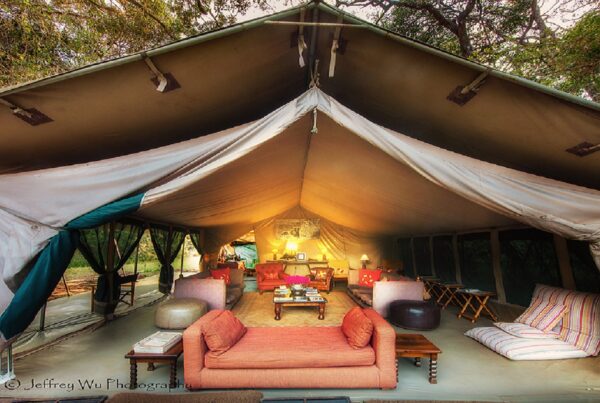
African Wild Trekkers designs and operates Uganda-Rwanda-Tanzania safari itineraries at all budget levels, from mid-range lodge packages to fully exclusive camp experiences. Every itinerary includes gorilla and chimpanzee permits, all inter-country logistics, experienced guides in each destination, quality accommodation, and park fees. The entire journey is handled as a single seamless package.
Contact African Wild Trekkers at africanwildtrekkers.com/contact with your travel dates, and we will design your three-country East Africa itinerary within 24 hours.