Rwanda Community Tourism: Authentic Experiences With Local People
Rwanda’s community tourism programs connect visitors with people living near national parks and natural attractions. These experiences create meaningful cultural exchanges and support local livelihoods. Unlike traditional tourism, visitors do not simply pass through communities. Instead, they engage with local people and learn from their experiences.
These programs create benefits for both visitors and communities. Travelers gain deeper cultural understanding, while community members earn income from tourism activities. As a result, conservation and tourism become shared efforts.
Rwanda has developed strong community tourism programs near Volcanoes National Park, Nyungwe Forest, and Akagera National Park. These experiences include cultural visits, craft cooperatives, guided walks, homestays, and conservation activities.
Community Programs at Volcanoes National Park
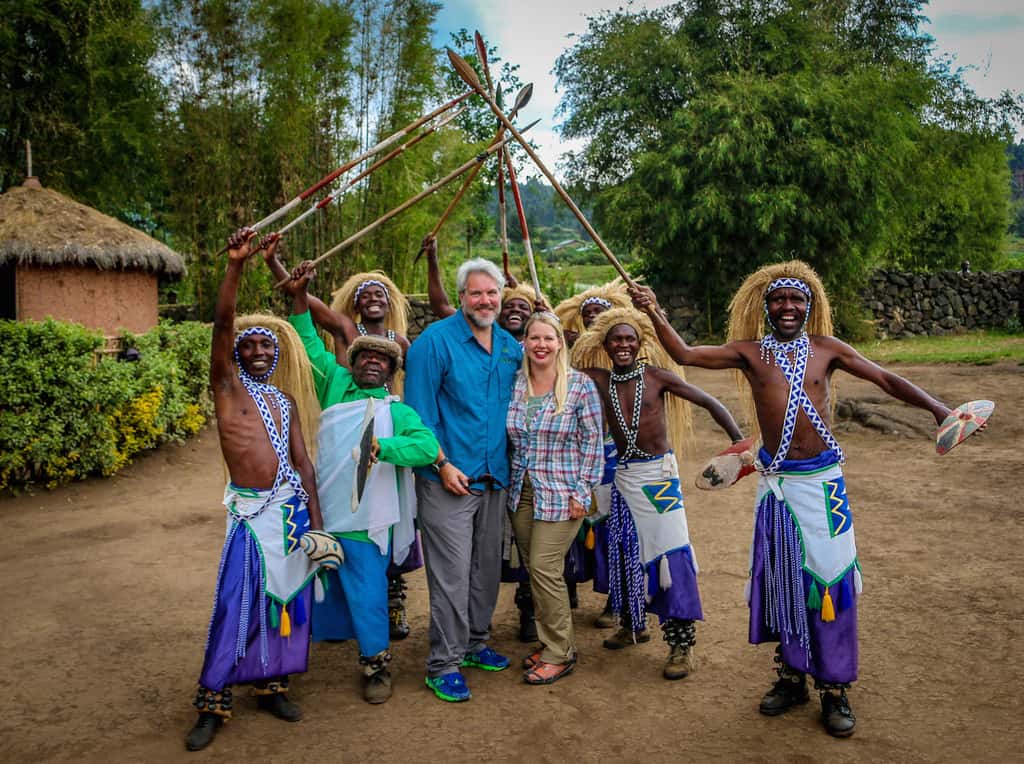
The Iby’Iwacu Cultural Village near Kinigi is Rwanda’s best-known community tourism project. Former poachers created the village to support conservation and improve local livelihoods. Today, around 100 community members earn income through cultural performances, crafts, and guided experiences.
The village shows how communities can transform their relationship with wildlife protection. Former poachers now share their knowledge and support conservation efforts. Therefore, visitors learn how local attitudes toward gorilla protection have changed.
The Gorilla Guardian Village offers another valuable experience. Retired gorilla trackers guide visitors through community walks. They share stories about forest life, gorilla conservation, and local history. Their personal experiences provide a unique connection between visitors and conservation.
Additionally, bamboo craft cooperatives around Musanze support local families. Community members create products from bamboo grown near the park boundary. Tourism sales provide extra income and encourage support for protecting the forest.
Nyungwe Community Programs
Communities near Nyungwe Forest offer several cultural experiences. Visitors can explore tea cooperatives, join community walks, and experience local homestays. These activities create direct links between tourism and local livelihoods.
Tea cooperatives near Nyungwe support thousands of farming families. Visitor spending helps farmers benefit directly from tourism. Therefore, communities gain more value from protecting the forest landscape.
Local guides near Gisakura and Uwinka also support tourism activities. They work as guides, porters, and forest assistants. These roles provide income for people living near the forest. Consequently, tourism creates stronger connections between visitors and local residents.
Including community members as active participants creates a more respectful tourism model. Visitors meet real people instead of simply observing local life.
Principles of Effective Community Tourism
Successful community tourism requires genuine community involvement. Local people should help manage and shape tourism experiences. This approach builds confidence, skills, and long-term ownership.
Programs managed only by outside organizations may provide benefits. However, community-led projects create deeper and more lasting impacts. When communities control their tourism activities, they can protect their culture and improve their livelihoods.
Visitor behavior also affects the quality of these experiences. Respectful questions, active listening, and genuine interest create better connections. Therefore, visitors should approach community activities as learning opportunities rather than simple attractions.
Plan Your Rwanda Community Tourism Experience
Community tourism adds depth to any Rwanda safari. Visitors can include a cultural village visit, community walk, or tea experience alongside wildlife adventures. These activities create meaningful connections with the people behind Rwanda’s conservation success.
African Wild Trekkers includes community tourism experiences in Rwanda’s safari itineraries. We connect visitors with local communities while supporting responsible tourism practices. Contact us to plan a Rwanda safari that combines wildlife, culture, and conservation.