Akagera Wild Dogs: Rwanda’s Extraordinary African Wild Dog Recovery Story
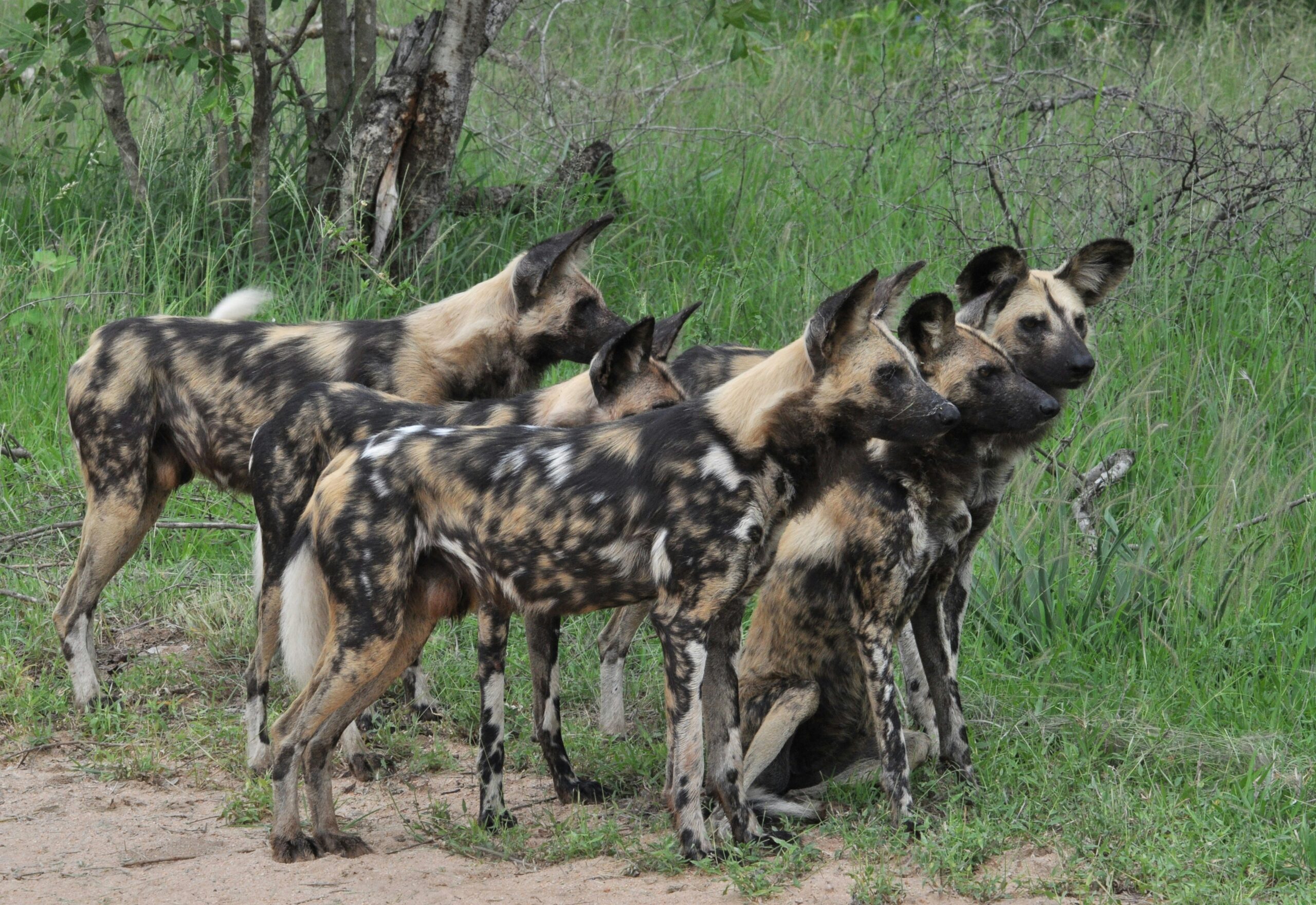
African wild dogs were reintroduced to Akagera National Park in 2021. The reintroduction brought a species absent from Rwanda for more than two decades back to its historic range. The 8 founding individuals from Zimbabwe have established a breeding pack. Wild dog pups have been born in Akagera. This represents one of the most significant wildlife reintroduction successes in central Africa in recent years.
African wild dogs are Africa’s second most endangered large carnivore after the Ethiopian wolf. Continental populations have declined dramatically from historic numbers due to habitat loss, disease, persecution, and conflict with human communities. Rwanda’s successful reintroduction adds a viable insurance population to the conservation network and demonstrates what is possible with adequate protection and community support.
Wild Dog Ecology in Akagera
Wild dogs are cooperative hunters that pursue prey with sustained endurance across open terrain. Akagera’s mixed savanna and woodland habitat provides suitable hunting grounds for the pack. The park’s growing impala and other medium antelope populations give the dogs an adequate prey base. The pack hunts in the early morning and late afternoon when temperatures are low enough for sustained pursuit.
The pack’s territory extends across a significant portion of Akagera’s area. Rangers and park staff monitor the pack’s movements daily using GPS collar data from key individuals. This monitoring allows the park to track pack health, pup survival, and territory use. The data also helps rangers position tourist vehicles for wild dog sightings when the pack is in accessible areas.
Wild dog packs have complex social structures centred on the dominant breeding pair. Pack members cooperate in pup rearing with non-breeding adults regurgitating food for young at the den. The social dynamics of the Akagera pack are monitored and documented by park staff. Wild dog social behaviour at the den site, when visible, is among the most engaging carnivore behaviour in the African safari experience.
Finding Wild Dogs in Akagera
Wild dog sightings in Akagera are not guaranteed on any individual game drive. The pack’s territory is large and dogs cover significant distances daily. The best strategy is allocating multiple game drive slots during an Akagera visit. Morning and late afternoon drives in the northern and central sectors of the park give the best chances based on current pack monitoring data.
The park rangers and guides receive daily updates on pack location from the monitoring team. Sharing this information with tourist vehicles improves sighting probability. Visitors willing to drive to wherever the monitoring data suggests the pack is located will have the best odds of a sighting. The extra driving involved is typically rewarded.
If wild dogs are found, they typically allow vehicles to approach without concern. The pack shows curiosity toward vehicles rather than alarm. This allows close observation of their behaviour. A wild dog encounter in Akagera, seeing them hunt, feed, or interact socially, is one of the most memorable wildlife experiences in Rwanda.
The Broader Akagera Story
The wild dog reintroduction is the latest chapter in Akagera’s remarkable conservation recovery. Lions were reintroduced in 2015 from South Africa. Black rhino were reintroduced in 2017. Elephant populations have recovered naturally. The park now holds the Big Five alongside a recovering ecosystem that includes hippo, buffalo, giraffe, zebra, and more than 500 bird species.
African Parks has managed Akagera in partnership with the Rwanda Development Board since 2010. The management improvements since 2010 have produced the wildlife recovery that visitors experience today. The transformation from a depleted and underprotected reserve into a well-managed safari destination in less than 15 years is a case study in what good management and adequate resources can achieve.
Plan Your Akagera Wild Dog Safari
A minimum of two nights in Akagera gives adequate game drive time for a realistic wild dog sighting chance. Three nights significantly improves the odds. Combining the dog search with lions, rhino, and the exceptional lake birding creates one of East Africa’s most complete Big Five safari experiences outside of the Serengeti-Masai Mara ecosystem.
African Wild Trekkers designs Akagera safari itineraries timed for the best wild dog sighting chances alongside the park’s full wildlife experience. Contact us to plan a Rwanda safari that includes a serious search for Africa’s second most endangered large carnivore in its newly restored Rwandan range.