Rwanda Conservation Model: Africa’s Best Wildlife Recovery Story
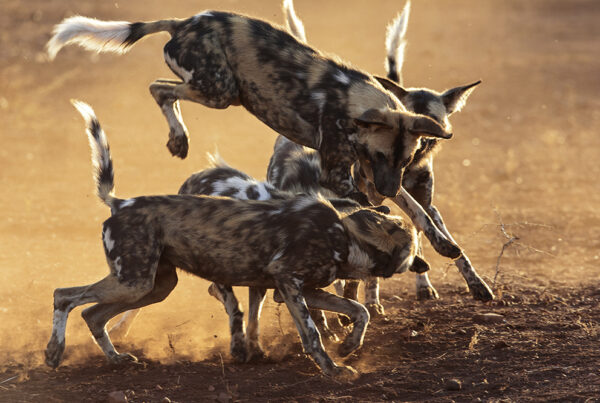
Rwanda’s conservation model is recognized worldwide as a successful example of wildlife recovery. The country restored mountain gorilla populations after they faced severe threats. It also returned lions and black rhinos to Akagera National Park. Additionally, Rwanda protects Nyungwe Forest, one of Central Africa’s richest ecosystems.
These achievements came from several connected efforts. Strong government leadership, skilled park management, tourism investment, and community involvement all played important roles. Together, these factors created a system that supports long-term conservation success.
Government Commitment and Policy
Rwanda has made conservation a national priority. The Rwanda Development Board manages national parks through a tourism-based funding system. Park fees generate income for conservation activities and wildlife protection. Therefore, tourism directly supports the management of protected areas.
The government also enforces strong wildlife protection laws. Anti-poaching teams receive resources, training, and monitoring support. For example, Akagera transformed from a struggling reserve into a thriving Big Five destination. This change followed improved management and stronger protection measures.
Furthermore, Rwanda’s environmental policies support conservation beyond national parks. The country protects buffer zones, community forests, and surrounding landscapes. Initiatives such as the plastic ban and reforestation programs strengthen environmental protection. As a result, conservation extends across the wider country.
Professional Park Management
Professional management has played a major role in Rwanda’s conservation progress. The partnership between the Rwanda Development Board and African Parks helped restore Akagera National Park. African Parks provides wildlife expertise, fundraising support, and effective management systems.
Meanwhile, specialist organizations support mountain gorilla conservation. The Dian Fossey Gorilla Fund monitors gorilla families and conducts important research. Veterinary teams also provide health support when needed. Together, these efforts help maintain healthy gorilla populations.
This cooperation shows the importance of combining local leadership with specialized knowledge. As a result, Rwanda’s protected areas benefit from strong planning and effective conservation practices.
Tourism Revenue and Community Benefits
Rwanda chose a premium tourism approach instead of focusing on large visitor numbers. The mountain gorilla permit price supports conservation while limiting pressure on gorilla habitats. Therefore, fewer visitors can still provide significant funding for wildlife protection.
Tourism revenue also supports communities near national parks. Rwanda’s revenue-sharing program allocates funds to local development projects. These projects support schools, health facilities, and water systems.
Consequently, communities gain direct benefits from protecting wildlife. This approach encourages people to view conservation as an opportunity rather than a limitation. It also strengthens cooperation between parks and nearby communities.
Lessons from Rwanda’s Conservation Model
Rwanda’s experience shows that wildlife recovery requires commitment, planning, and cooperation. No single action created these results. Instead, consistent efforts from government, conservation groups, tourism operators, and communities built lasting progress.
The Rwanda model demonstrates that successful conservation can happen in countries with limited land and resources. The key is maintaining strong leadership, reliable funding, professional management, and community involvement.
African Wild Trekkers designs Rwanda safari itineraries that connect visitors with the conservation efforts behind the country’s wildlife success. Contact us to plan a Rwanda safari that supports responsible tourism and unforgettable wildlife experiences.