Lake Bisina Uganda: Eastern Uganda’s Remote Shoebill Wetland
Lake Bisina Uganda sits in the remote wetland landscape of eastern Uganda near Soroti town. The lake covers a vast expanse of papyrus swamp, open water, and shoreline grassland. Serious birders target Lake Bisina Uganda specifically for the shoebill stork. This remarkable bird stands over 1.2 metres tall and hunts lungfish in papyrus swamps. Very few tourists reach this lake each year. That low visitor pressure preserves an authentic wilderness birding atmosphere throughout every visit.
The Lake Bisina wetland connects to the wider Opeta-Bisina Ramsar Wetland Site in eastern Uganda. Uganda Wildlife Authority and local communities jointly manage access and boat trip activities. The remoteness of Lake Bisina Uganda distinguishes it from the more visited Mabamba swamp near Kampala. Birders who visit both sites consistently rate Bisina as the more rewarding and atmospheric shoebill experience. Eastern Uganda rewards visitors with a level of solitude that the more popular western circuit cannot match.
Birding at Lake Bisina Uganda
Shoebill Stork at Lake Bisina Uganda
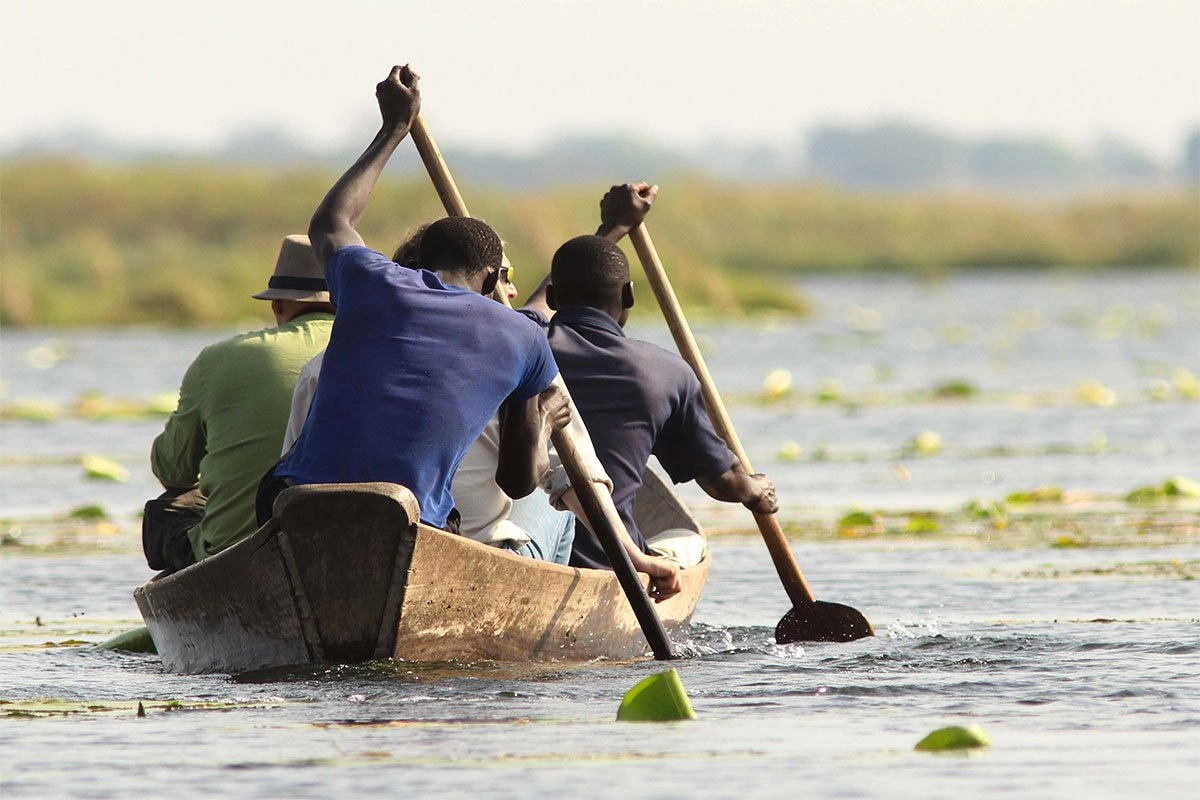
The shoebill stork is the defining attraction for every Lake Bisina Uganda birding visit. Local guides know the current territory of individual shoebill birds within the papyrus channels. Early morning boat trips starting at 06:30 give the best encounter conditions on calm water. Shoebills hunt actively in the morning before midday heat drives them to rest in dense papyrus. A patient 30-minute approach in a canoe brings birders to within close photographic range. Most visitors secure satisfying shoebill views within the first 90 minutes on the lake.
Lake Bisina Uganda holds excellent additional wetland species beyond the shoebill headline attraction. African jacana and painted snipe inhabit the shoreline and open papyrus edges. Grey crowned crane, Uganda’s national bird, feeds in the grassland areas along the shore. Saddle-billed stork and yellow-billed stork both occur in the shallow open water sections. Great white pelican and African fish eagle are visible from the boat throughout the day. The diversity of large waterbirds at Lake Bisina rivals that of any Uganda wetland site.
Papyrus Specialists at Lake Bisina Uganda
The papyrus zone around Lake Bisina Uganda shelters specialist bird species found only in African papyrus swamps. Papyrus gonolek is one of the most sought-after papyrus specialists and calls persistently from within dense stands. White-winged warbler inhabits the deepest papyrus sections and requires careful searching to locate and view. Papyrus canary and lesser swamp warbler both occur throughout the papyrus margin year-round. A knowledgeable local guide recognises each papyrus species by call before the bird becomes visible. These papyrus specialists are a significant draw for birders who have exhausted the species lists at Uganda’s main national parks.
Raptors over Lake Bisina Uganda include western marsh harrier hunting low over the papyrus surface. African marsh harrier and black kite both circle the open water sections throughout the morning. Pallid harrier and Montagu’s harrier visit the lake during the northern hemisphere winter migration period. Long-crested eagle perches on isolated trees at the water’s edge and is visible from the boat. Birding the full circuit around Lake Bisina Uganda in a single morning typically produces 80 to 100 species. That total reflects the exceptional diversity of this undervisited eastern Uganda wetland.
Wildlife and Getting to Lake Bisina Uganda
Mammals at Lake Bisina Uganda
Hippopotamus groups inhabit the deeper sections of Lake Bisina Uganda throughout the year. The hippos surface regularly in the open water between the papyrus zones. Boat trips past hippo groups require careful navigation with experienced local guide leadership. Sitatunga swamp antelope move through the lake’s papyrus margins at dawn and dusk. Olive baboon and vervet monkey inhabit the woodland and grassland areas along the shore. Nile crocodile occupies the lake margins and demands attentive awareness throughout every boat excursion.
Monitor lizards sun on papyrus islands and shoreline banks throughout the warmer parts of the day. The lake community has developed responsible wildlife viewing guidelines over years of visitor hosting. Following the guide’s positioning instructions protects both visitors and wildlife during every boat trip. These safety guidelines ensure that the wildlife experience remains genuine and undisturbed. A quality encounter with shoebill, hippo, and sitatunga in a single morning is entirely achievable at Lake Bisina. Few Uganda wetland sites match this combination of species in so accessible a format.
Route to Lake Bisina Uganda from Kampala
Lake Bisina Uganda lies approximately 270 kilometres northeast of Kampala near Soroti town. The drive takes four to five hours on a mix of tarmac and unpaved road. Most visitors overnight in Soroti and make a day trip to the lake from there. A 4WD vehicle handles the final approach road most comfortably during the wet season. Arranging a local guide in advance through the community guide network maximises visit quality. Booking accommodation and guide services at least one week ahead confirms availability on your chosen date.
Lake Bisina Uganda combines well with other eastern Uganda destinations in a circuit itinerary. Pian Upe Wildlife Reserve lies further northeast and adds large mammal game viewing to the trip. Sipi Falls on Mount Elgon provides a dramatic highland contrast to the flat wetland landscape. An eastern Uganda circuit covering Sipi Falls, Lake Bisina, and Pian Upe takes five to six days. This circuit is significantly less visited than western Uganda and delivers an authentic off-the-beaten-track safari. Few international visitors include eastern Uganda in their itinerary, making it one of Uganda’s most rewarding additions.
Plan Your Safari
Plan a Lake Bisina Uganda visit as part of an eastern Uganda circuit from Kampala. Budget five hours of driving each way and arrange overnight accommodation in Soroti before the lake visit. Book a community boat guide at least one week in advance to confirm availability on your date.
African Wild Trekkers designs eastern Uganda itineraries combining Lake Bisina shoebill birding with Sipi Falls, Pian Upe Wildlife Reserve, and Kidepo Valley National Park. We arrange local boat guides, Soroti accommodation, and all driving logistics for the full eastern circuit in a single organised package.
Contact African Wild Trekkers to plan your Lake Bisina Uganda safari. We respond within 24 hours and design eastern Uganda itineraries that combine the shoebill experience with the region’s most rewarding wildlife destinations.