Uganda Sitatunga Marshes: Tracking Africa’s Most Elusive Swamp Antelope
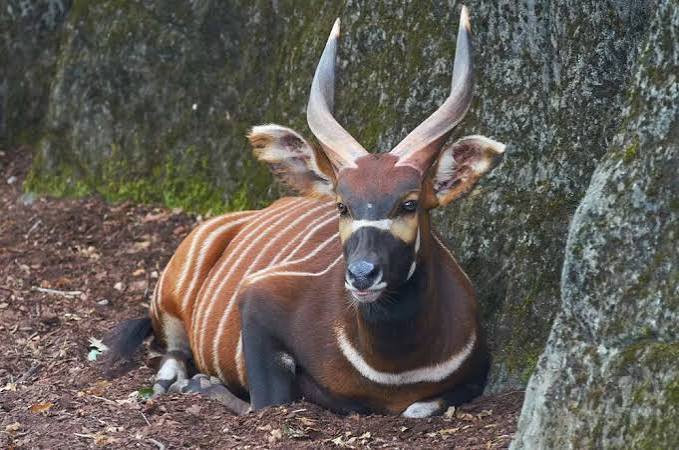
Uganda sitatunga marshes provide some of Africa’s best opportunities to observe this secretive, semi-aquatic antelope in its natural papyrus swamp habitat. The sitatunga is one of Africa’s most specialised antelopes, with elongated splayed hooves that support its weight on floating papyrus mats and a preference for the densest papyrus habitat that most large mammals avoid entirely. Uganda sitatunga marshes at Bigodi Wetland Sanctuary near Kibale National Park and along the Kazinga Channel in Queen Elizabeth National Park provide the most reliable sitatunga encounters in the country. Male sitatunga carry long, spiralled horns and stand visibly above the papyrus surface when they pause to assess their surroundings. Seeing a large male sitatunga emerge from dense papyrus at Uganda sitatunga marshes is one of the most rewarding wildlife encounters available on a western Uganda safari.
Uganda sitatunga marshes support this species in a habitat niche that few competing mammals can occupy. The papyrus swamp is dense, wet, and largely impenetrable to hoofed animals without the sitatunga’s specific physical adaptations. This habitat exclusivity makes the sitatunga a speciality encounter that game drive passengers in open savanna never experience. Boat trips along the Kazinga Channel and walking trails at Bigodi access Uganda sitatunga marshes from different angles, each producing a different character of sitatunga encounter. Understanding which sites, times, and approaches give the best results transforms a sitatunga encounter from a lucky sighting into a predictable and repeatable wildlife observation.
Uganda Sitatunga Marshes Key Sites
Bigodi Wetland Sanctuary Sitatunga
Bigodi Wetland Sanctuary near Kamwenge in western Uganda is Uganda’s premier walking trail site for Uganda sitatunga marshes encounters. The circular two-hour Bigodi trail passes through papyrus, mixed swamp, and forest edge habitat on a wooden boardwalk and raised footpath. Community guides lead small groups of four to six visitors through the Bigodi wetland and know the current sitatunga territories within the sanctuary. Male sitatunga at Bigodi are encountered regularly during early morning walks before 08:30. The boardwalk trail at Bigodi provides elevated viewing over the papyrus that allows sitatunga observation across a wider area than ground-level approach. Bigodi is a community-managed conservation area and all trail fees go directly to the Bigodi Community Trust.
Female sitatunga at Bigodi are seen less frequently than males because they remain deeper within the papyrus stems. A patient wait at a papyrus water channel on the Bigodi boardwalk sometimes produces female and juvenile sitatunga approaching the channel edge for water. The crepuscular timing of peak sitatunga activity at Uganda sitatunga marshes means that morning visits before 09:00 and evening visits from 17:00 produce the highest encounter rates. Afternoon visits during the hot midday period find sitatunga deep within the papyrus and rarely visible from the trail. Combining a morning Bigodi walk with an afternoon Kibale chimpanzee trek creates a full western Uganda primate and wetland wildlife day from a single Fort Portal base.
Kazinga Channel Sitatunga Encounters
The Kazinga Channel boat trip at Queen Elizabeth National Park passes extensive Uganda sitatunga marshes on the southern bank. Sitatunga inhabit the papyrus fringe along the channel and are regularly visible from the boat during morning departures. The boat approach from the water allows closer sitatunga observation than the walking trail at Bigodi because the animals do not associate boat presence with threat. Early morning Kazinga Channel boat trips at 07:00 consistently produce sitatunga sightings alongside hippo, crocodile, and waterbirds throughout the 90-minute excursion. The combination of sitatunga at the papyrus edge and hippo in the open channel water within a single field of view creates one of Queen Elizabeth’s finest wildlife photography scenes.
Uganda sitatunga marshes along the Kazinga Channel hold both male and female animals in higher concentrations than most other Uganda sites. The channel’s permanent water supply maintains year-round productivity in the papyrus zone. Game drive vehicles on the Kazinga Channel road sometimes spot sitatunga emerging from the papyrus edge in the late afternoon light. Vehicle sightings supplement the boat trip encounters and provide a different perspective on the species’ papyrus marsh habitat. Visitors who combine the morning Kazinga boat trip with a late afternoon vehicle drive along the channel bank cover both sitatunga observation approaches in a single Queen Elizabeth day.
Sitatunga Biology and Behaviour
Sitatunga Adaptations to Uganda’s Marshes
The sitatunga’s physical adaptations to the Uganda sitatunga marshes habitat are extensive and highly specific. Elongated hooves measuring 18 centimetres in length splay widely to distribute weight across floating papyrus surfaces. The hindquarters sit slightly higher than the forequarters, tilting the body to push forward through dense papyrus stems. A greasy, water-resistant coat prevents waterlogging during extended periods in swamp water. The spiralled horns of the male sweep backward in a tight spiral that prevents snagging in dense papyrus vegetation during movement. These combined adaptations make the sitatunga the most marsh-specialist antelope in Africa, more committed to aquatic habitat than even the lechwe of central Africa.
Sitatunga at Uganda sitatunga marshes demonstrate a distinctive alarm response involving a rapid submersion into the papyrus swamp to become completely invisible from above. This behaviour allows sitatunga to evade aerial predators including crowned hawk eagle. An alarmed sitatunga at Bigodi or Kazinga submerges until only the tip of its nose remains above water. This submerged hiding behaviour makes sitatunga extremely difficult to locate after initial flush. Patient waiting after a flush sometimes produces a resurface event within 15 minutes when the animal assesses the threat as passed. This behaviour sequence is fascinating to observe and demonstrates the evolutionary refinement of an antelope perfectly matched to its specific habitat.
Photography at Uganda Sitatunga Marshes
Uganda sitatunga marshes photography challenges photographers with variable light inside papyrus swamps. The contrast between bright sky above the papyrus canopy and the shaded interior where sitatunga stand creates exposure management issues that require manual settings or exposure compensation. A lens of 400mm or longer is recommended for meaningful sitatunga photography from the Bigodi boardwalk or the Kazinga Channel boat. The warm morning light at Uganda sitatunga marshes between 06:30 and 08:30 provides the most flattering illumination for sitatunga coat colour and horn detail. Position the camera so the papyrus fringe frames the sitatunga without obscuring the face and horns. Patience at a specific papyrus gap on the trail or channel edge produces better results than continuous movement through the Uganda sitatunga marshes.
Male sitatunga photography at Uganda sitatunga marshes reaches its finest quality when a large male with fully developed horns stands at the papyrus edge in early morning light. The combination of spiral horns, shaggy brown coat, and papyrus setting creates a photograph that captures both the physical character of the animal and the ecological context of its marsh habitat. Few Africa safari visitors target sitatunga as a prime photography subject. Those who do return from Uganda sitatunga marshes visits with images that consistently draw attention from other wildlife photographers who have never considered this species seriously.
Plan Your Safari
Plan Uganda sitatunga marshes visits as early morning activities before 09:00 for the highest encounter rates. Book the Bigodi Wetland Sanctuary trail in advance through the community trust at least two days ahead. Include the morning Kazinga Channel boat trip at Queen Elizabeth National Park on every Queen Elizabeth itinerary and allow the boat guide to position specifically for sitatunga observation at the papyrus edge sections.
African Wild Trekkers includes Uganda sitatunga marshes visits at Bigodi and Kazinga Channel in western Uganda safari itineraries for wildlife and birding clients. We brief guides to position for sitatunga observation at the most productive papyrus edge sections during every Bigodi and Kazinga visit.
Contact African Wild Trekkers to plan your Uganda sitatunga marshes safari. We respond within 24 hours and design western Uganda itineraries that combine sitatunga encounters with gorilla trekking, chimpanzee tracking, and Queen Elizabeth game drives.