Albertine Rift Birding: East Africa’s Greatest Endemic Birding Hotspot
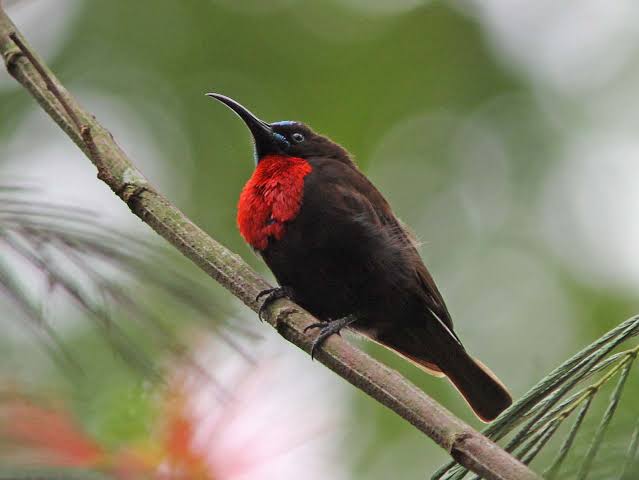
Albertine Rift birding in Uganda accesses one of Africa’s most celebrated ornithological hotspots. The Albertine Rift holds 37 bird species found nowhere else on Earth. Uganda provides the most efficient single-country access to the majority of these Albertine Rift birding endemics. The rift’s western escarpment forests in Uganda shelter rare and beautiful species across multiple altitude bands. Albertine Rift birding targets in Uganda include Bwindi Impenetrable Forest, Kibale National Park, Semuliki National Park, and the Rwenzori Mountain foothills. A well-planned Albertine Rift birding itinerary records 25 to 35 endemic species in ten days. Uganda’s combination of access, guide quality, and site diversity makes it the world’s top destination for this specific birding programme.
The Albertine Rift stretches from Lake Albert in the north to Lake Tanganyika in the south. It includes the Virunga volcanoes, the Rwenzori Mountains, and a chain of mid-altitude montane forests. Uganda’s western border follows the rift escarpment through its most biodiversity-rich section. This geographic position concentrates Albertine Rift birding targets at multiple accessible sites within a compact driving circuit. No other country along the rift provides this combination of access, infrastructure, and endemic concentration.
Top Albertine Rift Birding Sites in Uganda
Bwindi Albertine Rift Birding
Bwindi Impenetrable Forest is Uganda’s most productive single Albertine Rift birding site. Over 350 bird species inhabit Bwindi, including 23 Albertine Rift endemics. Albertine Rift birding at Bwindi targets Grauer’s rush warbler, African green broadbill, and Shelley’s crimsonwing. Chapin’s flycatcher and Ruwenzori batis are two more Bwindi-specific Albertine Rift birding priorities. The Ruhija sector at higher altitude produces highland Albertine Rift birding endemics not found at lower Buhoma. An experienced Bwindi birding guide connects visiting birders to these species efficiently.
Albertine Rift birding at Bwindi suits two to three full birding days for a comprehensive site coverage. The first day covers the lower Buhoma sector for mid-altitude endemics. The second day targets the Ruhija highland sector for bamboo and upper forest specialists. A third day revisits the most productive trail sections for species missed on the first two visits. This three-day Bwindi Albertine Rift birding structure produces the most complete Bwindi endemic list. Single-day visits miss altitude-specific species at one end of the park or the other.
Semuliki Albertine Rift Birding
Semuliki National Park adds Congo Basin lowland species to the Albertine Rift birding checklist. Several Semuliki specialities occur in Uganda only in this single lowland forest site. Semuliki Albertine Rift birding targets include red-billed dwarf hornbill, Nkulengu rail, and White-crested hornbill. Cassin’s honeybird is another Semuliki-specific species on the Albertine Rift birding target list. The Royal Mile forest road within Semuliki is the most productive single Albertine Rift birding transect for lowland Congo species. A full day at Semuliki produces 10 to 15 new species not recorded at any other Uganda site.
The Sempaya hot springs trail at Semuliki supplements the Albertine Rift birding programme with a dramatic thermal geology experience. The trail to the springs passes through lowland forest with active bird feeding along the edges. Red-rumped tinkerbird and African dwarf kingfisher both inhabit the trail vegetation. The Sempaya hot spring pools add geothermal interest to the Albertine Rift birding day. Combining the morning Royal Mile birding with an afternoon Sempaya springs walk creates the most varied single-day Semuliki programme.
Albertine Rift Birding Logistics
Timing Your Albertine Rift Birding Visit
Albertine Rift birding is productive year-round in Uganda. The dry season from June to September offers the best forest visibility for bird observation. Vegetation density drops during dry months and birds become more visible from trails. The rainy season from March to May and October to November brings high breeding activity. Many Albertine Rift birding endemics display and call most frequently during the rains. Resident species are present throughout the year so timing affects observation conditions more than species availability. Most serious Albertine Rift birding visitors choose the June to September window for its birding comfort.
Dawn is the peak Albertine Rift birding period at every Uganda site. Starting at 06:00 captures the most vocal and most active window before the midday quiet. Afternoon Albertine Rift birding from 15:00 to 18:00 adds crepuscular species including nightjars and rails. Midday hours are best used for rest, species review, and preparation for the afternoon session. A disciplined Albertine Rift birding day of six hours at dawn and four hours in the afternoon maximises species contact. Fatigue management across a multi-day Albertine Rift birding itinerary is as important as site selection.
Equipment for Albertine Rift Birding
Quality binoculars rated 8×42 or 10×42 suit Albertine Rift birding forest conditions well. The larger objective lens gathers enough light for understorey bird observation in dense canopy shade. A field guide specifically covering Albertine Rift birding endemics is essential reference material. Stevenson and Fanshawe’s Birds of East Africa covers the full Uganda list adequately. Sinclair and Ryan’s Birds of Africa South of the Sahara provides a useful supplementary reference. Audio recording apps help with call documentation during Albertine Rift birding sessions where sound is the primary identification tool.
Dress code for Albertine Rift birding forest sites emphasises neutral colours. Bright colours disturb birds and reduce encounter quality in forest understorey habitats. Green, brown, and khaki clothing blend with the forest background. Waterproof jacket and trousers protect equipment and the birder during brief rain showers. A lightweight camera with a 100-500mm telephoto lens captures the quality bird images that document the Albertine Rift birding list. Many Albertine Rift birding visitors use both binoculars and a camera simultaneously for rapid documentation.
Plan Your Safari
Plan a 10 to 14 day Albertine Rift birding itinerary covering Bwindi, Semuliki, Kibale, and the Rwenzori foothills. Book specialist Albertine Rift birding guides at each site in advance. Allow a minimum of two full birding days at each major site for a comprehensive endemic species coverage.
African Wild Trekkers designs specialist Albertine Rift birding itineraries for visiting birders. We book the best available endemic specialists at each site and design driving and birding schedules that maximise species contact time across the full rift endemic checklist.
Contact African Wild Trekkers to plan your Albertine Rift birding safari. We respond within 24 hours and build Uganda birding programmes that target the complete endemic checklist across the rift’s finest forest and mountain sites.