Rwenzori Bird Species: Birding Uganda’s Mountains of the Moon
Rwenzori bird species span a remarkable altitude range from lowland forest at 1,000 metres to the Afro-alpine zone at 4,500 metres. The Rwenzori Mountains of western Uganda hold a unique bird community shaped by the mountain’s extreme rainfall, equatorial position, and dramatic altitude gradient. Rwenzori bird species include several Albertine Rift endemics found only in this mountain range and nowhere else in the world. The Rwenzori turaco, Rwenzori double-collared sunbird, and Rwenzori nightjar are the three most celebrated Rwenzori-specific bird species. Serious birders combine the Rwenzori trek with the standard western Uganda circuit specifically to add these mountain endemics to their Albertine Rift list. The Rwenzori bird species list totals over 200 recorded species across the full altitude gradient.
Rwenzori bird species change completely with altitude. Montane forest below 2,500 metres holds forest endemics shared with Bwindi. Giant heather moorland from 2,500 to 3,500 metres supports a distinct highland community. The Afro-alpine zone above 3,500 metres shelters the highest altitude Rwenzori bird species specialists. Trekkers who spend multiple nights at different altitude camps encounter entirely different bird communities at each elevation. This altitude-driven species turnover makes the Rwenzori trek one of the most ornithologically varied single mountain experiences in Africa.
Key Rwenzori Bird Species by Zone
Forest Zone Rwenzori Bird Species
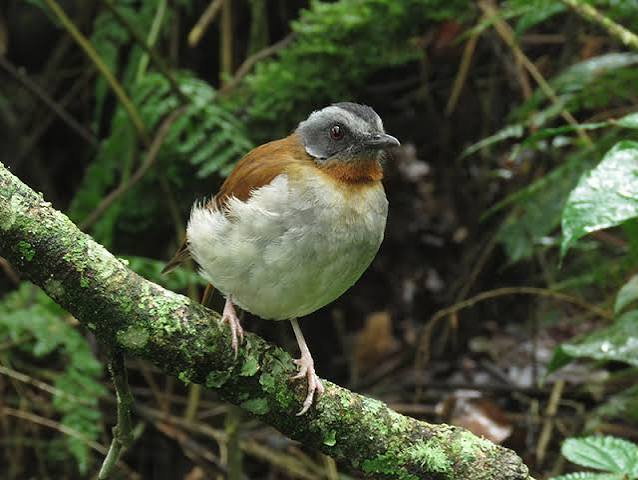
The lower forest zone below 2,500 metres holds the richest Rwenzori bird species diversity. Rwenzori turaco inhabits the forest canopy and calls loudly with a series of rising notes. Its crimson wing patches flash brilliantly in flight through the green canopy. Handsome francolin scratches through the forest floor in small groups near stream edges. Dusky crimsonwing is a small, secretive forest finch of the mid-altitude forest interior. Mountain masked apalis inhabits bamboo patches within the forest zone and calls persistently. Strange weaver builds its distinctive woven nest in small groups along forest edge streams.
Rwenzori bird species in the forest zone also include several sunbird endemics. Regal sunbird inhabits the forest canopy at 1,500 to 2,500 metres and is one of the most spectacular Uganda sunbird species. Its brilliant golden-yellow and green plumage makes it immediately conspicuous at flowering trees. Stuhlmann’s double-collared sunbird is another Rwenzori forest zone endemic with restricted range. Blue-headed sunbird inhabits the forest edges and is conspicuous throughout the lower forest zone. These sunbird species feed at flowering trees in the lower forest and are most reliably seen in the early morning feeding peak.
Highland Rwenzori Bird Species
The Rwenzori bird species community changes dramatically above the forest line. Giant heather moorland from 2,500 to 3,500 metres holds the Rwenzori double-collared sunbird. This sunbird feeds on giant lobelia flowers and is virtually guaranteed on any Rwenzori trek that reaches the moorland zone. Scarlet-tufted sunbird is another giant lobelia specialist in the same altitude band. Jackson’s francolin scratches through the moorland in pairs and small groups. Alpine swift hunts insects high above the moorland surface throughout the day. These Rwenzori bird species are found at few other African locations at this combination of altitude and equatorial position.
The Afro-alpine zone above 3,500 metres holds the smallest number of Rwenzori bird species but some of the most spectacular individuals. Rwenzori nightjar calls from rocky outcrops in this zone at dusk. Alpine chat inhabits the open rocky sections near the glacial lakes. The bearded vulture occasionally soars over the highest Rwenzori summits on thermal currents. Verreaux’s eagle hunts the upper rocky zones on its long, broad wings. These high altitude Rwenzori bird species require the full mountain circuit to access. Day hikes from the lower forest zone do not reach the zones where these species live.
Birding the Rwenzori Without Trekking
Lower Rwenzori Bird Species for Day Visitors
The Rwenzori bird species of the lower forest zone are accessible without the full mountain trek. The Mahoma Lake trail from Nyakalengija trailhead reaches good birding habitat in four hours return. This trail passes through lower montane forest with productive Rwenzori bird species diversity. Rwenzori turaco, Stuhlmann’s sunbird, and handsome francolin all appear along the Mahoma route. Many serious birders visit only the Mahoma trail section rather than committing to the full seven-day circuit. This approach adds the key lower forest Rwenzori bird species to the Uganda list in a single manageable day.
The foothills around Kasese and Kilembe provide accessible Rwenzori bird species habitat below the park boundary. Garden birds at Rwenzori Trekking Services camp in Nyakalengija include numerous lower-forest species at breakfast. The camp gardens attract sunbirds and weavers that provide easy observation at very close range. Birding the Kasese area forest patches before entering the park adds further species to the Rwenzori bird species morning total. These foothill sessions suit birders who travel to the Rwenzori for the endemic species but prefer not to undertake the high-altitude mountain circuit.
Rwenzori Bird Species Photography
Rwenzori bird species photography is challenging but highly rewarding. The forest zone provides dappled light and complex backgrounds that test exposure management. Using spot metering on the bird rather than the background produces the most accurate exposures in forest conditions. A 500mm lens with a fast aperture handles the low light levels in the forest understory adequately. Sunbird species at flowering lobelias in the moorland zone provide the easiest Rwenzori bird species photography opportunities. These birds return repeatedly to the same flowers and allow very close approach without flushing.
Early morning light on the Rwenzori moorland illuminates the scarlet-tufted sunbird at giant lobelia flowers with warm, golden colour. This is one of Uganda’s finest wildlife photography moments from any habitat type. The combination of the spectacular bird, the extraordinary plant, and the mountain landscape background creates images unavailable anywhere else in Africa. Rwenzori bird species photography at the moorland level requires the physical investment of the mountain trek. The result justifies the effort for serious nature photographers who visit the Rwenzori.
Plan Your Safari
Plan Rwenzori bird species birding through a combination of the Mahoma Lake day hike and the full mountain trek circuit. Allow two to three mornings at Nyakalengija before any trek departure for lower forest species at the trailhead. Book a specialist Rwenzori birding guide through the Uganda Wildlife Authority Kasese office or a specialist birding operator.
African Wild Trekkers designs Rwenzori birding programmes for visiting birders targeting Albertine Rift endemics. We arrange specialist mountain birding guides, Nyakalengija accommodation, and Mahoma trail logistics as part of western Uganda birding safari itineraries.
Contact African Wild Trekkers to target Rwenzori bird species on your Uganda safari. We respond within 24 hours and design mountain birding programmes that access the full altitude range of the Rwenzori’s endemic bird community.