Ruma National Park: Home of Kenya’s Last Roan Antelope
Ruma National Park protects the only remaining roan antelope population in Kenya. This 120-square-kilometer park in western Kenya’s Lambwe Valley sits above Lake Victoria. Ruma National Park is Kenya’s least visited national park and one of its most ecologically significant. The park’s western Kenya woodland habitat differs completely from the famous savanna parks of the south and east. Ruma National Park also holds Rothschild giraffe, topi, Bohor reedbuck, and oribi. The western Kenya location gives Ruma National Park a different bird community from the rest of the country.
Ruma National Park sits near the Homa Bay region of Nyanza Province. Lake Victoria is visible from the Ruma National Park escarpment viewpoints on clear mornings. The Lambwe Valley below the park holds farming communities that have coexisted with Ruma National Park wildlife for generations. The tsetse fly is present throughout Ruma National Park, and long-sleeved clothing and repellent are essential for all game drives. The tsetse fly’s presence historically limited human settlement in the Ruma National Park valley and contributed to wildlife protection.
Ruma National Park Wildlife
Roan Antelope at Ruma National Park
The Roan antelope at Ruma National Park is Kenya’s most endangered antelope population. The current Ruma National Park roan population numbers approximately 50 to 80 individuals. This small population represents the last viable roan antelope group in the entire country. The Kenya Wildlife Service protects Ruma National Park’s roan with dedicated ranger patrols and anti-poaching operations. The roan antelope is a large, handsome antelope with distinctive black and white facial markings. Finding roan antelope on a Ruma National Park game drive is a significant conservation encounter. These animals are difficult to photograph anywhere else in Kenya outside this single park.
In Ruma National Park, roan antelope inhabit the open woodland and grassland sections of the park. The early morning game drive from 06:00 to 09:00 produces the highest roan antelope encounter probability. Roan antelope move from night resting areas in the denser woodland to open feeding areas at dawn. Ruma National Park guides know the current roan antelope territory within the park and locate groups efficiently. A guide who knows individual roan antelope family groups dramatically improves the encounter success rate. Visiting Ruma National Park without a knowledgeable local guide reduces roan antelope sighting probability significantly.
Other Ruma National Park Wildlife
The Rothschild giraffe inhabits Ruma National Park as part of a managed western Kenya population. This subspecies has a very limited range across western Kenya and Uganda. In Ruma National Park, Rothschild giraffes are among the most accessible individuals of this endangered subspecies in Kenya. Topi are particularly abundant at Ruma National Park. Herds of 20 to 50 topi graze the open grassland sections throughout the day. Oribi is a small, delicate antelope that inhabits Ruma National Park’s short grassland areas. This species is uncommon in Kenya, and Ruma National Park is one of the most reliable sites for oribi in the country.
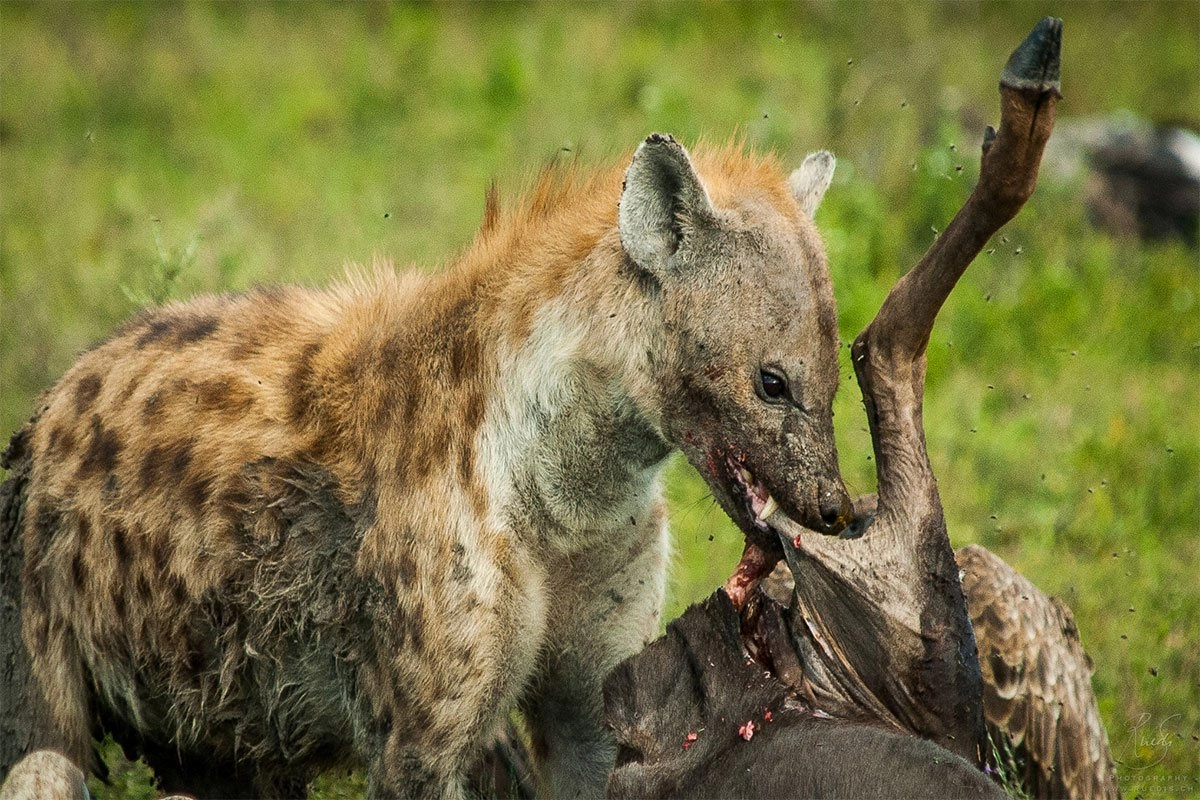
Hippopotamuses inhabit the Ruma National Park’s seasonal streams and the nearby Lake Victoria shore. Buffalo herds of 30 to 80 individuals move through Ruma National Park on regular daily circuits. The defassa waterbuck inhabits the Ruma National Park’s wetter grassland sections near seasonal water. Olive baboon troops are very abundant and boisterous throughout the park. Hyena clans inhabit Ruma National Park and are regularly encountered on dawn drives near resting wildlife groups. A lion occasionally visits Ruma National Park from adjacent areas but is not a resident in the park at present.
Ruma National Park Birding
Western Kenya Birds at Ruma National Park
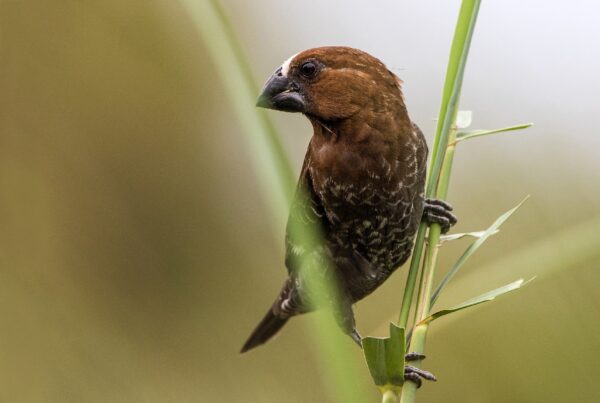
Ruma National Park holds over 400 bird species from its western Kenya forest and grassland habitats. The western Kenya position gives Ruma National Park species assemblages that do not occur in any eastern or northern Kenya park. The blue-headed bee-eater inhabits the forest edges of Ruma National Park as a West African species at the eastern edge of its range. The grey parrot inhabits the forested gullies within Ruma National Park. Papyrus canary occurs at the Ruma National Park papyrus edges near seasonal water. These western Kenya specialty birds make Ruma National Park a significant destination for Kenya birders.
Ruma National Park grassland holds a productive community of open-country birds. Denham’s bustard strides through the open sections on long legs. Jackson’s widowbird displays above the grassland with its extraordinary long tail in breeding season. Ruma National Park is one of Kenya’s most reliable locations for this spectacular grassland bird display. Greater blue-eared starling is common in the Ruma National Park woodland zone. The African broadbill inhabits the forest gullies and is a rare Kenyan record outside the western parks. A two-day Ruma National Park birding visit produces species unavailable anywhere else in Kenya for a dedicated lister.
Visiting Ruma National Park
Ruma National Park accommodation consists of KWS campsites inside the park. Homa Bay town nearby provides basic hotel accommodation for Ruma National Park visitors. Mbita town on the Lake Victoria shore is 30 minutes from the Ruma National Park gate and provides better accommodation options. Self-catering supplies from Homa Bay or Mbita are necessary for all Ruma National Park camping visits. A dedicated 4WD vehicle is essential for all Ruma National Park game drives. The park tracks are uneven and seasonally muddy even in the dry-season months.
Kisumu City is the nearest main airport to Ruma National Park at a 90-kilometer distance. Daily flights from Nairobi to Kisumu take 50 minutes and connect with a road transfer to the park. Driving from Nairobi to Ruma National Park takes seven to eight hours via Nakuru and Kisumu. The western Kenya circuit combining Ruma National Park with Kakamega Forest and Lake Victoria island visits creates an excellent western Kenya itinerary. Few safari operators actively promote Ruma National Park. This low profile creates the most uncrowded and exclusive Kenya national park game drive experience available in the country.
Plan Your Safari
Plan a Ruma National Park visit of two nights combined with Kakamega Forest birding and Lake Victoria for the complete Western Kenya circuit. Fly from Nairobi to Kisumu to save the long overland journey. Book a local guide with Ruma National Park roan antelope knowledge before arrival at the park gate.
African Wild Trekkers designs western Kenya safari itineraries that include Ruma National Park alongside Kakamega Forest and the Lake Victoria region. We arrange Kisumu flights, local guide bookings, and self-catering camp logistics for every Ruma National Park visit.
Contact African Wild Trekkers to include Ruma National Park in your Kenya safari. We respond within 24 hours and design western Kenya itineraries that access Kenya’s rarest antelope and most distinctive western wildlife community.