Diani Reef Diving: Kenya’s Premier Indian Ocean Dive Destination
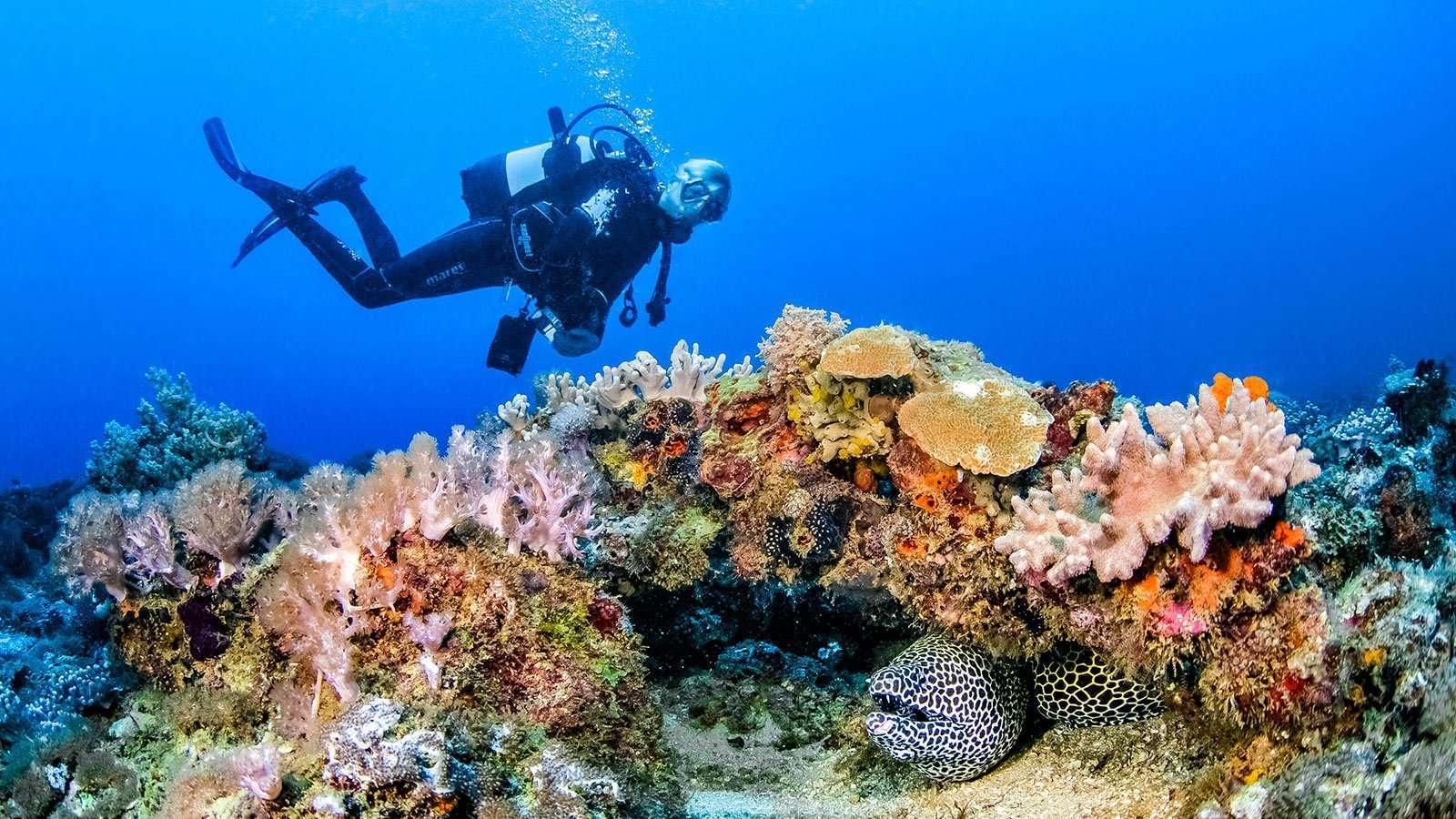
Diani reef diving accesses one of the Indian Ocean’s most accessible and diverse coral reef systems from Kenya’s most popular beach resort. It sits south of Mombasa sits beside the outer reef fringe of the Kenya coast reef system. Diani reef diving covers coral gardens, reef walls, and open water dive sites within 20 minutes boat ride from the beach. Diani reef diving sites include Three Tables, Kinondo, and Tewa caves for beginner to advanced level divers. Whale shark visits to Diani reef diving sites occur from November to March. Green turtles are guaranteed on almost every Diani reef diving excursion throughout the year.
Diani reef diving operators have established operations along the beach since the 1980s. The major Diani reef diving schools include Diani Sea Resort, H2O Extreme, and Alliance Hotels dive centre. All Diani reef diving operators are PADI certified and provide internationally qualified instructors. Beginners can complete a PADI Open Water course from zero experience to certified diver in three to four days of Diani reef diving training. Experienced Diani reef diving visitors can access any site up to 30 metres depth with appropriate certification and local guidance.
Diani Reef Diving Sites
Three Tables Diani Reef Diving Site
Three Tables is the most popular and accessible Diani reef diving site on the outer reef. Three coral heads rising from a sandy 12-metre floor create the three table formations that give the site its name. Three Tables Diani reef diving suits beginner and recreational divers of all experience levels. The coral heads at Three Tables Diani reef diving shelter an abundance of reef fish species including lion fish, moray eel, and Napoleon wrasse. Green turtle is reliably encountered resting on the coral heads between feeding dives. Three Tables Diani reef diving visibility averages 10 to 15 metres in the October to March optimal season.
Three Tables Diani reef diving reaches maximum depth of 15 metres at the base of the largest coral head. This comfortable depth allows long bottom times for recreational certified divers. Night Diani reef diving at Three Tables produces an entirely different community of nocturnal marine species. Spanish dancer nudibranch emerges from its daytime hiding positions on night Three Tables Diani reef diving dives. Bioluminescent plankton creates extraordinary light displays during night Diani reef diving in the June to August period. Three Tables night Diani reef diving is available through most Diani Beach operators by advance booking.
Tewa Caves Diani Reef Diving
Tewa Caves is Diani reef diving’s most adventurous and visually spectacular site. This reef section features a series of shallow cave systems at 10 to 18 metres depth. The cave entrances at Tewa Caves Diani reef diving are wide and safe for certified open water divers. Inside the caves, glassfish clouds shimmer in the filtered light entering from the cave mouths. Larger predators including trevally and barracuda hunt at the Tewa Caves Diani reef diving site entrance. Whitetip reef shark occasionally inhabits the deeper Tewa Caves Diani reef diving cave sections. This cave system creates one of Kenya’s most dramatic underwater light and wildlife photography opportunities.
Tewa Caves Diani reef diving requires a guided boat dive rather than a shore dive. The site lies 25 minutes by dhow or speedboat from the Diani Beach shore. Tewa Caves Diani reef diving is best dived in the morning before the afternoon sea state deteriorates. The cave light photography window at Tewa Caves Diani reef diving is most productive from 09:00 to 11:00 when sun angles illuminate the cave entrances from the outside. An underwater wide-angle lens captures the full cave mouth and silhouetted fish cloud at Tewa Caves Diani reef diving in a single dramatic image.
Diani Reef Diving Marine Life
Whale Shark at Diani Reef Diving Sites
Whale shark visits to Diani reef diving sites from November to March create Kenya’s most extraordinary marine wildlife encounter. These enormous fish regularly reach 10 to 12 metres in length at Diani reef diving sites. Snorkelling beside a whale shark on a Diani reef diving boat trip is open to non-divers as well as certified divers. Whale shark encounters at Diani reef diving sites average 20 to 60 minutes of interaction time when the fish is cooperative. The whale shark feeds on plankton at the surface with its massive mouth open. Diani reef diving visitors swim alongside this gentle giant in open water at the boat’s anchor position.
Humpback whale migrates past Diani reef diving waters from July to September. These massive mammals are visible from the Diani reef diving boats on the surface as they move along the Kenya coast. Humpback whale encounter from a Diani reef diving boat is an unexpected bonus for July and August divers. Bottlenose dolphin inhabits the Diani reef diving outer reef channel throughout the year. Dolphin encounters during Diani reef diving boat transits to dive sites occur regularly. Spinner dolphin is also recorded at offshore Diani reef diving sites during the southeast monsoon season.
Diani Reef Diving Photography
Diani reef diving photography suits compact underwater cameras for beginners and mirrorless systems for advanced photographers. The Olympus TG-7 compact produces excellent Diani reef diving images to 15 metres depth without any housing. A wide-angle dome port lens captures the full coral head width at Three Tables Diani reef diving. Macro lenses reveal the extraordinary detail of nudibranchs and small reef invertebrates at Tewa Caves Diani reef diving. Dual arm video lights eliminate the blue water colour cast in Diani reef diving images below eight metres. The October to February Diani reef diving season produces the highest water clarity for photography.
Green turtle photography at Diani reef diving sites rewards patience and non-disturbance. Approaching Diani reef diving turtles from below and swimming alongside produces the most natural-looking images. Chasing Diani reef diving turtles for photography causes stress and produces poor quality rapid-movement images. Waiting at the turtle’s feeding area and allowing it to approach on its own terms creates close, natural Diani reef diving turtle images. A confident, relaxed Diani reef diving approach to all marine photography subjects consistently produces the best results at every site.
Plan Your Safari
Plan three to five Diani reef diving days including Two Dives at Three Tables, a Tewa Caves dive, and a whale shark snorkelling trip from November to March. Book your Diani reef diving operator at least one week ahead in peak season. Consider a PADI Open Water course at Diani reef diving if you are a beginner wanting certification on the Kenya coast.
African Wild Trekkers includes Diani reef diving in Kenya south coast safari itineraries. We book certified Diani reef diving operators, arrange whale shark trip scheduling, and design coast programmes combining the reef, beach, and the Shimba Hills inland wildlife experience.
Contact African Wild Trekkers to plan your Diani reef diving programme. We respond within 24 hours and design south coast Kenya itineraries that combine the best Diani reef diving sites with the wider Kenya coast wildlife experience.