The Big Five in Kenya: An Overview
What Makes the Big Five Special
Origins of the Term and Why It Still Matters
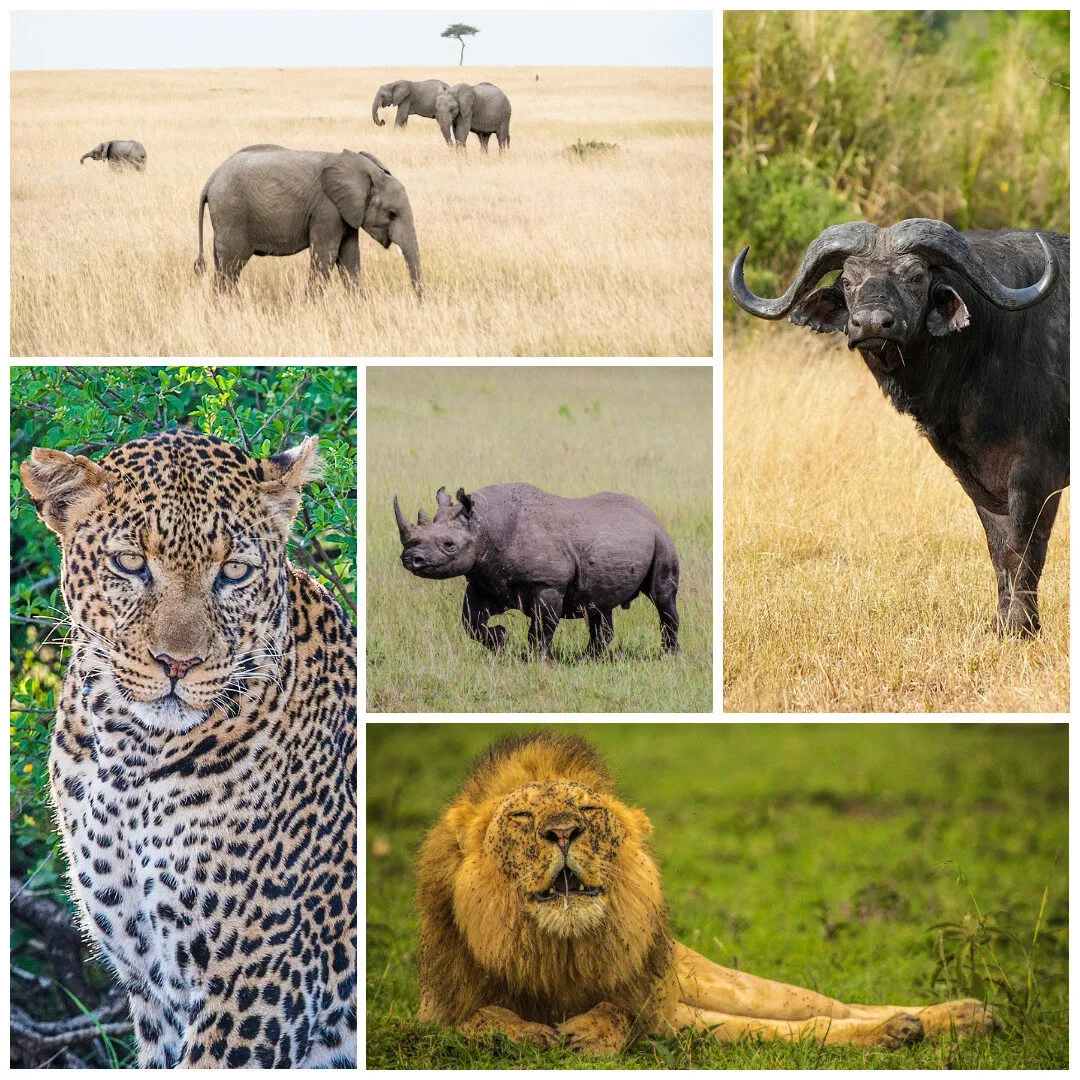
The term Big Five originated with colonial-era hunters who ranked the five most dangerous and difficult animals to pursue on foot — lion, leopard, elephant, Cape buffalo, and rhinoceros. The difficulty of the hunt came not from the size of these animals but from their unpredictability, aggression when wounded, and the dense terrain they often occupied. What began as a hunting classification became, over the twentieth century, the most recognised shorthand for Africa’s flagship wildlife. Kenya houses all five species across multiple parks, making it one of the continent’s most reliable Big Five destinations.
For modern safari-goers the Big Five represent a checklist that organises wildlife expectations and creates a shared vocabulary between travellers and guides. Completing the Big Five in a single trip remains a meaningful achievement. It requires thoughtful park selection and at least six to eight days in the field across multiple habitats. Kenya’s park system distributes the five species in ways that reward careful itinerary planning — no single park guarantees all five with equal reliability, but combining two or three destinations makes a complete sighting highly probable for well-prepared visitors.
Kenya’s Park-by-Park Big Five Distribution
Maasai Mara National Reserve leads Kenya’s Big Five destinations for lion and leopard reliability. Resident populations are so habituated to vehicles that close encounters occur on virtually every game drive. The Mara’s open grassland and riverine forest support all five species but rhino sightings require patience and local guide knowledge since the population remains small following decades of poaching pressure. Amboseli National Park excels for elephants and buffalo against the backdrop of Kilimanjaro, with lion prides that range the open plains and occasional leopard sightings in the fever tree forest around the park’s swamps.
Lake Nakuru National Park and Ol Pejeta Conservancy in Laikipia complete Kenya’s Big Five map by providing the most reliable rhino encounters in the country. Nakuru shelters both white and black rhino in a fenced reserve where sightings are near-certain on a dedicated visit. Ol Pejeta houses the world’s last two northern white rhinos alongside a healthy black rhino population. Combining the Mara or Amboseli with Nakuru or Ol Pejeta within a ten to fourteen-day itinerary creates the strongest Big Five route Kenya can offer.
Species-by-Species Viewing Guide
Lion: Kenya’s Most Iconic Predator
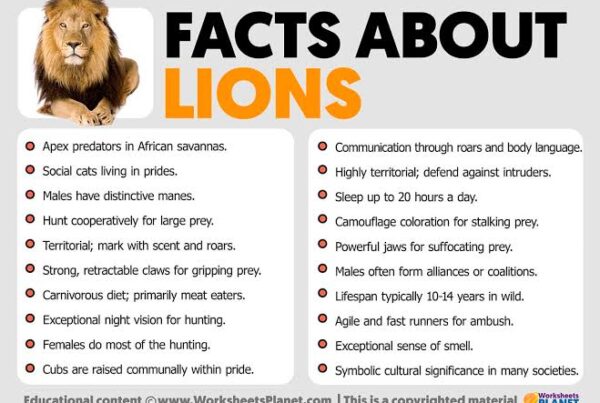
Kenya supports an estimated 2,000 wild lions distributed across multiple national parks and conservancies, representing one of East Africa’s larger and better-managed populations. Maasai Mara prides number among the most studied on earth. Researchers at the Mara Lion Project track dozens of individuals and share data with trained guides who translate this knowledge into reliable sightings for guests. Lions spend most daylight hours resting under acacia trees or on termite mounds. Guides locate them through radio contact with other vehicles, distant vulture activity, and the behavioural reading of prey animals that betray a predator’s presence.
Dawn and dusk game drives produce the best lion viewing because cats become active at temperature margins that suit their hunting. Hot midday temperatures reduce movement and make morning drives far more dynamic than afternoon departures. Amboseli’s open terrain makes tracking a pride’s movements across the day straightforward. The Mara’s mix of long grass and riverine forest creates hunting scenarios where patience and positioning determine whether a guest witnesses a kill or a near-miss.
Leopard: Kenya’s Most Elusive Big Cat
Leopards inhabit every major habitat in Kenya from the Mara’s riverine forest to the semi-arid scrub of Samburu, yet their solitary and nocturnal nature makes them the most challenging Big Five species to see well in daylight hours. Maasai Mara’s riverine thickets along the Talek and Mara rivers shelter resident leopards that guides in private conservancies locate through long-term individual tracking. Knowing which female patrols which stretch of riverbank transforms a chance sighting into a reliable encounter.
The Laikipia Plateau’s open rocky terrain makes leopards easier to spot against the landscape than in dense bush. Early morning drives between 06:30 and 08:30 produce the highest rate of active leopard sightings because cats remain mobile from overnight hunts and have not yet found shade for the day. A hoisted carcass in an acacia or sausage tree marks a leopard’s larder. Guides who locate a cached kill know the cat will return within 24 hours to feed, allowing vehicles to position before the animal arrives. Night drives in private conservancies bordering the Mara offer the strongest chance of seeing leopards hunting in open conditions that daylight rarely provides.
Elephant, Buffalo and Rhino
Kenya shelters approximately 36,000 elephants, the third-largest national population in Africa. Amboseli and Tsavo host the country’s largest concentrations. Amboseli’s families move between the swamps and surrounding plains in daily patterns that experienced guides know by heart, and the park’s treeless terrain means elephant sightings begin within minutes of leaving camp and continue throughout the drive. Tsavo’s red-dust elephants — stained by the park’s distinctive laterite soil — move in larger herds across a wider landscape and reward travellers who add an east-west Tsavo circuit to their Kenya itinerary.
Cape buffalo in Kenya form herds of hundreds on the Mara’s plains during the dry season. Older solitary bulls — known as dagga boys — can be found wallowing in mud pools throughout the year. Buffalo are the most statistically dangerous of the Big Five and guides approach bulls with care, reading body language for signs of agitation before positioning vehicles for photographs. Rhino remain the most challenging of the five to see outside dedicated conservation areas — Lake Nakuru and Ol Pejeta both provide near-certain encounters in fenced environments, with ranger-guided foot tracking available for guests who want to approach on foot under professional supervision.
Practical Tips for Completing the Big Five
How to Maximise Your Big Five Success
Itinerary Strategy and Park Combinations
A ten to fourteen-day itinerary combining Maasai Mara, Amboseli, and either Lake Nakuru or Ol Pejeta delivers the strongest Big Five completion rate of any Kenya route. The Mara handles lion, leopard, elephant, and buffalo with exceptional reliability. Rhino requires the dedicated management environment of Nakuru or Ol Pejeta to guarantee sightings. Internal flights between parks save road hours and deliver guests to each destination fresh and ready for game drives rather than tired from long transfers. Staying a minimum of three nights in each location allows enough morning and evening drives to build up sightings rather than relying on a single lucky encounter.
Dry season travel from June through October reduces vegetation and concentrates animals at water sources across all three parks, raising the sighting rates for every species on the Big Five list. The long grass of the wet season from April through May makes lion and leopard detection significantly harder, though elephant and buffalo remain visible throughout the year. February and March offer an under-rated window when the Mara’s grass is still manageable, lodge rates are lower than peak season, and predator activity remains high ahead of the migration’s arrival.
What to Tell Your Guide Before Each Drive
Telling your guide at the start of each drive which species you most want to focus on that morning makes a significant difference to what you see. Guides who know you prioritise leopard take different routes, drive at different speeds, and use different detection techniques than if they assume you want a general park overview. Requesting dawn departures specifically for big cat viewing and midday waterhole stops for buffalo and elephant allows the guide to structure each day around your priorities.
The most experienced guides read their guests’ enthusiasm and adjust their effort accordingly — showing genuine interest in the animals produces noticeably better sightings. Binoculars transform Big Five viewing from a passive activity into an active one that engages you in detection alongside your guide. A good pair — 8×42 or 10×42 magnification — costs less than a single night’s accommodation but adds more to your safari experience than almost any other equipment decision. Bringing a camera with a telephoto lens of at least 300mm equivalent focal length means sightings at normal safari distances produce detailed photographs rather than distant specks.
Plan Your Safari
Completing the Big Five in Kenya requires park selection, timing, and guide expertise that come together best when planned as a coordinated itinerary. Booking camps with strong reputations for specific species, scheduling internal flights to reduce transfer time, and allocating enough nights at each location to allow multiple game drives all require advance coordination that African Wild Trekkers handles as part of the package design.
The package covers park entrance fees, conservancy levies, rhino tracking permits, accommodation, all game drives, and internal airstrip transfers between destinations. Guide briefings on your specific Big Five targets and preferences are communicated before arrival so that every drive begins with a clear objective rather than a general circuit.
Contact African Wild Trekkers at africanwildtrekkers.com/contact with your travel dates and Big Five priorities and we will design your Kenya safari itinerary within 24 hours.