Understanding Calving Season in Kenya
Why Calving Season Creates Extraordinary Safari Experiences
The Annual Birth Cycle of Kenya’s Wildlife
Kenya’s wildlife synchronises its birth cycles with rainfall patterns and grass growth — an adaptation that evolved over millions of years. Most species time their births so that newborns arrive when grass is green, nutritious, and at the right height to hide vulnerable young from predators. This synchronisation concentrates calving events across specific weeks rather than spreading them evenly through the year. The result creates windows of extraordinary wildlife activity that knowledgeable safari-goers target deliberately.
Watching a newborn take its first steps on the African savanna ranks among the most moving wildlife experiences the continent offers. The strategy of synchronised birth floods the predator population with more prey than they can consume at once, improving the survival odds of individual calves through sheer numbers. This evolutionary logic produces the dramatic calving scenes that draw wildlife photographers and naturalists to Kenya during specific months.
Wildebeest Calving: Kenya’s Most Dramatic Birth Event
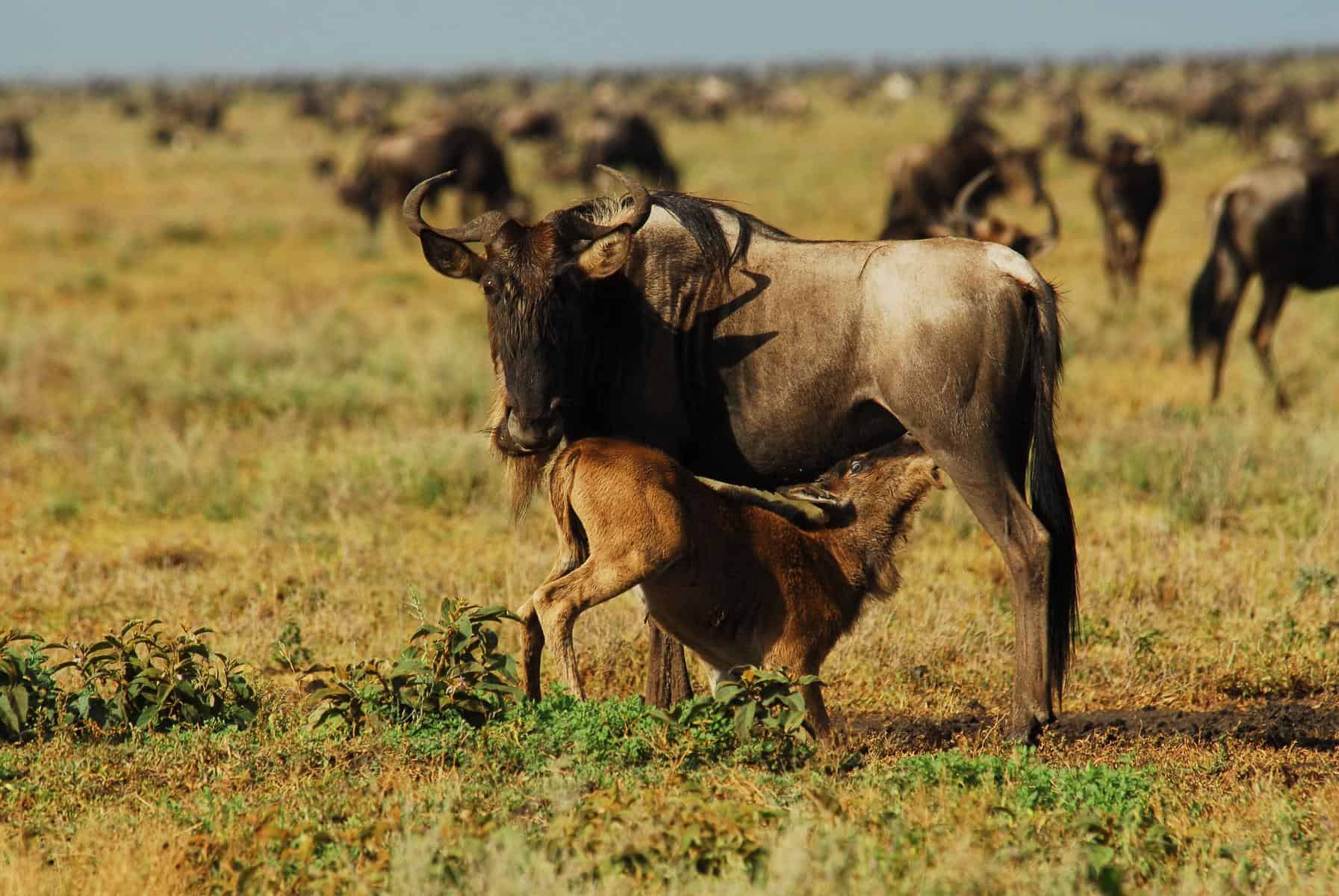
The wildebeest calving season in the broader Serengeti-Mara ecosystem concentrates primarily in Tanzania’s southern Serengeti between late January and March. Spillover calving occurs in Kenya’s Maasai Mara as the herds move north during July and August. The sight of newborn calves attempting their first runs within minutes of birth defines calving season for most safari-goers. Wildebeest calves stand within three minutes and run within five — an extraordinary speed of development driven entirely by predator pressure over millions of years of evolution.
During peak calving periods in the Mara region, cheetahs, lions, and hyenas concentrate around the herds with a focus that produces intense predator-prey interactions throughout the day. Calves that lag behind their mothers fall quickly. The predator activity around calving herds creates some of the most dramatic wildlife photography opportunities in the world. Guides who know the terrain track specific prides and cheetah families to position vehicles where the action unfolds.
Species-by-Species Calving Calendar
Elephants, Zebras and Buffalo
Elephant births in Kenya occur throughout the year with no single peak season, though the post-rain months see slightly higher birth rates as grass and browse quality improves. Elephant calves weigh approximately 120 kilograms at birth and stand roughly one metre tall. They require the assistance of the entire family group to rise and begin nursing in their first hours of life. Watching a matriarch and her daughters surround and support a newborn calf represents one of Kenya’s most intimate elephant encounters.
This occurs most reliably in Amboseli and the Maasai Mara where family groups are large and well-studied. Zebra foals arrive throughout the wet season — primarily from November through January in Kenya — and achieve a striking visual pattern from their first day of life. A zebra foal imprints on its mother’s unique stripe pattern within hours of birth, preventing the calf from following the wrong mare in the confusion of a large herd. Buffalo calves, red-brown at birth in contrast to their parents’ black coats, appear most frequently from March through May following the long rains.
Big Cat Cubs Across Kenya’s Parks
Lion cubs arrive throughout the year but pride births often synchronise so that multiple females raise litters together, sharing nursing duties and protecting cubs collectively. Maasai Mara prides known to researchers by name — the Marsh Pride, the Ridge Pride, and others — produce cubs that guides locate reliably for visitors who request cub-focused drives. Cubs emerge from den sites at approximately three to four weeks of age and begin accompanying the pride on short walks by eight weeks, creating windows for close and relaxed vehicle encounters before they become more mobile and harder to follow. Cheetah cubs in the Mara accompany their mothers from about six weeks and remain with her for sixteen to eighteen months as they learn hunting skills through observation and practice.
Female cheetahs with cubs often den in riverine thickets or tall grass. Guides who maintain contact with individual females offer guests sustained viewing of a mother’s daily routine — hunting, feeding her cubs, and moving between territories. Leopard cubs are more secretive but experienced Laikipia and Mara guides locate mothers with young through knowledge of individual territories built over years of field observation.
Giraffe Calves and Smaller Mammals
Giraffe births occur most frequently between May and August in Kenya and produce calves that stand nearly two metres tall from birth — the tallest newborns of any land mammal. A giraffe calf drops approximately two metres to the ground during birth, a fall that stimulates breathing in the same way a slap does for a human newborn. The calf stands within an hour and nurses almost immediately from a mother who must spread her front legs wide to lower her head to the appropriate height.
Warthog piglets emerge from burrows in groups of two to four during the rainy season and follow their mothers in single file, tails erect, across the grassland in a procession that delights every safari-goer who witnesses it. Impala lambs arrive in extraordinary numbers during November and December in a synchronised drop that floods the savanna with vulnerable young and drives frenzied predator activity. Hippo calves appear in riverside pools year-round and ride on their mothers’ backs in the water — an endearing behaviour that provides close and reliable viewing at any time of year in the Mara’s river pools.
Best Parks for Calving Season Viewing
Where to Go for the Best Birth Experiences
Maasai Mara and Amboseli
Maasai Mara National Reserve and its surrounding conservancies offer Kenya’s most diverse calving experiences across multiple species throughout the year. The conservancy areas allow off-road driving and extended time with specific animals, which makes following a cheetah mother with cubs or locating a lion pride’s den site far more practical than in the national reserve proper. Guides in Mara North Conservancy and Ol Kinyei Conservancy maintain detailed knowledge of individual animals. This knowledge translates directly into better cub and calf sightings for guests who request these experiences explicitly. Amboseli National Park delivers elephant calf sightings that rival anywhere in Africa.
The park’s open landscape makes families easy to find and the population density remains high. The Amboseli elephant families are the most thoroughly studied on earth — decades of research reveal individual life histories, family relationships, and birth records that guides share with guests during drives. A morning following a family group with a newborn calf against the backdrop of Kilimanjaro’s snow-capped peak produces photographs and memories that no other Kenyan destination can replicate.
Laikipia and Samburu
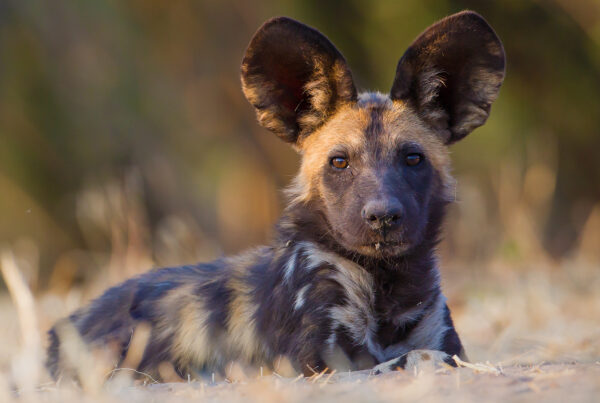
Laikipia Plateau’s private conservancies support healthy populations of endangered species including Grevy’s zebra, African wild dogs, and reticulated giraffe. Calving seasons for these rare animals create wildlife experiences unavailable elsewhere in Kenya. Grevy’s zebra foals carry a striking pattern distinct from the common plains zebra and appear most frequently during November to January following the short rains. Wild dog pups emerge from dens in May and June. The pack’s socialisation of young dogs — food sharing, play fighting, and cooperative care — produces some of the most compelling mammal behaviour viewing in East Africa.
Samburu National Reserve supports the Samburu Special Five species that breed on different cycles from the southern savanna species. The dry northern climate means calving windows here often differ from the Mara by several months, creating complementary timing for travellers combining both destinations in a single Kenya itinerary. Samburu’s open riverine habitat along the Ewaso Ng’iro River concentrates wildlife and makes young animals of all species easier to locate than in the denser bush of other northern parks.
Plan Your Safari
Timing a calving season safari requires accurate knowledge of current conditions, species-specific birth windows, and camp availability during the periods when activity peaks. The calendar shifts slightly each year depending on rainfall timing, and operators monitoring conditions on the ground know which parks produce the most calf and cub sightings in any given month. African Wild Trekkers tracks these patterns continuously and advises guests on the best timing for their target species before bookings are confirmed.
The package covers accommodation in camps close to the calving action, guiding by naturalists who specialise in tracking mothers with young, park fees, and internal transfers between multiple parks if your itinerary spans the Mara, Amboseli, and Laikipia. Requests for dawn departures and extended drives during active calving periods are accommodated within the package so no additional costs arise in the field.
Contact African Wild Trekkers at africanwildtrekkers.com/contact with your travel dates and preferred species and we will design your calving season itinerary within 24 hours.