Matthews Range Kenya: East Africa’s Most Remote Mountain Wilderness
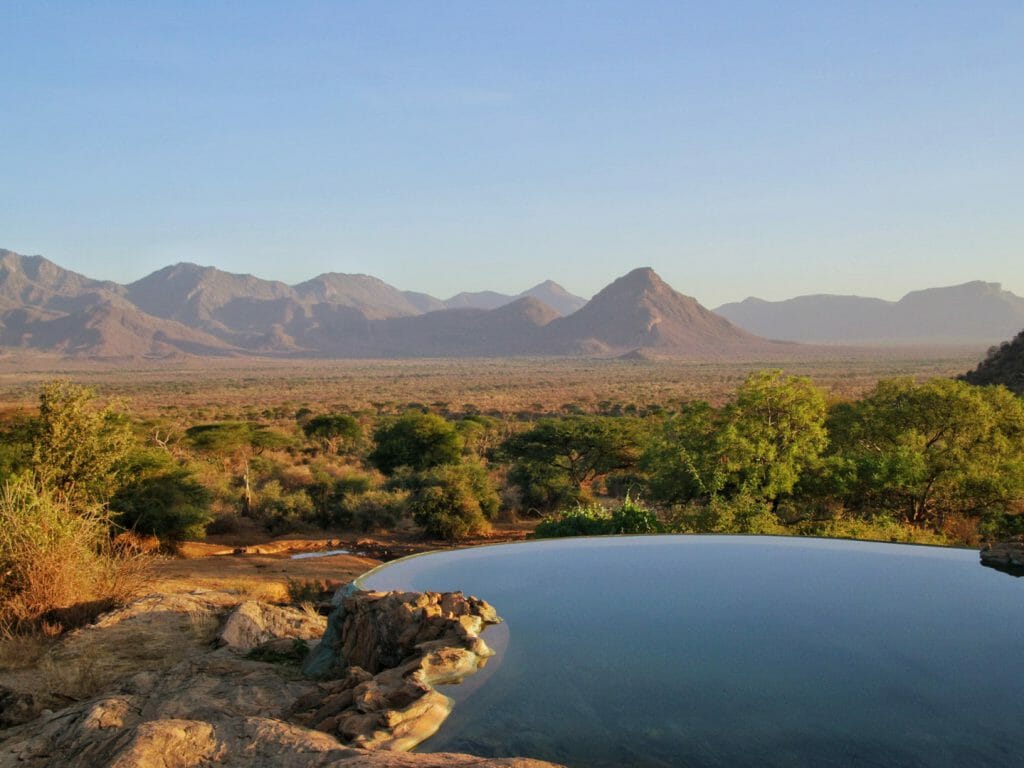
Matthews Range Kenya is one of the country’s most isolated and pristine wilderness destinations. Rising to 2,688 metres, this remote massif north of Samburu covers 160,000 hectares of montane forest, bamboo thickets, and highland grasslands. The Samburu community manages the region through the Namunyak Wildlife Conservancy, which protects its wildlife and natural habitats. With no public lodges inside the range, visitors arrive by charter flight or road and require community conservancy permits before entering this remarkable landscape.
Fewer than 200 visitors explore the Matthews Range each year, making it one of East Africa’s least-visited safari destinations. The mountains support elephants, greater kudu, buffalo, lions, leopards, and black-and-white colobus monkeys. Meanwhile, community-funded ranger patrols monitor wildlife, prevent poaching, and protect the forest every day. Over the past two decades, these conservation efforts have helped elephant and greater kudu populations recover, demonstrating the long-term success of the Namunyak community conservation model.
Wildlife in Matthews Range Kenya
Elephant Encounters
The Matthews Range supports one of northern Kenya’s most important elephant populations. These elephants belong to the larger Samburu-Laikipia ecosystem, which holds more than 8,000 animals. Many spend their days inside dense mountain forests where vehicles cannot easily reach them. Consequently, walking safaris and camel treks provide exceptional opportunities to observe elephants at close range. Hearing branches crack and deep breathing before spotting an elephant creates one of Kenya’s most thrilling wildlife experiences.
Elephant families climb into the forests for shade, minerals, and fresh browse before descending to the surrounding plains after dark. Early morning game drives often intercept them returning to the mountains as the sun rises. Community rangers recognise many family groups across several generations and carefully record their movements. Furthermore, researchers use this information to study elephant behaviour while guests gain valuable insights into the conservancy’s successful conservation programme.
Greater Kudu
The Matthews Range is widely regarded as northern Kenya’s finest destination for greater kudu. These elegant antelope inhabit rocky hillsides and dense commiphora woodland throughout the conservancy. Mature bulls carry spectacular spiral horns that complete more than two full turns, making them among East Africa’s most impressive antelope. Walking safaris usually begin at dawn because greater kudu become most active while moving between sheltered slopes and nearby grazing areas.
Female greater kudu lack horns and blend easily into the surrounding vegetation, making them much harder to detect. However, the slow pace of a camel safari allows guides to spot family groups before they disappear into the bush. Low hunting pressure and strong community protection have supported a healthy kudu population for many years. As a result, visitors regularly enjoy excellent sightings throughout the conservancy.
Safari Experiences in Matthews Range Kenya
Walking Safaris
Walking safaris form the heart of every Matthews Range adventure. Trails begin in lowland commiphora woodland before climbing through cedar and podocarpus forests into open highland grasslands. Most walks cover between eight and fifteen kilometres each day with overnight camps at different elevations. Above 2,000 metres, sweeping views stretch across northern Kenya toward Marsabit on clear mornings. Watching mist drift beneath the mountains creates an unforgettable wilderness experience.
The forests also support healthy populations of black-and-white colobus monkeys, olive baboons, Syke’s monkeys, and greater kudu. Bird enthusiasts can search for several highland specialities, including Hartlaub’s turaco, Abyssinian slaty flycatcher, and African hill babbler. Therefore, the Matthews Range appeals equally to wildlife photographers, birdwatchers, and adventurous walkers seeking a quieter safari destination.
Where to Stay
Sarara Camp serves as the region’s leading safari lodge. This intimate four-tent camp overlooks the dramatic escarpment and offers guided walks, camel safaris, and night game drives. Every guide and staff member comes from nearby Samburu communities, ensuring visitors enjoy authentic local knowledge. Desert Rose Lodge provides another excellent access point from northern Samburu. Both properties contribute directly to community conservation by supporting ranger patrols and local development projects.
Visitors usually reach the conservancy by charter flight from Nairobi’s Wilson Airport in about 90 minutes. Although road access from Samburu remains possible, the journey takes five to six hours across rough tracks. Consequently, most travellers choose to fly and combine a three- or four-night stay at Sarara Camp with a safari in Samburu National Reserve. Together, these destinations create an outstanding week-long northern Kenya itinerary.
Plan Your Safari
Stay for at least three or four nights to experience the full range of walking safaris across different forest elevations. Charter flights from Nairobi or Samburu provide the fastest and most comfortable access to the conservancy. For an even richer itinerary, combine the Matthews Range with game drives in Samburu National Reserve and nearby Laikipia conservancies.
African Wild Trekkers designs customised Matthews Range safari itineraries that combine Sarara Camp, Samburu National Reserve, and Laikipia conservancies. We arrange charter flights, book experienced community guides, and create personalised northern Kenya adventures that showcase one of Africa’s last truly remote mountain wilderness areas.
Contact African Wild Trekkers to visit Matthews Range Kenya. We respond within 24 hours and design northern Kenya safari programmes that access the most remote elephant and greater kudu wilderness in East Africa.