Mountain Gorilla Population 2026: East Africa’s Conservation Success Story
The Current Mountain Gorilla Population in East Africa
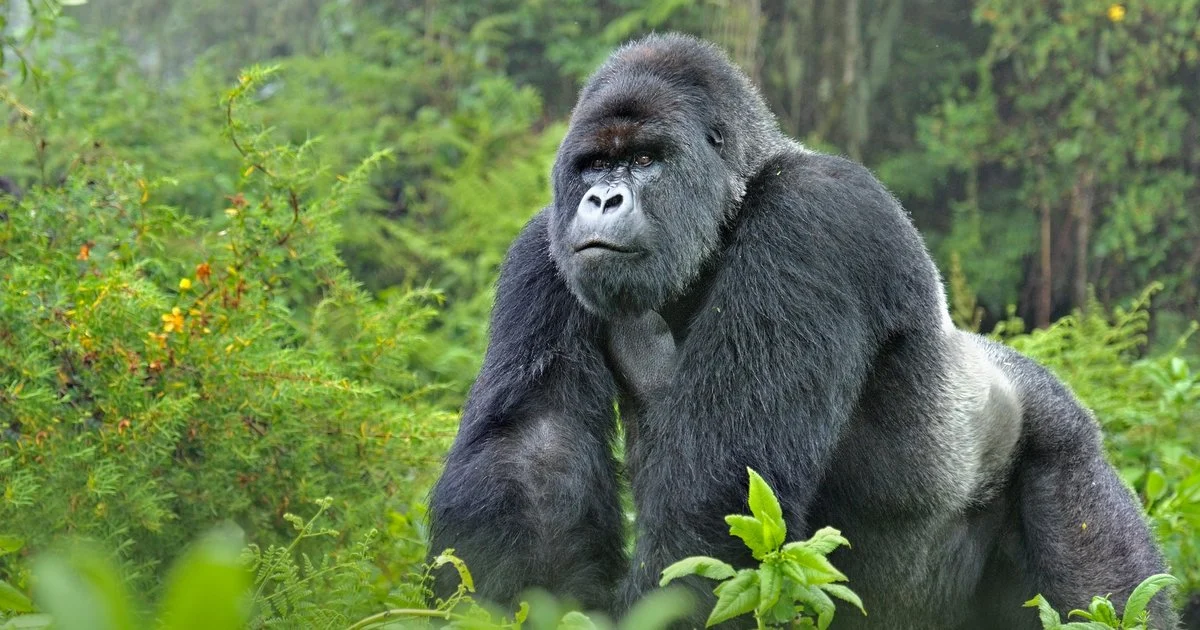
Mountain gorillas are among the world’s most endangered great apes. They survive only in the forests of Uganda, Rwanda, and the Democratic Republic of Congo. By 2026, conservation efforts continue to show positive results, with the population remaining above 1,000 individuals in the wild.
The latest widely accepted estimates place the mountain gorilla population at around 1,063 individuals. Some recent conservation reports suggest the population has passed 1,100 as new births and ongoing monitoring continue.
These numbers represent one of the greatest wildlife conservation achievements in Africa. Decades ago, mountain gorillas faced a serious risk of extinction. Today, stronger protection, research, and responsible tourism have helped their numbers recover.
Where Do Mountain Gorillas Live in East Africa?
Mountain gorillas live in two main forest ecosystems. The first is the Virunga Massif, which covers parts of Rwanda, Uganda, and the Democratic Republic of Congo. The second is the Bwindi-Sarambwe ecosystem, located in Uganda and the Democratic Republic of Congo.
Uganda is home to mountain gorillas in Bwindi Impenetrable National Park and Mgahinga Gorilla National Park. The Bwindi population was estimated at 459 individuals during the 2018 census, while the Virunga Massif recorded 604 individuals in the latest census.
Mountain Gorilla Population by Country
Uganda
Uganda hosts one of the largest mountain gorilla populations. Most live in Bwindi Impenetrable National Park, a UNESCO World Heritage Site known for its dense rainforest and diverse wildlife. The country also protects gorillas in Mgahinga Gorilla National Park, part of the larger Virunga conservation landscape.
Rwanda
Rwanda protects mountain gorillas in Volcanoes National Park. The park forms part of the Virunga Massif and provides habitat for several habituated gorilla families available for trekking experiences. Conservation programs in Rwanda focus on habitat protection, scientific research, and community involvement.
Democratic Republic of Congo
The Democratic Republic of Congo protects mountain gorillas in Virunga National Park. The park is one of Africa’s oldest protected areas and plays an important role in mountain gorilla conservation.
Why Are Mountain Gorilla Numbers Increasing?
The growth of mountain gorilla numbers shows the importance of long-term conservation. Governments, conservation organizations, researchers, and local communities have worked together to protect these animals.
Gorilla trekking tourism has also contributed to conservation funding. Revenue from tourism supports forest protection, ranger programs, and community projects around gorilla habitats.
Challenges Facing Mountain Gorillas
Despite progress, mountain gorillas still face several challenges. Habitat loss, human pressure, diseases, and climate change continue to threaten their survival. Because gorillas share close genetic similarities with humans, they can easily contract human illnesses. Strict trekking guidelines help reduce health risks and protect both visitors and gorillas.
The Importance of Gorilla Trekking in Conservation
Gorilla trekking offers travelers a rare opportunity to observe these incredible animals in their natural environment. It also creates direct support for conservation efforts.
Responsible tourism helps communities benefit from protecting forests instead of depending on activities that damage gorilla habitats.
A Hopeful Future for Mountain Gorillas
The mountain gorilla recovery story gives hope for endangered species worldwide. The increase from critically low numbers to more than 1,000 individuals shows what conservation can achieve.
Protecting forests and supporting local communities remain essential for the future of these gentle giants.
Plan Your Mountain Gorilla Experience in East Africa
Planning a mountain gorilla trekking adventure in Uganda, Rwanda, or Congo offers more than wildlife viewing. It provides a chance to witness a remarkable conservation success story.
Standing near a silverback gorilla in the misty forests of East Africa is an experience that creates lifelong memories while supporting the survival of one of the planet’s most treasured animals.