Gorilla Night Behaviour Rwanda Uganda: What Mountain Gorillas Do After Dark
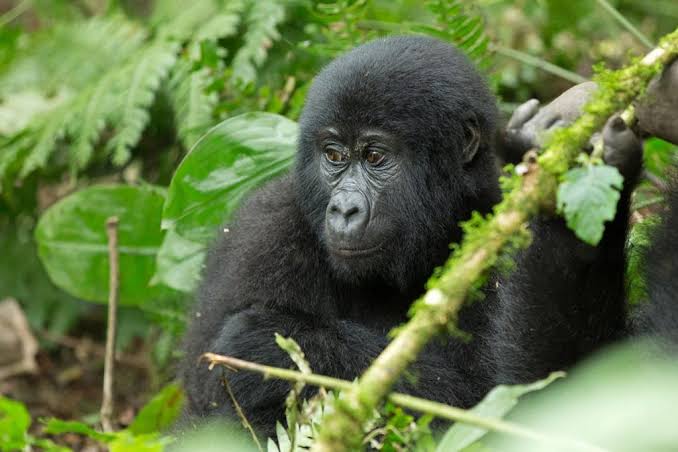
Standard gorilla trekking gives visitors one hour with a habituated family group. This hour typically falls in the mid-morning when the gorillas are feeding, resting, or moving between feeding areas. It does not reveal how the day ends, how the group settles for the night, or how the silverback organises sleeping arrangements. Research into mountain gorilla nocturnal behaviour fills this gap entirely. Understanding what happens after the trackers and tourists leave for camp adds significant depth to any gorilla trekking experience. The research teams in Bwindi and Volcanoes have been reading this 24-hour life for 40 years. Their findings transform the one-hour daytime observation from an isolated episode into a chapter in a continuous, detailed daily story.
Nest Building: The Gorilla’s Nightly Construction
Mountain gorillas build a fresh nest every night. Each individual constructs its own sleeping platform from nearby vegetation. Bent branches, folded leaves, and grass accumulate into a bowl-shaped structure deep enough to hold the gorilla’s body off the cold ground. Nest building takes 3 to 5 minutes for an adult gorilla. Infants share their mother’s nest until they are 3 to 4 years old. After that age, they begin building their own small nests adjacent to the mother’s. The silverback builds the largest nest — usually on the ground or on the lowest, strongest branch. Younger males and females build in lower vegetation around and above the silverback. This vertical arrangement mirrors the social hierarchy of the group’s daily organisation.
Night Sounds and Silverback Protection
The silverback does not fully sleep during the night. Research observations using audio monitoring have recorded the silverback making soft vocalisations at intervals throughout the dark hours. These appear to be checking sounds that elicit confirming responses from other group members. Any disturbance near the sleeping cluster triggers an immediate response. An unusual sound, an unfamiliar scent on the night wind, or movement in the surrounding vegetation any of these cause the silverback to react. He produces a short, sharp chest beat series that startles the source of the disturbance. If the disturbance persists, he moves toward it. His protective role continues through the night with the same vigilance it carries through the day.
Research Access and Nocturnal Studies
Researchers working with the Dian Fossey Gorilla Fund and the Institute of Tropical Forest Conservation conduct long-term gorilla behavioural studies. These include nocturnal monitoring at specific habituated groups. Visitors cannot join nocturnal research sessions the disturbance risk to the gorillas is too high. However, morning visits to the previous night’s nest site are possible. Trackers locate the nest cluster after the group moves off each morning. These visits provide direct physical evidence of the night’s behaviour. The nest’s size, material, and condition reveal the individual’s age, weight, and sleeping posture. Furthermore, shed hairs in the nest provide DNA identification material for the ongoing research programme.
Plan Your Safari
Understanding gorilla nocturnal behaviour enhances the standard one-hour trekking permit experience. Request a tracker-led nest site visit after the morning trekking session. These visits add 30 to 60 minutes to the morning activity and require no additional permit. The trackers identify the specific night’s nest cluster by following the group’s trail from the previous evening’s last observation point. Both Uganda’s Bwindi Impenetrable Forest and Rwanda’s Volcanoes National Park trackers conduct these morning nest site visits as a standard research support activity that visitor groups can join.
African Wild Trekkers builds Bwindi and Volcanoes gorilla trekking itineraries with nest site visits and research camp access included. Contact us to plan a gorilla safari that goes beyond the single tracking hour and into the full depth of mountain gorilla ecology and behaviour.