How Long Do Gorillas Live? Understanding Gorilla Lifespan in the Wild
Discover the Lifespan of Gorillas
Gorillas are among the most fascinating animals on Earth. These intelligent great apes share many similarities with humans, including strong family bonds, emotions, and social behaviors. One common question among wildlife lovers is, how long do gorillas live?
Gorillas usually live between 35 and 40 years in the wild. However, some individuals can live longer when they receive proper care in protected environments. Gorillas living in zoos and sanctuaries may reach their 50s because they have access to regular veterinary care, safe habitats, and a steady food supply.
How Long Do Mountain Gorillas Live?
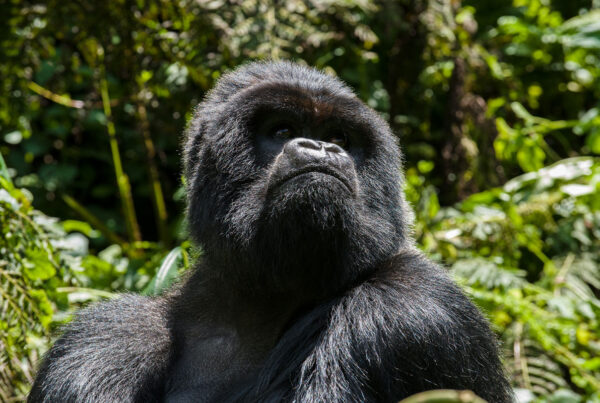
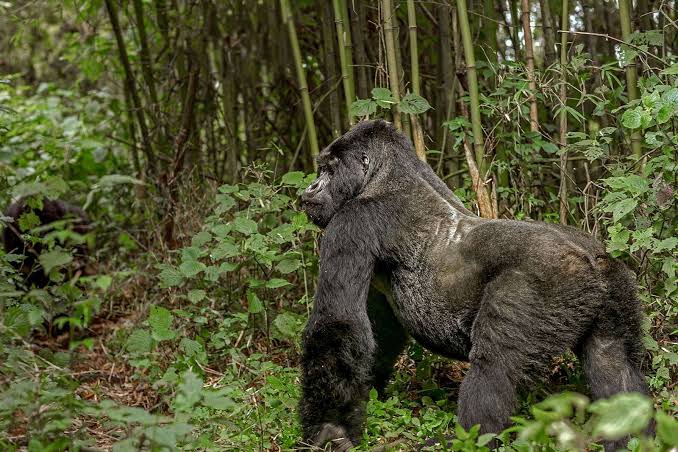
Mountain gorillas, found in Uganda, Rwanda, and the Democratic Republic of Congo, have an average lifespan of about 35 to 40 years in the wild.
Their lifespan depends on several factors, including access to food, habitat conditions, health, and protection from threats. Conservation efforts have helped improve the survival chances of mountain gorillas by protecting their forest homes and reducing human-related risks.
Life Stages of a Gorilla
A gorilla’s life follows different stages, similar to humans. Newborn gorillas depend completely on their mothers for protection and care. Mothers carry their babies for several months and continue supporting them as they learn important survival skills.
Young gorillas spend much of their time playing and exploring. Through play, they develop strength, communication skills, and social behaviors needed for adulthood.
As gorillas mature, males may become silverbacks. The silver hair on their back shows maturity and often appears when males reach around 12 to 15 years old.
Factors That Affect Gorilla Lifespan
Several factors influence how long gorillas live. A healthy environment with enough food and safe shelter increases their chances of survival.
Disease is one of the biggest threats facing gorillas. Because gorillas share much of their DNA with humans, they can catch some human illnesses. This is why visitors during gorilla trekking must follow strict health guidelines.
Habitat loss also affects gorilla survival. Forest destruction reduces available food and creates pressure on gorilla populations. Protecting forests remains essential for their future.
How Do Gorillas Survive in the Wild?
Gorillas have developed strong survival skills that help them live in forest environments. They travel in family groups, which provide protection and social support.
A dominant silverback protects the group from danger and guides them to feeding areas. Female gorillas support the family by caring for young ones and maintaining social relationships.
Their peaceful lifestyle and strong family bonds help them survive in challenging environments.
Oldest Known Gorillas
Some gorillas in human care have lived beyond 50 years. These long lifespans are possible because they receive specialized diets, medical attention, and protection from natural dangers. In the wild, reaching old age is more difficult because gorillas face challenges such as disease, injuries, and environmental changes.
Why Gorilla Conservation Matters
Protecting gorillas is important because they are endangered animals with slow reproduction rates. A female gorilla usually gives birth to one infant after several years, making population recovery a slow process.
Conservation programs in Uganda, Rwanda, and Congo focus on protecting habitats, supporting communities, and monitoring gorilla families. Responsible gorilla tourism also contributes to conservation by providing funding for forest protection and wildlife programs.
Plan Your Gorilla Trekking Experience
Planning to see a gorilla in the wild is a rare and unforgettable experience. Watching a silverback protect its family or observing young gorillas play in the forest reveals the beauty of their social world.
A gorilla trekking adventure in East Africa offers more than wildlife viewing. It provides a chance to connect with one of the planet’s most remarkable species while supporting their protection for future generations.