How to Pack Light for Safari: Carry-On Only Tips for Bush Travel
Packing for an African safari does not require a large suitcase. With careful planning, you can travel with carry-on luggage only. Light packing makes transfers easier and reduces stress during bush travel. It also works well for travelers who use small aircraft between safari destinations.
The key to light packing lies in choosing versatile clothing. Select lightweight items that you can wear in different combinations. Neutral colours such as khaki, beige, olive, brown, and grey work well in the bush. These colours blend into the natural environment and suit most safari activities.
Choose Lightweight Safari Clothing
Pack clothes that dry quickly and take little space. Lightweight trousers, shirts, T-shirts, and long-sleeved tops provide practical options for game drives and walks. Long sleeves also protect your skin from the sun and insects. Choose breathable fabrics that remain comfortable during warm days.
Pack a light fleece or jacket for cool mornings and evenings. Temperatures can change quickly in some safari regions. You do not need several heavy layers. One warm layer can usually cover most cool-weather situations.
Avoid packing clothes for every possible occasion. Most safari lodges have a relaxed dress code. You can wear the same comfortable clothes during game drives, meals, and lodge activities. A simple combination of trousers, shirts, and one warm layer can cover most of your trip.
Limit Your Shoes
Shoes often take more space than expected. Pack one comfortable pair of walking shoes or trainers for most safari activities. Choose footwear that you can wear during game drives and nature walks.
Add a pair of lightweight sandals or flip-flops for use around the lodge. You rarely need several pairs of shoes. Avoid heavy boots unless your specific safari includes demanding hikes or mountain trekking.
Use Packing Cubes
Packing cubes help you organize a small bag efficiently. Use separate cubes for clothing, underwear, and accessories. They also make it easier to find items without unpacking everything.
Roll lightweight clothes instead of folding them. Rolled clothing often uses space efficiently and reduces large gaps inside your bag. Keep frequently used items near the top for easy access.
Pack Essential Toiletries Only
Toiletries can quickly fill a carry-on bag. Take travel-size containers for shampoo, body wash, sunscreen, and other personal products. Many safari lodges provide basic toiletries, so check before you pack.
Prioritize sunscreen, insect repellent, lip balm, and personal medication. These items often matter more than extra cosmetics or grooming products. Keep liquids within the airline’s current carry-on limits.
Carry the Right Safari Accessories
A few small accessories can make your safari much easier. Pack sunglasses, a wide-brimmed hat, a reusable water bottle, and a small flashlight. A compact pair of binoculars can greatly improve wildlife viewing.
Bring a lightweight daypack for game drives and walks. Use it for your camera, water, sunscreen, and other essentials. Avoid large backpacks that add unnecessary weight.
Pack Electronics Carefully
You do not need many electronic devices on safari. A smartphone can handle communication, navigation, photography, and entertainment. If you carry a camera, choose a compact setup that matches your photography needs.
Pack spare batteries, charging cables, and memory cards in one small pouch. A power bank can help during long travel days. Some remote camps use limited electricity, so keeping your devices charged requires planning.
Consider Laundry
Laundry can reduce the amount of clothing you need. Many safari lodges offer laundry services during longer stays. Some camps can also wash small items by hand.
Pack enough clothes for several days rather than your entire trip. You can wash and reuse lightweight items. This approach works especially well on longer safaris.
Protect Your Important Documents
Keep your passport, travel insurance details, vaccination records, and other essential documents in a secure travel wallet. Carry digital copies as backups. Keep important documents with you rather than placing them in checked luggage.
You should also keep medication in your carry-on. Bring enough prescription medicine for the entire journey. Carry the original packaging when possible.
Follow Small Aircraft Baggage Rules
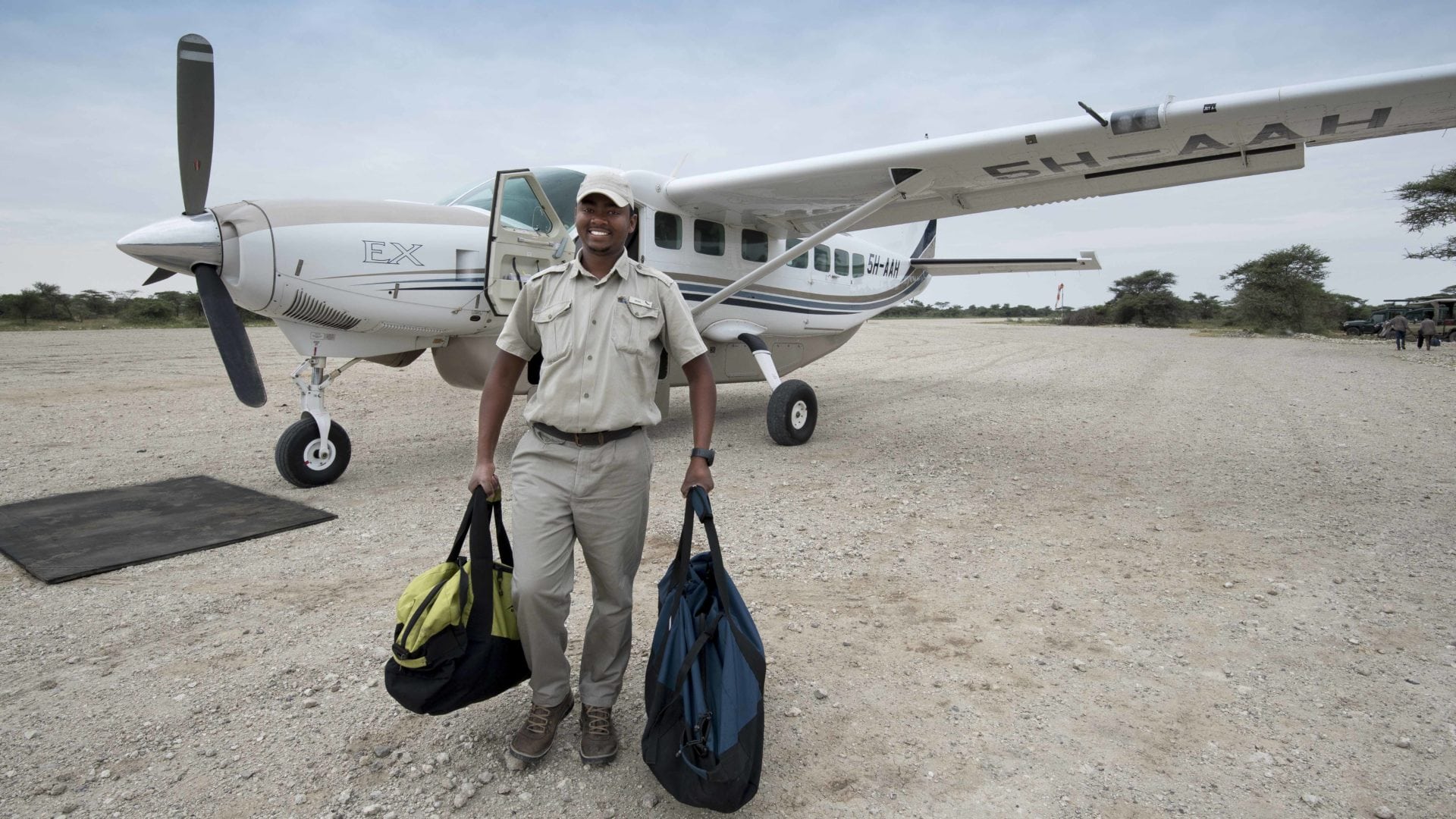
Domestic safari flights often use small aircraft. These flights may have stricter baggage limits than international airlines. Some operators also require soft-sided bags instead of hard suitcases.
Check your safari flight baggage allowance before departure. Confirm the maximum weight and bag dimensions with your operator. Following these limits can prevent delays and additional charges.
What Not to Pack
Avoid heavy clothing, unnecessary electronics, and multiple pairs of shoes. You also do not need formal outfits for most safari lodges. Large toiletry bottles can take up valuable space.
Do not pack more clothes simply because you have extra room. Extra weight becomes inconvenient during road transfers and small aircraft flights. A lighter bag usually makes the entire journey easier.
Plan Your Safari
Carry-on-only safari travel works best when you pack for practicality. Choose versatile clothing, limit your shoes, and carry only essential equipment. Use packing cubes and plan for laundry during longer trips.
Always check the baggage rules for your specific safari flights. Requirements can vary between operators and aircraft. With thoughtful preparation, you can enjoy a comfortable safari without carrying a heavy suitcase.
Light packing gives you greater freedom during bush travel. It makes transfers easier and keeps your focus on the wildlife, landscapes, and experiences ahe