Flying vs Driving Between Safari Parks: When Each Option Makes Sense
The Choice That Shapes Your Entire Safari Itinerary
The decision between flying and driving for inter-park transfers in Africa affects cost, pace, destination accessibility, and overall experience. Most travelers do not fully appreciate this when planning their first African trip. The correct answer is rarely a categorical preference for one mode over the other. It requires a contextual assessment of journey distances, road quality, luggage volumes, time constraints, budget. And whether the overland journey itself has experiential value worth keeping. Understanding when flying saves a trip. And when driving would have delivered a better experience. Is the planning knowledge that separates a well-designed itinerary from one that either wastes money on avoidable bush flights or condemns travelers to six-hour road journeys that could have been thirty-minute flights.
The context that matters most is the relationship between journey time and in-destination wildlife time. Every hour in transit is an hour not spent watching wildlife. The opportunity cost is highest in peak season when conditions are most productive and the schedule is already compressed. A thirty-minute bush flight replacing a six-hour road journey returns five and a half hours of wildlife time to your itinerary. That is almost one additional full safari day at no additional time cost beyond the flight itself. This arithmetic makes the bush flight self-evidently worthwhile in many contexts. The counterargument is that the overland journey itself may pass through genuinely interesting landscapes and communities. Road journeys provide a different and valuable perspective on African geography that bush flights entirely skip. And the cost difference — several hundred dollars per person for each bush flight — accumulates across a multi-destination itinerary. That amount could represent meaningful additional accommodation nights if redirected to ground travel instead.
When Flying Is the Right Choice
Distances and Destinations That Make Flying Essential
Remote Destinations Accessible Only by Air
Botswana’s Okavango Delta is the most compelling example of a destination where flying is not simply preferable but the only practical option for most travelers. Each camp in the delta’s flood plain system sits on an island accessible only by light aircraft or mokoro canoe. There are no road connections to other camps or to the surrounding mainland infrastructure. The forty-five minute flight from Maun to the delta camp’s grass airstrip is a fundamental structural requirement of the experience. It is not a luxury alternative to driving. The cost of the flight embeds itself in the total cost of an Okavango Delta experience regardless of how it appears on the booking invoice. The same structural necessity applies to most of Zambia’s premier remote camps in the Liuwa Plain, the Lower Zambezi Valley, and Kafue National Park’s northern reaches. Road connections exist technically — but journey times of eight to twelve hours on tracks that remain passable only in dry season represent genuine physical attrition that significantly compromises the safari experience that follows.
East Africa’s bush flight network between Nairobi and Tanzania’s northern circuit safari parks is the most heavily used scheduled bush flight network on the continent. It carries tens of thousands of safari travelers per year on Cessna Caravan and similar light aircraft operated by Coastal Aviation, Auric Air, and Safarilink. The journey from Arusha to Seronera in the central Serengeti by road takes approximately seven hours through populated agricultural areas with no wildlife viewing value. The same journey by bush aircraft takes forty-five minutes and arrives at the park’s central airstrip surrounded by wildlife. For travelers with a ten to fourteen day itinerary where every hour counts, the bush flight is obviously superior. The cost — typically $150 to $350 per person per leg depending on the route and season — represents a relatively modest premium relative to the total cost of a quality Serengeti safari experience.
When Flying Saves Crucial Time on Short Itineraries
Short itineraries of five to eight days are where the flying-versus-driving decision has the most pronounced impact on experience quality. The proportional cost of a long road transfer to total available safari time is highest when the total time is smallest. A five-day Kenya safari that includes a four-hour road transfer from Nairobi to the Masai Mara and a four-hour return uses two of its five days in a transit vehicle. Not a game drive vehicle viewing wildlife. A road transfer vehicle driving through cultivated land and small towns on the A104 highway. The same five days with a forty-five minute Safarilink flight from Wilson Airport to the Mara’s Ol Kiombo or Keekorok airstrips dedicates all five days to actual safari activities. That represents a 40 percent increase in productive wildlife time. The flight costs approximately $150 to $200 per person each way. At this return on investment, the flight cost is the best value-per-wildlife-hour expenditure in the entire itinerary. Arguing for the road transfer on grounds of cost savings makes sense only if the itinerary is long enough that the lost transfer time does not significantly reduce the total wildlife experience.
The bush flight experience itself adds a dimension to the safari that many travelers find unexpectedly rewarding. The view of African landscapes from 500 to 1,000 meters altitude in a small aircraft provides geographic comprehension of the ecosystem’s scale, drainage patterns, vegetation zonation, and human settlement interface. No ground-level perspective delivers this. Flying into the Serengeti’s Seronera Valley in a Cessna and spotting the first wildebeest herds from the air. Thousands of animals visible simultaneously. Reveals the scale of the migration more comprehensively than any individual ground-level sighting can. This creates a specific entry experience that sets the tone for the safari with an immediate sense of ecological scale. This bonus value of the flight experience reinforces the time-saving argument. It makes the bush flight the clearly superior choice for short itineraries connecting well-separated destinations across East and Central Africa’s premier safari circuit.
When Driving Is the Better Choice
Distances and Contexts Where Overland Travel Wins
Self-Drive Destinations and the Value of the Journey
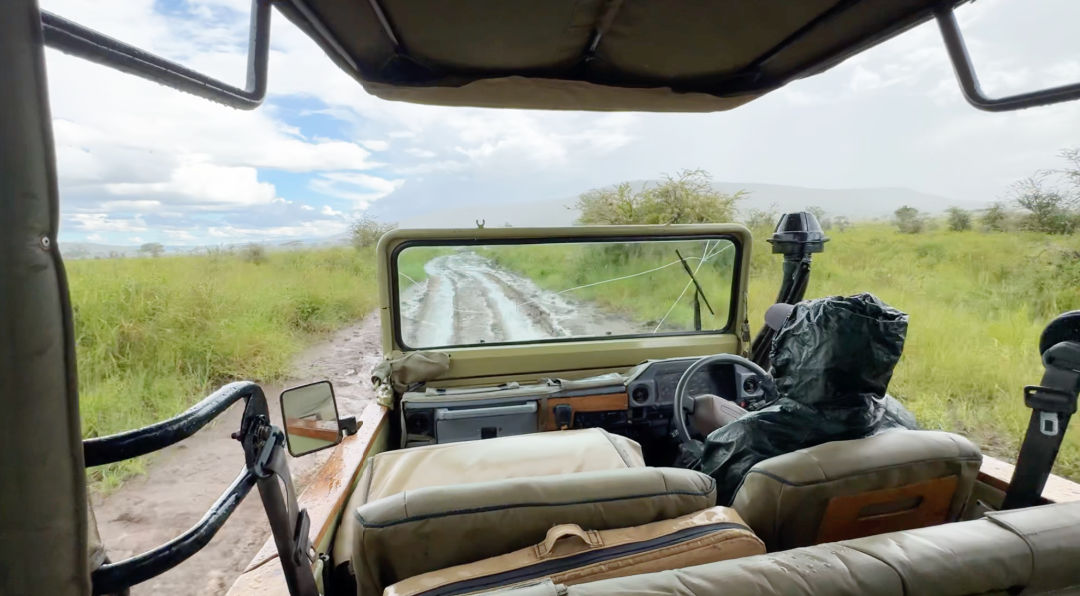
South Africa’s road network and self-drive safari infrastructure make overland travel between destinations frequently the superior choice. For both experiential and financial reasons. The drive from Johannesburg to Kruger National Park’s Phabeni Gate through the Magoebaskloof Pass passes through landscapes of genuine diversity and beauty. The drive from Cape Town through the Garden Route to the Eastern Cape game reserves does the same. These journeys form part of the South African experience rather than simply connective tissue between destinations. The cost difference between chartering an aircraft from Johannesburg to a Kruger airstrip. Typically R8,000 to R15,000 per person. And driving the same journey in a hire car. Approximately R400 in fuel and R300 per day in vehicle rental — pays for two additional nights at a quality rest camp chalet. This dramatically changes the value equation in favor of road travel for travelers with adequate time. Namibia’s entire self-drive circuit rests on the premise that overland travel is the experience rather than a compromise. The red gravel roads between Sossusvlei, Damaraland, and Etosha pass through landscapes that many travelers describe as among the most beautiful they have encountered anywhere.
Game drives that incorporate driving between destinations within a park provide extended wildlife viewing time along park roads that bush flights entirely miss. Driving between Satara and Olifants rest camps in Kruger along the S100 road. A journey of approximately two hours through one of the park’s most wildlife-rich corridors. Produces a continuous game drive experience of high quality. It is not a transit interlude. Similarly, driving between lodges in Tanzania’s northern circuit along the park roads passes through wildlife habitat at ground level throughout the journey. The possibility of encountering wildlife that airport-to-airport bush flights entirely bypass remains constant. For travelers who specifically value continuous immersion in wildlife habitat throughout their travel day, this extended ground-level wildlife exposure has genuine value that the flight alternative sacrifices.
Plan Your Safari
African Wild Trekkers designs every multi-destination itinerary with a specific assessment of whether flying or driving is the optimal choice for each individual inter-park transfer. We base this on journey distance and time, the quality and interest level of the overland route, the available budget, the itinerary’s total duration, and the traveler’s specific priorities. We never default to flying simply because it produces higher margin on the booking. And we never recommend driving where flying would meaningfully improve the wildlife time available within the itinerary constraints.
For itineraries that mix flying and driving. Using bush flights for the longest and least interesting road sections while driving scenic routes that offer genuine additional value. We plan the specific logistics of road vehicle hire, driver arrangements. And camp connection timing with the same care we apply to flight scheduling. The overland elements of the itinerary are as well organized and as rewarding as the airborne connections.
Contact African Wild Trekkers at africanwildtrekkers.com/contact with your planned destinations, itinerary duration. And budget and we will design the optimal combination of flying and driving connections for your specific safari route within 24 hours.