info@africanwildtrekkers.com

info@africanwildtrekkers.com

Ten to Fourteen Days: The Format Most Specialists Recommend

Five to Seven Days: The Minimum Meaningful Safari

A five to seven day safari represents the minimum duration that specialist operators recommend for a meaningful, satisfying introduction to African wildlife tourism — short enough to be logistically accessible for travelers with limited annual leave, but long enough to allow genuine acclimatization to the pace of bush life, multiple different habitat types and animal behavior contexts, and the statistical probability of at least one genuinely exceptional wildlife encounter. A seven-night stay at a single quality lodge in a destination like the Masai Mara, South Luangwa, or the Sabi Sand delivers between fourteen and sixteen individual game drive sessions — a sample size that is sufficient to build a rounded experience of the ecosystem while being long enough for the guide-guest relationship to develop the personal calibration that produces the most tailored and rewarding individual drives toward the end of the stay. The emotional arc of a well-structured seven-night safari begins with the orientation excitement of the first drives, moves through the developing visual literacy of the middle days, and reaches the richest wildlife encounters and most confident observation in the final days when everything the guest has learned about reading the bush combines with the guide’s accumulated knowledge of their specific interests.

The primary limitation of a five to seven day safari is the opportunity cost of spending a meaningful portion of that limited time in transit — the international flight, the gateway city overnight or transfer, the internal flight to the bush camp, and the return journey all consume days that reduce the actual in-destination wildlife time more significantly the shorter the overall trip is. A seven-day safari that requires a day of arrival travel and a day of departure travel leaves five full in-destination days — meaningful but not expansive. A ten-day safari with the same two travel days leaves eight full days in the bush, a proportional increase of sixty percent in wildlife time that delivers significantly more than sixty percent more experiential depth because of how the accumulation dynamic described above works. This transit overhead mathematics is an argument for extending a short safari by even two to three additional nights wherever the total travel budget allows it, because those additional days are the highest-value days of the entire trip rather than optional extra time that can be trimmed without significant experiential loss.

The Classic Safari: Ten to Fourteen Days

The Sweet Spot of Duration and Depth

Ten to Fourteen Days: The Format Most Specialists Recommend

The ten to fourteen day safari — allowing eight to twelve full in-destination days after transit time — is the duration that Africa safari specialists most frequently describe as the sweet spot between the experiential depth of a long trip and the logistical and budgetary constraints that make three-week travel impossible for most working travelers. Within this duration, a well-designed itinerary can incorporate two or three distinct destinations that cover different habitat types, wildlife species compositions, and experiential formats: a savanna game drive destination combined with a primate trekking experience, or a vehicle safari destination combined with a walking safari camp and a water-based activity at a delta or river destination. This diversity of experience within a single trip produces the rounded understanding of Africa’s ecological and cultural variety that single-destination visits cannot achieve, and the contrast between experiences — the open horizon of the Serengeti followed by the intimate forest of a chimpanzee trekking destination — creates a narrative arc across the trip that guests report as one of its most distinctive and satisfying qualities.

The ten to fourteen day format also provides sufficient time to recover from the accumulated jet lag of the outbound travel before the first critical wildlife activities begin, to adjust to the pace and schedule of the bush (early morning starts, midday rest, afternoon drive, evening meal) without that adjustment consuming the majority of the available trip time, and to experience the psychological shift that experienced travelers describe as “going bush” — the gradual shedding of urban mental habits and the replacement of distracted multi-tasking attention with the focused, present, patient observation that the bush rewards. This shift, which most travelers report occurs somewhere around the third or fourth day of a safari regardless of their initial pace of relaxation, is the mental state in which the most profound wildlife encounters are appreciated most fully and in which the most vivid long-term memories are formed. A safari that ends just as this state is achieved — five or six days — leaves travelers feeling that they were just beginning to understand what Africa was offering them when they had to leave; a safari that provides several additional days after this shift is the experience they return home describing as the most affecting and transformative travel of their lives.

The Extended Safari: Three Weeks and Beyond

For Travelers Who Can Give Africa the Time It Deserves

Three Weeks: When Africa Becomes Something Else Entirely

A three-week African safari — seventeen to twenty-one full days in the field including transit time — enters a different category of experience from any shorter duration, and the travelers who have done it consistently describe the transformation that occurs around the second week as something that no amount of advice or description adequately prepares you for. By the eighth or ninth day of continuous bush life, the rhythms of the savanna have replaced the rhythms of the ordinary world so completely that it becomes genuinely difficult to remember the specific texture of normal daily life at home — not in a worrying way, but in the way that deeply immersive experiences replace the background noise of habitual patterns with something entirely different and revelatory. Animals that on the first morning produced excitement now produce a different kind of engagement — recognition, context, the ability to predict behavioral sequences before they unfold because you have spent a week learning the species’ behavioral library across dozens of observed interactions. The guide’s observations no longer need translation; you understand what they mean before the explanation is finished because your own field vocabulary has developed to the point where the ecology of the place is beginning to make intuitive sense.

Three weeks in Africa is also the minimum duration for covering the most ambitious multi-country itineraries that combine the continent’s most distinctive and geographically separated experiences — East Africa’s migration spectacle with Southern Africa’s Big Five private reserves with Central Africa’s mountain gorilla and chimpanzee encounters — without the rushed, logistics-heavy movement between destinations that makes shorter multi-country itineraries feel like a checklist of places visited rather than a deep engagement with any of them. The logistical overhead of each camp change — packing, transfer, unpacking, orientation to a new location, the guide-guest calibration process starting again — is amortized more favorably across a three-week trip than a ten-day one, meaning that the actual in-destination wildlife time as a proportion of the total trip length is higher on longer itineraries despite the fact that more camp changes are occurring. For travelers whose work and family situation makes a three-week absence possible even once in their lives, the Africa trip of that duration is consistently described as the single most significant travel experience of their career and one that changes their relationship with the natural world permanently.

Plan Your Safari

African Wild Trekkers designs itineraries across all duration categories and brings the same quality of planning attention to a five-night Kruger self-drive as to a twenty-one-night multi-country grand safari. Our advice on duration is always honest: we tell guests when we believe a proposed duration is too short to deliver the experience they are describing, and we help them identify the specific additions — one extra night here, the removal of a logistics-heavy transit there — that meaningfully improve the experiential return without necessarily requiring a substantial budget increase.

We also help travelers maximize the value of whatever duration they have available by designing itineraries that minimize transit overhead, concentrate wildlife time in the most productive available windows for their travel dates, and sequence destinations in an order that builds rather than repeats experience across the trip. The right three-night, five-night, or seven-night sequence within a ten-day itinerary can be as important as the total duration in determining the quality of the final experience, and this sequencing design is where specialist safari knowledge translates directly into guest satisfaction.

Contact African Wild Trekkers at africanwildtrekkers.com/contact with your available leave, budget, and the Africa experience you are imagining and we will recommend the ideal duration and structure for your specific circumstances within 24 hours.
Why Safari Duration Matters More Than Destination

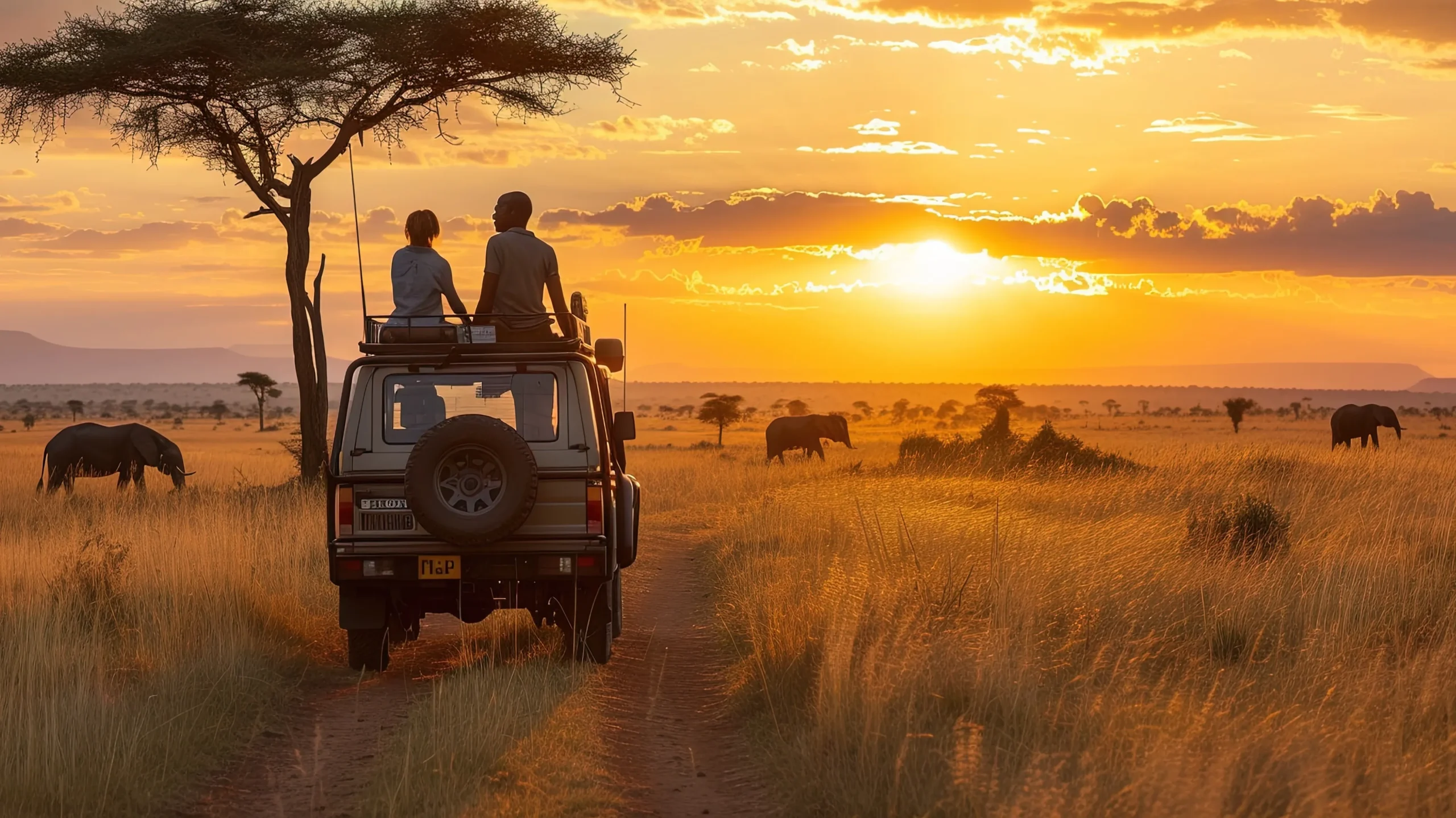
The question of how long to spend on an African safari is one that travel advisors and experienced safari travelers consistently identify as more important to the quality of the experience than the specific destination chosen — a counterintuitive claim that becomes entirely logical once you understand how the safari experience actually builds across consecutive days. Wildlife encounters on safari are not uniformly distributed from the first morning to the last; they accumulate and deepen as guests develop their visual literacy for reading the bush, as guides learn the specific wildlife interests and photographic preferences of each group and begin tailoring the drive routes and sighting management accordingly, and as the sheer exposure to diverse wildlife and behavior across many consecutive hours of game time begins to build a contextual understanding of the ecosystem that a short visit cannot develop. A traveler who spends five days in the Masai Mara sees some excellent wildlife, experiences the landscape, and returns home with good photographs and vivid impressions. A traveler who spends twelve days at the same destination, or across two or three linked destinations, builds a relationship with the wildlife, the landscape, and the guides that transforms the experience from memorable to genuinely formative.

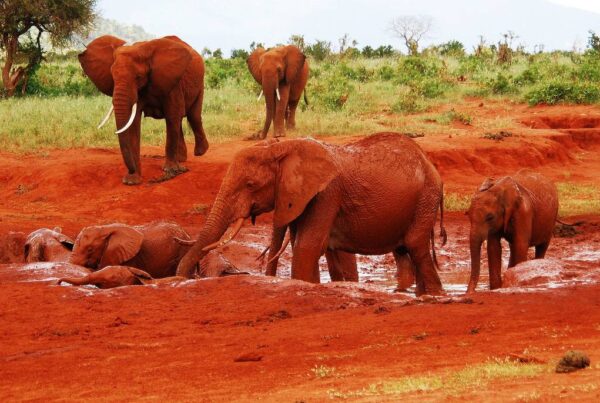
The second critical variable that duration affects is the statistical probability of witnessing the specific wildlife events that define an extraordinary safari — a lion kill, a leopard with cubs, wild dogs on a hunt, the wildebeest migration crossing, a gorilla silverback display — rather than simply the steady-state wildlife encounters that any competent game drive in a good reserve produces. These high-intensity events are not reproducible on demand; they occur when they occur, governed by the animals’ own needs and behavioral cycles rather than by the tourists’ schedule. A five-day visit has perhaps ten to twelve game drives during which a specific sought-after event might occur. A twelve-day visit has twenty-five or more. The cumulative probability of witnessing the extraordinary, rather than simply the excellent, rises meaningfully with each additional day spent in quality wildlife habitat — a mathematical reality that experienced safari travelers understand intuitively and that explains why people who go to Africa once almost always return for a longer trip the second time.

The Short Safari: Five to Seven Days

What a Short Safari Can and Cannot Deliver

Five to Seven Days: The Minimum Meaningful Safari

A five to seven day safari represents the minimum duration that specialist operators recommend for a meaningful, satisfying introduction to African wildlife tourism — short enough to be logistically accessible for travelers with limited annual leave, but long enough to allow genuine acclimatization to the pace of bush life, multiple different habitat types and animal behavior contexts, and the statistical probability of at least one genuinely exceptional wildlife encounter. A seven-night stay at a single quality lodge in a destination like the Masai Mara, South Luangwa, or the Sabi Sand delivers between fourteen and sixteen individual game drive sessions — a sample size that is sufficient to build a rounded experience of the ecosystem while being long enough for the guide-guest relationship to develop the personal calibration that produces the most tailored and rewarding individual drives toward the end of the stay. The emotional arc of a well-structured seven-night safari begins with the orientation excitement of the first drives, moves through the developing visual literacy of the middle days, and reaches the richest wildlife encounters and most confident observation in the final days when everything the guest has learned about reading the bush combines with the guide’s accumulated knowledge of their specific interests.

The primary limitation of a five to seven day safari is the opportunity cost of spending a meaningful portion of that limited time in transit — the international flight, the gateway city overnight or transfer, the internal flight to the bush camp, and the return journey all consume days that reduce the actual in-destination wildlife time more significantly the shorter the overall trip is. A seven-day safari that requires a day of arrival travel and a day of departure travel leaves five full in-destination days — meaningful but not expansive. A ten-day safari with the same two travel days leaves eight full days in the bush, a proportional increase of sixty percent in wildlife time that delivers significantly more than sixty percent more experiential depth because of how the accumulation dynamic described above works. This transit overhead mathematics is an argument for extending a short safari by even two to three additional nights wherever the total travel budget allows it, because those additional days are the highest-value days of the entire trip rather than optional extra time that can be trimmed without significant experiential loss.

The Classic Safari: Ten to Fourteen Days

The Sweet Spot of Duration and Depth

Ten to Fourteen Days: The Format Most Specialists Recommend

The ten to fourteen day safari — allowing eight to twelve full in-destination days after transit time — is the duration that Africa safari specialists most frequently describe as the sweet spot between the experiential depth of a long trip and the logistical and budgetary constraints that make three-week travel impossible for most working travelers. Within this duration, a well-designed itinerary can incorporate two or three distinct destinations that cover different habitat types, wildlife species compositions, and experiential formats: a savanna game drive destination combined with a primate trekking experience, or a vehicle safari destination combined with a walking safari camp and a water-based activity at a delta or river destination. This diversity of experience within a single trip produces the rounded understanding of Africa’s ecological and cultural variety that single-destination visits cannot achieve, and the contrast between experiences — the open horizon of the Serengeti followed by the intimate forest of a chimpanzee trekking destination — creates a narrative arc across the trip that guests report as one of its most distinctive and satisfying qualities.

The ten to fourteen day format also provides sufficient time to recover from the accumulated jet lag of the outbound travel before the first critical wildlife activities begin, to adjust to the pace and schedule of the bush (early morning starts, midday rest, afternoon drive, evening meal) without that adjustment consuming the majority of the available trip time, and to experience the psychological shift that experienced travelers describe as “going bush” — the gradual shedding of urban mental habits and the replacement of distracted multi-tasking attention with the focused, present, patient observation that the bush rewards. This shift, which most travelers report occurs somewhere around the third or fourth day of a safari regardless of their initial pace of relaxation, is the mental state in which the most profound wildlife encounters are appreciated most fully and in which the most vivid long-term memories are formed. A safari that ends just as this state is achieved — five or six days — leaves travelers feeling that they were just beginning to understand what Africa was offering them when they had to leave; a safari that provides several additional days after this shift is the experience they return home describing as the most affecting and transformative travel of their lives.

The Extended Safari: Three Weeks and Beyond

For Travelers Who Can Give Africa the Time It Deserves

Three Weeks: When Africa Becomes Something Else Entirely

A three-week African safari — seventeen to twenty-one full days in the field including transit time — enters a different category of experience from any shorter duration, and the travelers who have done it consistently describe the transformation that occurs around the second week as something that no amount of advice or description adequately prepares you for. By the eighth or ninth day of continuous bush life, the rhythms of the savanna have replaced the rhythms of the ordinary world so completely that it becomes genuinely difficult to remember the specific texture of normal daily life at home — not in a worrying way, but in the way that deeply immersive experiences replace the background noise of habitual patterns with something entirely different and revelatory. Animals that on the first morning produced excitement now produce a different kind of engagement — recognition, context, the ability to predict behavioral sequences before they unfold because you have spent a week learning the species’ behavioral library across dozens of observed interactions. The guide’s observations no longer need translation; you understand what they mean before the explanation is finished because your own field vocabulary has developed to the point where the ecology of the place is beginning to make intuitive sense.

Three weeks in Africa is also the minimum duration for covering the most ambitious multi-country itineraries that combine the continent’s most distinctive and geographically separated experiences — East Africa’s migration spectacle with Southern Africa’s Big Five private reserves with Central Africa’s mountain gorilla and chimpanzee encounters — without the rushed, logistics-heavy movement between destinations that makes shorter multi-country itineraries feel like a checklist of places visited rather than a deep engagement with any of them. The logistical overhead of each camp change — packing, transfer, unpacking, orientation to a new location, the guide-guest calibration process starting again — is amortized more favorably across a three-week trip than a ten-day one, meaning that the actual in-destination wildlife time as a proportion of the total trip length is higher on longer itineraries despite the fact that more camp changes are occurring. For travelers whose work and family situation makes a three-week absence possible even once in their lives, the Africa trip of that duration is consistently described as the single most significant travel experience of their career and one that changes their relationship with the natural world permanently.

Plan Your Safari

African Wild Trekkers designs itineraries across all duration categories and brings the same quality of planning attention to a five-night Kruger self-drive as to a twenty-one-night multi-country grand safari. Our advice on duration is always honest: we tell guests when we believe a proposed duration is too short to deliver the experience they are describing, and we help them identify the specific additions — one extra night here, the removal of a logistics-heavy transit there — that meaningfully improve the experiential return without necessarily requiring a substantial budget increase.

We also help travelers maximize the value of whatever duration they have available by designing itineraries that minimize transit overhead, concentrate wildlife time in the most productive available windows for their travel dates, and sequence destinations in an order that builds rather than repeats experience across the trip. The right three-night, five-night, or seven-night sequence within a ten-day itinerary can be as important as the total duration in determining the quality of the final experience, and this sequencing design is where specialist safari knowledge translates directly into guest satisfaction.

Contact African Wild Trekkers at africanwildtrekkers.com/contact with your available leave, budget, and the Africa experience you are imagining and we will recommend the ideal duration and structure for your specific circumstances within 24 hours.