THow to Plan the Perfect Africa Safari: Expert Step-by-Step Guide
The Foundation of a Perfect Safari
Planning an Africa safari from scratch can feel overwhelming. The continent spans an area larger than the United States, Europe, and China combined. It contains over 50 countries, hundreds of national parks and private reserves, thousands of lodges and camps. And a seasonal calendar that shifts the best wildlife viewing window by months depending on where you are. First-time travelers confronting this complexity often either over-research to the point of paralysis, or hand the entire decision to a single tour operator without knowing enough to evaluate whether their itinerary is genuinely well designed. The step-by-step approach in this guide cuts through the complexity. It establishes the right sequence of decisions, each of which narrows the remaining choices until the right itinerary emerges naturally.
The sequence matters because each decision informs the next. Choosing a destination before establishing your season produces mismatches between when you want to travel and when that destination is at its best. Fixing a budget before understanding what different experiences actually cost leads to either overpaying or setting unrealistic expectations. Working through the planning steps in the right order. Goals, season, destination, budget, operator, logistics — produces a coherent itinerary. It fits your travel style, physical capacity, budget, and time constraints rather than being a patchwork of compromises.
Step One: Define Your Safari Goals
Wildlife Goals and Activity Preferences
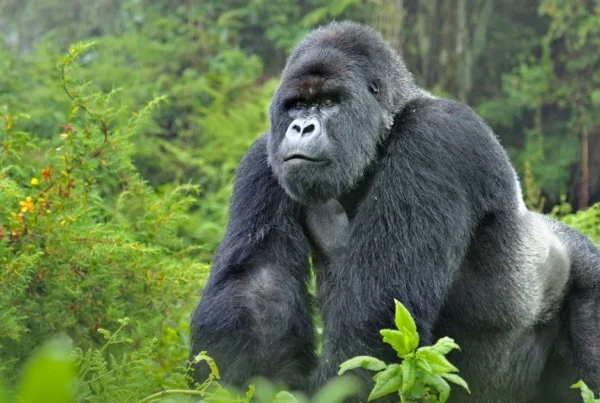
The first question to answer is what you most want to see and do in Africa. The Big Five safari lion, leopard, elephant, rhino, buffalo draws the majority of first-time visitors. The parks that consistently deliver this experience concentrate in East and Southern Africa. the Great Migration is your primary goal, you are looking at Kenya and Tanzania between July and October. If mountain gorilla trekking is the priority, Rwanda and Uganda are the only options. If walking safaris interest you, Zambia, Zimbabwe, and Tanzania’s Selous are the leading destinations. Clarifying your wildlife and activity priorities before looking at destinations eliminates confusion. It focuses your research on a manageable shortlist.
Physical fitness and mobility matter more than most people acknowledge at the planning stage. Walking safaris, gorilla trekking, and mountain climbing components all have real physical requirements. Not extreme fitness — but a basic ability to walk several hours on uneven terrain at altitude without distress. Vehicle-based safaris at most lodges are accessible to travelers of any fitness level, including those with limited mobility. Being honest about physical capacity at the goal-setting stage prevents booking experiences that prove genuinely uncomfortable or inaccessible when you arrive. The best safari operators ask directly about fitness and mobility. The right itinerary design depends on an honest answer.
Comfort Level and Travel Style
Safari accommodation spans an extraordinary range. At one end are ultra-luxury tented camps with private plunge pools and butler service. At the other are basic tented camps with shared ablution facilities and community campfire dinners. Neither end of the spectrum is inherently better. Each attracts travelers for whom that specific style represents the right match between experience and budget. Knowing in advance where you fall on this spectrum matters. The best camps at each level book out at different lead times, price very differently. And sit in different parts of each park or reserve. Travelers who know they want luxury should focus on the handful of camps in each ecosystem that genuinely deliver that standard. Those who prefer a more rustic experience will find more options and greater value.
Travel companion dynamics also belong in the goals conversation. A honeymoon couple has different priorities from a family with children aged eight and twelve. Both differ entirely from a solo photography enthusiast or a group of four friends on a shared adventure. Family-specific camps require different research parameters than adult-only properties. Photography safaris need vehicles configured for camera equipment, specialist guide photography knowledge. And flexible schedules that prioritise early and late light. Identifying these variables at the goal-setting stage prevents friction later in the planning process.
Step Two: Choose Your Season and Timing
East Africa Timing Guide
East Africa’s dry season runs from June through October, with a secondary dry window in January and February. The July-to-October window aligns with Kenya’s Great Migration season. It draws the highest visitor volumes and prices to the Masai Mara. Tanzania’s Serengeti is excellent throughout the dry season. River crossings are most likely between June and September in the northern Serengeti. The shoulder months of May and November offer meaningful price reductions and thinner crowds. Game viewing is only marginally less predictable than peak season. Rwanda’s dry windows are June through September and December through February. Both are good for gorilla trekking, but July through September is the most popular period.
Uganda’s seasons are less defined than Kenya and Tanzania. The country’s proximity to the equator creates a more complex rainfall pattern with two wet and two dry seasons annually. Gorilla trekking is available year-round. The dry months of June to August and December to February are the most comfortable for walking and trekking. Queen Elizabeth National Park’s game viewing is consistent throughout the year. The Kazinga Channel boat trip delivers hippo and buffalo sightings regardless of season. Travelers combining Uganda gorilla trekking with a Kenya safari should build their itinerary around the gorilla permit dates first. Permits are the binding constraint. Then design the Kenya component around whatever dates remain.
Southern Africa Timing Guide
Southern Africa’s dry season runs from May through October, with peak safari conditions in the July-to-September window. Botswana’s Okavango Delta floods between June and August when Angolan seasonal rains arrive via the Okavango River. This creates the water-based safari activities — mokoro canoe trips, motorboat transfers, fishing — that define the delta experience. Zambia’s South Luangwa and Lower Zambezi are at their finest from August through October. Wildlife concentrations around the river are most dramatic during that period. Zimbabwe’s Mana Pools is an October safari destination. The final weeks before the rains when everything converges on the Zambezi. Hwange is consistent throughout the dry season.
South Africa’s Kruger National Park is a year-round destination with peak wildlife viewing in the dry winter months from June through September. Namibia is excellent in both dry and wet seasons. The Skeleton Coast, Sossusvlei, and Damaraland are year-round desert destinations unaffected by seasonal rainfall. Etosha National Park’s waterholes peak in quality during the dry season from May to October. Travelers with limited flexibility on travel dates should work backward from their available travel window. Identify which Southern Africa destinations are at their best during that specific period rather than forcing a seasonal mismatch.
Step Three: Set Your Budget and Destination
What Different Budget Levels Deliver
Safari budgets are most usefully expressed as per-person-per-night figures for accommodation. This number determines which camps are accessible and which are not. The budget range breaks broadly into three tiers. The entry-level tier USD 150 to USD 300 per person per night covers self-catering rest camps in public national parks, basic private lodges, and some tented camps. Game viewing quality at this price point can be exceptional because the wildlife is in the park regardless of where you sleep. The mid-range tier USD 300 to USD 700 per person per night accesses comfortable private camps with included game drives, professional guiding, and full-board meals. The premium tier above USD 700 covers the continent’s top private concessions, exclusive-use properties, and ultra-luxury camps.
Budget benchmarks for specific add-ons also matter. Rwanda gorilla permits cost USD 1,500 per person. Uganda permits cost USD 700. Hot air balloon safaris in Kenya and Tanzania run USD 450 to USD 600 per person. Bush planes between safari destinations in Tanzania, Botswana, and Zambia typically add USD 200 to USD 500 per person per leg. International flights, travel insurance, vaccinations, antimalarials, and visa fees all add to the total. These should factor in from the beginning rather than arrive as budget-breakers at the booking stage. A realistic total budget for a two-week East Africa safari for two people. Covering mid-range accommodation, international flights, all park fees, one gorilla permit each. And airport transfers. Falls in the USD 10,000 to USD 14,000 range. That is less than many European city hotel stays for the same duration.
Choosing Destination Based on Goals and Budget
Once goals and budget are established, destination selection becomes a process of elimination rather than infinite choice. A traveler who wants Big Five game viewing on a USD 300 per night budget in the dry season with a two-week trip has a clear shortlist. Options include South Africa’s Kruger region, Kenya’s Masai Mara with a mix of mid-range camps, or Tanzania’s northern circuit with a fly-camping component. A traveler with a USD 600 per night budget wanting gorillas and game drives looks at Rwanda plus either Uganda or Kenya. The intersection of goals, budget, and season narrows the field to a manageable number of options quickly.
Multi-country itineraries consistently deliver more per day than single-country trips. They capture the diversity of the continent within a single journey. Kenya-Tanzania combinations cover more ecosystem types than either country alone. Rwanda-Uganda itineraries pair gorillas with chimpanzees, walking safaris, and savanna game drives in a two-week framework that feels genuinely comprehensive. South Africa-Botswana or South Africa-Zimbabwe combinations move from the familiar infrastructure of South Africa to the remote wilderness of Southern Africa’s finest parks. The right multi-country combination depends on your goals and budget. But always consider the option before committing to a single-country itinerary.
Steps Four Through Six: Operator, Logistics, and Preparation
Choosing a safari operator is one of the most consequential decisions in the planning process. Operators range from large international booking platforms that aggregate lodge availability across the continent to small specialist operators with deep expertise in one or two countries. For first-time travelers, a specialist operator who knows a specific region intimately delivers far more value than a platform that treats every destination equally. That specialist knows guide quality, seasonal variations, and which camps are overrated or underrated. Ask potential operators specific questions: which guide in which camp is their strongest recommendation? Which property offers the best walking safari experience in a given park? What happened on their last personal visit to the destination they are recommending for you? The quality of the answers tells you everything you need to know about the quality of the operator.
Logistics and preparation cover the practical elements that determine whether the safari runs smoothly once you leave home. International flights to safari gateway cities. Nairobi, Dar es Salaam, Kigali, Johannesburg, Lusaka, Harare. Require booking months in advance for good fares. Check visas for each country on your itinerary. Some require advance applications and others offer visa on arrival. Travel health consultations should happen six to eight weeks before departure. This allows time for any required vaccinations. Yellow fever vaccination is mandatory for entry to Uganda and requires a certificate. The course takes two weeks to take effect. Packing for safari is a specific exercise. Neutral-colored clothing, layers for cold mornings, a good headlamp for night drives, quality binoculars, and appropriate camera gear are the essentials. These distinguish a well-prepared safari traveler from one spending the first morning drives in unsuitable clothes without the equipment to make the most of the sightings.
Plan Your Safari
Planning the perfect Africa safari benefits enormously from working with specialists who have recent, firsthand experience in the specific destinations you are considering. The difference between a well-designed itinerary and a mediocre one is almost never the lodge list. It is the guidance, the sequencing, and the insider knowledge of which experiences to prioritise within your available time and budget.
African Wild Trekkers designs bespoke safari itineraries across East and Southern Africa. We combine destination expertise with camp-specific knowledge, permit booking for gorillas and chimpanzees, internal flight logistics, and pre-departure preparation support. Every element of your safari is planned correctly from the start.
Contact African Wild Trekkers at africanwildtrekkers.com/contact with your travel dates, goals, and approximate budget. We will begin designing your perfect Africa safari itinerary within 24 hours.