Huye Museum Rwanda: The National Museum That Defines Rwandan Cultural History
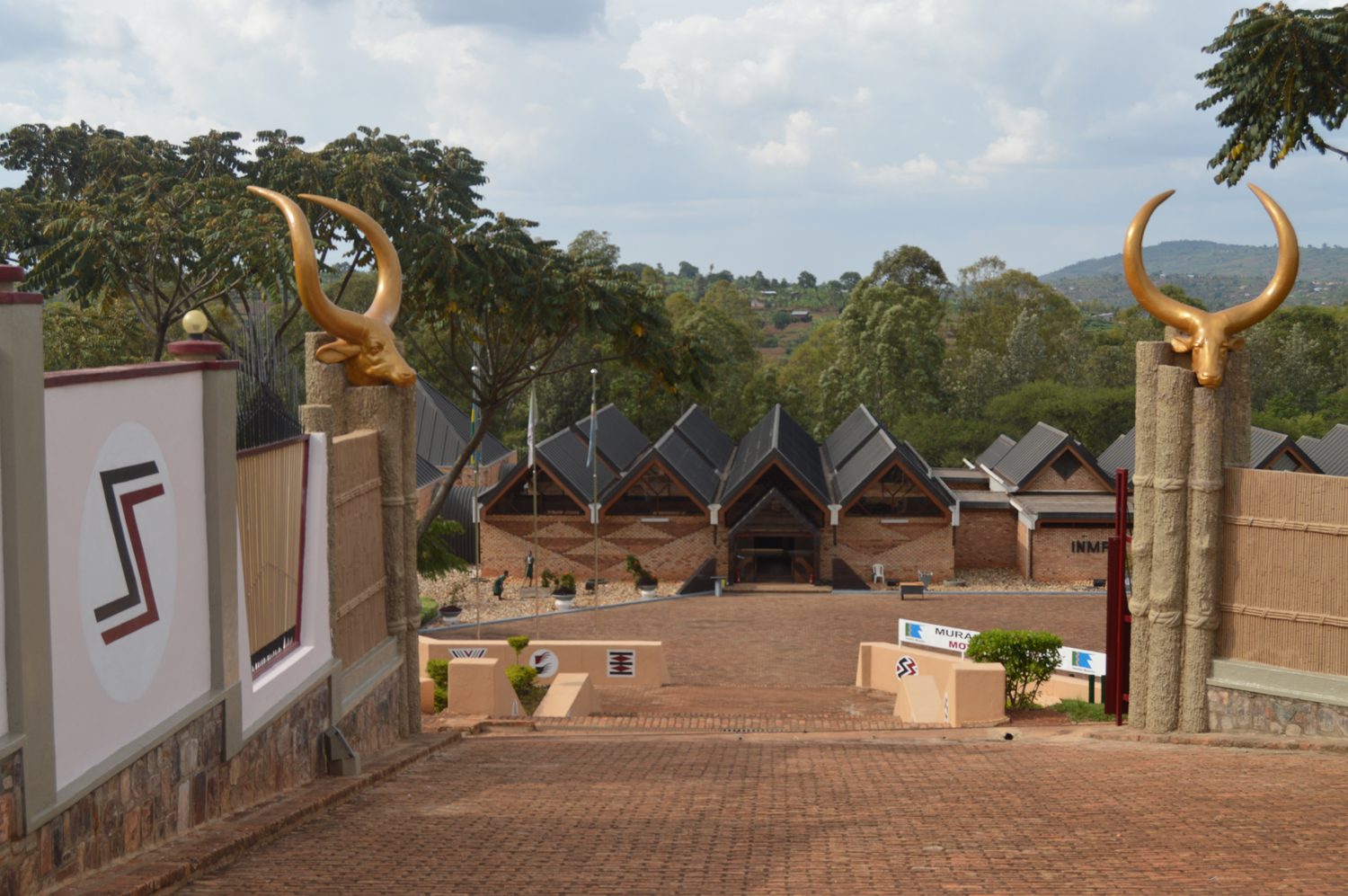
The Ethnographic Museum in Huye, commonly called the Huye Museum or the National Museum of Rwanda, is the country’s most important cultural and historical institution. Located in southern Rwanda in the old colonial university town of Huye, the museum presents Rwandan material culture, history, and social life across pre-colonial, colonial, and post-colonial periods. It provides the richest introduction to Rwandan cultural history available at any single site in the country.
The museum building itself is architecturally significant. It was designed as a gift from the Belgian government and opened in 1989. The circular design references traditional Rwandan architectural forms. The museum sits in well-maintained grounds with traditional architecture and ethnobotanical garden sections.
The Collections
The museum’s permanent collection covers the full breadth of traditional Rwandan material culture. Agricultural implements, hunting and fishing equipment, domestic utensils, ceremonial objects, royal regalia, and musical instruments are all represented. The collection was assembled with attention to regional variation across Rwanda’s different cultural zones. It reflects the material life of ordinary Rwandans as well as the court culture of the pre-colonial monarchy.
The royal collection section is particularly significant. Rwanda had one of the most culturally refined monarchies in pre-colonial Central Africa. The mwami, or king, maintained an elaborate court with specific traditions, ceremonies, symbols, and cultural practices. The museum preserves examples of the material culture associated with the royal court. These include royal drums, cattle management implements, and ceremonial objects with specific court functions.
The cattle section of the museum reflects the central role of Ankole-Watusi cattle in traditional Rwandan culture. Cattle represented wealth, status, and the foundation of the client-patron relationships that structured traditional society. The museum’s documentation of cattle culture provides essential context for understanding the social structure of pre-colonial Rwanda. It also illuminates contemporary Rwandan attitudes toward cattle that visitors observe in rural communities today.
The Historical Narrative
The museum presents Rwanda’s history across multiple periods. The pre-colonial period covers the formation of the centralised Rwandan kingdom and its distinctive cultural, social, and political characteristics. The colonial period covers German and then Belgian administration and the transformations this produced. The post-independence period addresses Rwanda’s path through the post-1962 Republic to the present.
The genocide period is addressed within the museum’s historical narrative. The museum does not specialise in this history in the way that the Kigali Genocide Memorial or the dedicated memorial sites do. However, the broader historical context the museum provides for understanding Rwandan society makes it valuable preparation for visiting the memorial sites. The combination of the museum with a memorial visit creates a fuller picture of the historical trajectory than either delivers alone.
The natural history and geography sections cover Rwanda’s physical environment, ecology, and biodiversity. These sections connect the museum to the natural landscapes visitors experience in the national parks. Understanding the ecological context of Rwanda alongside its cultural history provides a more complete picture of the country’s identity.
Huye Town and Surroundings
Huye is a university town with a distinctive character among Rwanda’s provincial centres. The National University of Rwanda, founded in 1963, has given the town an intellectual and educational identity for more than six decades. The town centre has a pleasant pedestrian quality with good accommodation and food options at a range of price points.
The Nyungwe Forest National Park is approximately 60 kilometres west of Huye. The museum pairs productively with a Nyungwe Forest visit in a combined southern Rwanda itinerary. Adding the Murambi Genocide Memorial, approximately 60 kilometres further west, completes one of Rwanda’s most historically rich regional circuits. The three sites together provide the fullest available engagement with Rwanda’s southern landscape, culture, and history.
Plan Your Huye Museum Visit
The Huye Museum is an essential stop for any visitor who wants to understand Rwandan culture beyond the wildlife and landscape experience. Allow two to three hours for a thorough museum visit. Combining the museum with a Nyungwe Forest visit and a southern memorial circuit creates a complete southern Rwanda itinerary. That combination rewards visitors with genuine depth of country understanding that wildlife-only safari programs cannot provide.
African Wild Trekkers designs southern Rwanda itineraries that include the Huye Museum alongside Nyungwe Forest chimpanzee tracking and the memorial sites of the southern circuit. Contact us to plan a Rwanda safari that includes the cultural and historical dimensions that complete the picture of this extraordinary country.