Karura Forest Nairobi: The Green Lung in the Heart of the City
Karura Forest Nairobi is the largest urban forest in any African capital city. This 1,053-hectare forest sits within Nairobi’s northern suburbs and provides an extraordinary natural escape minutes from the city centre. Karura Forest Nairobi is managed by the Kenya Forest Service and the Friends of Karura Forest. The forest offers walking trails, cycling paths, bird watching, and picnic sites for Nairobi residents and visitors. Karura Forest Nairobi holds over 200 bird species and mammals including bushbuck, colobus monkey, and serval cat. The forest is one of the great urban conservation success stories in Africa.
Karura Forest Nairobi was protected from development through a famous campaign led by Wangari Maathai in the late 1990s. Maathai, who later won the Nobel Peace Prize, organised community resistance to illegal forest excisions. The Karura Forest Nairobi restoration since 2009 has transformed previously degraded sections back to productive forest. Cave waterfalls, stream walks, and canopy viewpoints have all been developed within the Karura Forest Nairobi trail network. The forest now serves as one of Nairobi’s most popular outdoor recreation destinations for all income levels.
Karura Forest Nairobi Activities
Walking in Karura Forest Nairobi
Karura Forest Nairobi walking trail network covers 30 kilometres across the full forest area. Trails range from short 45-minute circuits to full-day cross-forest walks connecting multiple entry gates. The Karura Forest Nairobi cave waterfall trail is the most popular single walking route. This trail leads to a waterfall falling into a collapsed cave pool accessible by a short descent. The Karura Forest Nairobi cave waterfall creates a strikingly beautiful hidden natural space within the city forest. The trail to the waterfall takes 30 minutes from the main Karura Forest Nairobi gate on Limuru Road.
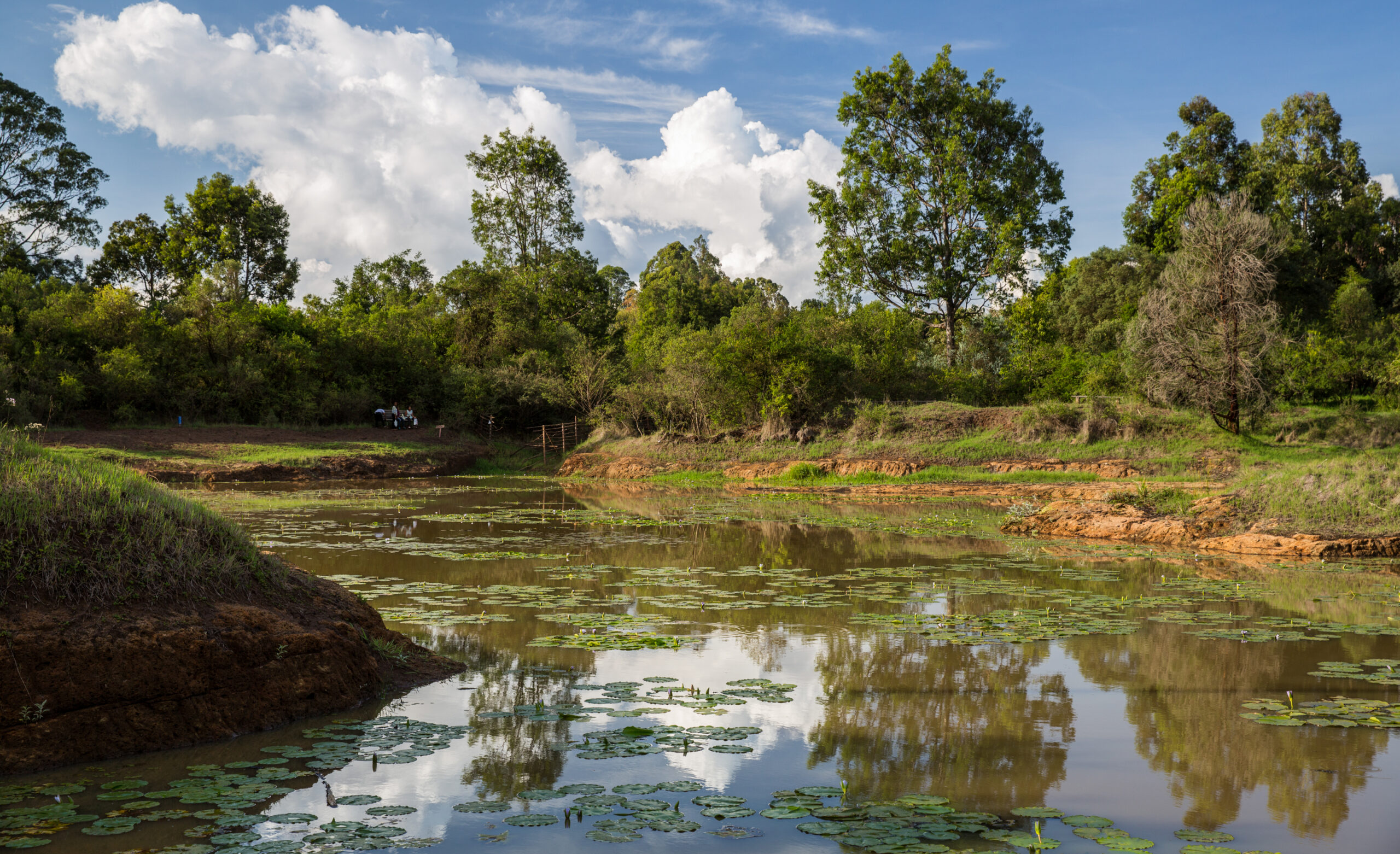
The Karura Forest Nairobi riparian zone along the Karura and Rui Ruaka rivers creates the most diverse walking habitat in the forest. Stream edge habitats in Karura Forest Nairobi hold the highest bird diversity of any section of the trail network. Giant fig trees in the Karura Forest Nairobi riparian zone attract large fruit-eating bird flocks. Colobus monkey troops inhabit these fig trees throughout the year. Watching black and white colobus monkeys feeding directly above the trail in Karura Forest Nairobi is one of Nairobi’s finest urban wildlife encounters.
Cycling in Karura Forest Nairobi
Karura Forest Nairobi maintains dedicated cycling trails separate from the walking paths. Mountain bikes are available for hire at the main Karura Forest Nairobi gate on weekends. The cycling trails in Karura Forest Nairobi cover undulating forest terrain on well-maintained dirt surfaces. A full Karura Forest Nairobi cycling circuit takes two to three hours at a moderate pace. Weekend cycling at Karura Forest Nairobi is extremely popular with Nairobi families and fitness groups. Early morning Karura Forest Nairobi cycling from 06:30 captures the forest before visitor numbers peak at 09:00.
Cycling groups at Karura Forest Nairobi are common on Saturday and Sunday mornings. Local cycling clubs use Karura Forest Nairobi trails for group training rides throughout the year. Visiting cyclists who bring their own mountain bikes can access the Karura Forest Nairobi trails with a gate entry pass. The Karura Forest Nairobi cycling trail elevation change suits intermediate riders comfortably. Beginners find the shorter forest road sections easier than the technical single-track sections. A hire bike orientation from the gate office points Karura Forest Nairobi cycling visitors toward appropriate trail sections for their skill level.
Karura Forest Nairobi Wildlife and Birding
Birds in Karura Forest Nairobi
Karura Forest Nairobi holds 225 confirmed bird species making it one of Kenya’s top urban birding sites. The forest’s position on the migratory route between highlands and the Rift Valley increases Karura Forest Nairobi species diversity during October to April. African crowned eagle nests in the tall Karura Forest Nairobi forest trees in the core conservation area. Brown-breasted barbet is a common Karura Forest Nairobi species visible at fig trees throughout the year. Woodland kingfisher inhabits the forest edge and is one of Karura Forest Nairobi’s most conspicuous bird species from December to March.
Karura Forest Nairobi dawn bird walks from 06:00 produce 50 to 70 species in two hours. The riparian zone trail produces the highest Karura Forest Nairobi species counts. African paradise flycatcher is abundant at Karura Forest Nairobi from September to March. Bar-tailed trogon inhabits the deeper Karura Forest Nairobi interior and requires a specialist guide to locate. Ross’s turaco moves through the fruiting fig trees in Karura Forest Nairobi in small, noisy groups. The Karura Forest Nairobi birding community publishes regular species sighting lists that help visiting birders plan productive morning walks at the most rewarding sites.
Mammals in Karura Forest Nairobi
Karura Forest Nairobi holds seven mammal species visible on most morning walks. Black and white colobus monkey is the most conspicuous Karura Forest Nairobi mammal. Troops of 15 to 25 colobus inhabit the fig and wild olive trees along the riparian trail. Bushbuck is the most common large mammal in Karura Forest Nairobi. These small antelope are extremely habituated and allow close approach on the walking trails. Harvey’s duiker is a smaller, shyer Karura Forest Nairobi antelope occasionally seen in the denser forest sections. Serval cat is the apex mammal predator in Karura Forest Nairobi and is occasionally spotted on early morning walks.
Porcupine leaves digging signs throughout Karura Forest Nairobi and is common but rarely seen during daylight hours. Spotted genet is another Karura Forest Nairobi nocturnal species occasionally encountered on late evening picnic area visits. Water mongoose inhabits the Karura Forest Nairobi riparian zones and is seen along stream edges in the early morning. African civet leaves conspicuous spraints on prominent Karura Forest Nairobi trail-side locations. The breadth of Karura Forest Nairobi mammal diversity is remarkable given the forest’s complete urban surroundings on all sides. The forest represents an irreplaceable island of biodiversity in the heart of sub-Saharan Africa’s fourth largest city.
Plan Your Safari
Visit Karura Forest Nairobi on arrival or departure morning from Nairobi for a productive two-hour forest walk or cycling session. Arrive at the Limuru Road gate by 06:30 for the peak bird activity before the forest fills with other visitors. Combine the Karura Forest Nairobi walk with a visit to the Nairobi National Museum for a complete Nairobi day programme.
African Wild Trekkers includes Karura Forest Nairobi in Nairobi day programme itineraries. We arrange transport from central Nairobi hotels and brief clients on the most productive Karura Forest Nairobi walking trails for bird watching and colobus monkey encounters.
Contact African Wild Trekkers to plan a Karura Forest Nairobi morning. We respond within 24 hours and design complete Nairobi day programmes that use the forest as the ideal introduction to Kenya’s extraordinary urban biodiversity.