Nile Perch Fishing Uganda: Sport Fishing for Africa’s Largest Freshwater Predator
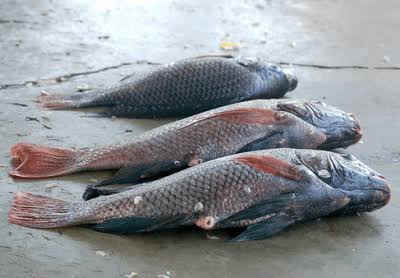
The Nile perch is one of the world’s largest freshwater fish. Adults exceed 2 metres in length and weigh over 200 kilograms in the exceptional specimens that Lake Victoria’s deepest water produces. More typically, sport fishers targeting Nile perch on Uganda’s Lake Victoria shores hook fish in the 20 to 80 kilogram range — still a formidable quarry on any freshwater tackle. The fish’s combination of powerful initial run, heavy weight, and resistance to being lifted from depth makes it one of the most demanding sport fishing targets in Africa. Moreover, the setting — the equatorial waters of Africa’s largest lake, with East Africa’s greatest diversity of waterbirds visible from the fishing boat throughout the session — provides a context that no cold-water sport fishing location matches for scenic drama.
Nile Perch: Biology and Behaviour
The Nile perch, Lates niloticus, was introduced to Lake Victoria in the 1950s. Its subsequent population explosion caused the extinction of hundreds of endemic cichlid fish species and transformed the lake’s ecology fundamentally. However, the Nile perch now constitutes the lake’s dominant large predator and supports a massive commercial fishing industry alongside the sport fishing sector. The fish is an ambush predator — it holds in deep water beside structure and accelerates rapidly to intercept prey species moving at shallower depths. This hunting behaviour makes it catchable on large lures trolled or cast beside underwater rock structures and drop-offs at depths of 10 to 40 metres. The fish feeds most actively at dawn and dusk, matching the productive periods for other East Africa wildlife activities.
Fishing Methods and Tackle
Nile perch respond to several fishing methods in Uganda’s Lake Victoria. Trolling large spoons and deep-diving lures along the rocky shoreline drop-offs of Entebbe Peninsula and the lake’s island margins produces consistent results for fish up to 40 kilograms. Casting large surface lures into the rocky margins at first light targets fish that push cichlids to the surface at dawn. Deep jigging with heavy metal jigs — worked vertically over underwater rock structures — accesses the largest fish that hold in deep water during daylight hours. All three methods use heavy-duty tackle — 50 to 80 pound class rods and reels loaded with braid line in the 65 to 80 pound breaking strain range. Furthermore, wire traces prevent bite-offs from the Nile perch’s sharp gill plate edges during the fight.
Lake Victoria Fishing Access Points
Entebbe and Kampala’s Lake Victoria shoreline provide the most accessible Nile perch sport fishing starting points in Uganda. Local boat operators and safari lodges near Entebbe run half-day and full-day fishing charters. The Ssese Islands, approximately 40 kilometres south of Entebbe by boat, offer the most productive offshore Nile perch fishing in Uganda’s Lake Victoria sector — the islands’ rocky margins and channel drop-offs concentrate fish in fishable depths throughout the year. Additionally, Lake Albert in western Uganda — part of the Nile River system — carries Nile perch populations alongside tigerfish and tilapia, accessible from Murchison Falls and Fort Portal area camps as a day trip or overnight extension.
Plan Your Safari
Nile perch fishing from Entebbe fits naturally at the beginning or end of a Uganda safari itinerary before or after the western circuit wildlife parks. A half-day fishing charter from Entebbe takes 4 to 6 hours and requires no previous sport fishing experience — local guides handle all tackle rigging and technique instruction. Catch and release is the recommended practice for all fish over 30 kilograms. Smaller fish are edible and frequently cleaned and cooked by local operators as part of the fishing day experience. The Nile perch’s firm, white flesh is the basis for Uganda’s most popular fish dish.
African Wild Trekkers includes Lake Victoria Nile perch fishing excursions in Uganda safari itineraries. Contact us to plan a Uganda safari that adds sport fishing to the wildlife and cultural experiences of the western circuit.