Lake Tanganyika Snorkel Tanzania: Exploring Africa’s Deepest Lake’s Endemic Cichlid Fish
Lake Tanganyika holds the clearest freshwater in Africa. Visibility extends to 20 metres in the nearshore rocky zones where the lake’s extraordinary endemic cichlid fish community lives and breeds. These cichlids evolved in isolation over the last 9 to 12 million years as the rift valley filled with water — producing over 300 species found nowhere else on earth, many of which display colour patterns comparable to coral reef fish in their intensity and variety. Snorkelling in Lake Tanganyika delivers freshwater observations that rival marine reef snorkelling for colour, fish density, and behavioural complexity. Moreover, the surrounding landscape — the Mahale Mountains rising directly from the western shore, the clear sky, and the absence of boat traffic in the national park zone — creates a visual context that no coastal snorkel destination matches.
The Cichlid Community
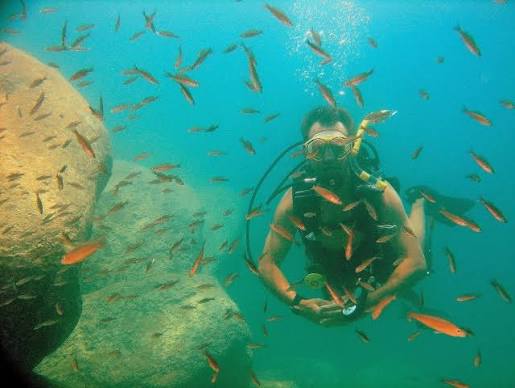
Lake Tanganyika’s cichlid fish community divides into distinct habitat zones. Rocky shoreline shallows between 0 and 15 metres carry the most species-rich and visually dramatic assemblage — substrate-brooding cichlids defending territories the size of a dinner plate, the intricate mouth-brooding species guarding their young inside their buccal cavity, and the large predatory cichlids patrolling the rocky edges. Sand-bottomed areas between rocky zones carry a different community — smaller, silvery species schooling in dense groups above the sandy substrate. Open water above 20 metres carries the pelagic clupeids — small sardine-like fish that sustain both the lake’s commercial fishery and the open water cichlid predators. A snorkelling session in the rocky nearshore zone at Mahale reveals 20 to 40 cichlid species within a single 200-metre transect.
Mahale Mountains: Tanzania’s Best Snorkel Location
Mahale Mountains National Park sits on the eastern shore of Lake Tanganyika in western Tanzania. The park is accessible only by light aircraft or boat no road connects it to the main road network. This inaccessibility preserves both the chimpanzee habitats on the mountain slopes and the lake’s rocky shoreline in pristine condition. The camp beaches in Mahale’s northern concession provide the finest snorkelling access in Tanzania. The shoreline drops immediately to 5 to 8 metres against the rock, and the clarity of the water makes the cichlid community visible from the surface before entering the water. Water temperature at the surface sits at 25 to 28 degrees Celsius comfortable for extended snorkelling sessions without a wetsuit.
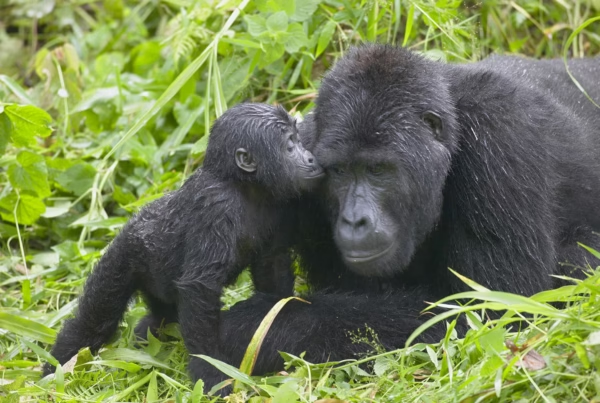
Furthermore, Mahale’s combination of chimpanzee trekking in the mountain forest and cichlid snorkelling in the clear lake creates an ecological contrast forest primates and freshwater fish endemism available at no other single destination in Africa. Both activities operate in perfect alignment chimp trekking in the morning, snorkelling in the late afternoon after the lake surface heat dissipates.
Snorkelling Equipment and Conditions
Standard mask, fins, and snorkel tube are the only equipment needed for Lake Tanganyika snorkelling. The lake’s freshwater density is slightly lower than marine water, requiring slightly stronger leg movement to maintain depth in the water column. However, the lighter buoyancy suits snorkellers who find marine snorkelling too buoyant for comfortable diving below the surface. The rocky substrate hosts no stinging or toxic species the endemic cichlids are non-aggressive toward snorkellers and allow close observation at 50 centimetres or less when the snorkeller moves slowly. A waterproof camera or GoPro captures the cichlid community in clear, bright water without the colour-absorption problems that affect shallow marine photography.
Plan Your Safari
Mahale Mountains is accessible from Arusha or Dar es Salaam by scheduled charter flights via Kigoma on Lake Tanganyika’s eastern shore. The flight-in wilderness character of the destination suits guests building a western Tanzania circuit combining Mahale with Katavi National Park Africa’s most remote and wildlife-dense buffalo and hippo ecosystem. A minimum of three nights at Mahale allows full engagement with both the chimp trekking and the lake snorkelling. Longer stays reward with multiple chimp encounters and extended lake exploration.
African Wild Trekkers designs western Tanzania safari itineraries combining Mahale Mountains chimpanzee trekking, Lake Tanganyika snorkelling, and Katavi’s remote wildlife. Contact us to plan a Tanzania safari exploring the country’s most extraordinary and least visited wilderness destinations.