Ol Pejeta Conservancy: Home of the Last Northern White Rhinos
Ol Pejeta Conservancy is Kenya’s most important single wildlife conservation site in the 21st century. This 90,000-acre conservancy on the Laikipia Plateau is home to the last two remaining northern white rhinoceros in the world. Ol Pejeta Conservancy also holds the largest black rhino population in East Africa, the only chimpanzee sanctuary in Kenya, and the complete Big Five. The Ol Pejeta Conservancy wildlife density is among the highest of any unfenced conservancy in Kenya. Game drives at Ol Pejeta Conservancy produce an extraordinary range of species, including elephant, lion, leopard, spotted hyena, wild dog, and all the major plains game. Ol Pejeta Conservancy is the most rewarding single conservancy destination in the Laikipia ecosystem.
Ol Pejeta Conservancy was established as a cattle ranch in the 1950s and converted to wildlife conservation in 1988. The conservancy is owned and managed by the Ol Pejeta Trust, a Kenyan charity. Ol Pejeta Conservancy generates revenue through wildlife tourism, livestock grazing, and community development programs. This sustainable business model at Ol Pejeta Conservancy has become a template for East African conservation finance. The conservancy’s success demonstrates that wildlife tourism can generate more revenue per hectare than any alternative land use in the Laikipia ecosystem.
Ol Pejeta Conservancy Wildlife
Northern White Rhino at Ol Pejeta Conservancy
The last two northern white rhinoceros on Earth live at Ol Pejeta Conservancy. Najin and Fatu are the sole surviving members of a subspecies that once inhabited the grasslands of Uganda, DRC, South Sudan, and Chad. The northern white rhino Ol Pejeta Conservancy population collapsed from 2,360 animals in 1960 to zero in the wild by 2018. The last wild northern white rhino was the Ol Pejeta Conservancy bull Sudan who died in 2018. Sudan became globally famous as the world’s last wild-origin male of his subspecies. Najin is Sudan’s daughter, and Fatu is his granddaughter. Both live at Ol Pejeta Conservancy under 24-hour armed protection.
Ol Pejeta Conservancy allows visitors to stand within three meters of Najin and Fatu under keeper supervision. This extraordinary Ol Pejeta Conservancy encounter with the last two members of a functionally extinct subspecies is one of Africa’s most emotionally profound wildlife experiences. The Ol Pejeta Conservancy northern white rhino encounter creates direct personal connection with the most critical conservation story in the world today. Scientific work at Ol Pejeta Conservancy uses stored genetic material and advanced reproductive technology to attempt the recovery of the northern white rhino subspecies. This Ol Pejeta Conservancy IVF program represents the frontier of extinction-reversal science.
Black Rhino at Ol Pejeta Conservancy
Ol Pejeta Conservancy holds the largest black rhino population in East Africa with over 120 individuals. These Ol Pejeta Conservancy black rhinos are tracked individually by the conservancy’s rhino monitoring team. Guided black rhino tracking walks at Ol Pejeta Conservancy use tracking telemetry to locate collared individuals. The Ol Pejeta Conservancy black rhino encounter frequency on guided walks is among the highest of any Kenya rhino destination. Black rhino encounters at Ol Pejeta Conservancy typically occur at 20 to 50 meters in the acacia scrub and open grassland habitat. The dense Ol Pejeta Conservancy black rhino population means most guided tracking walks produce a sighting within two hours of departure.
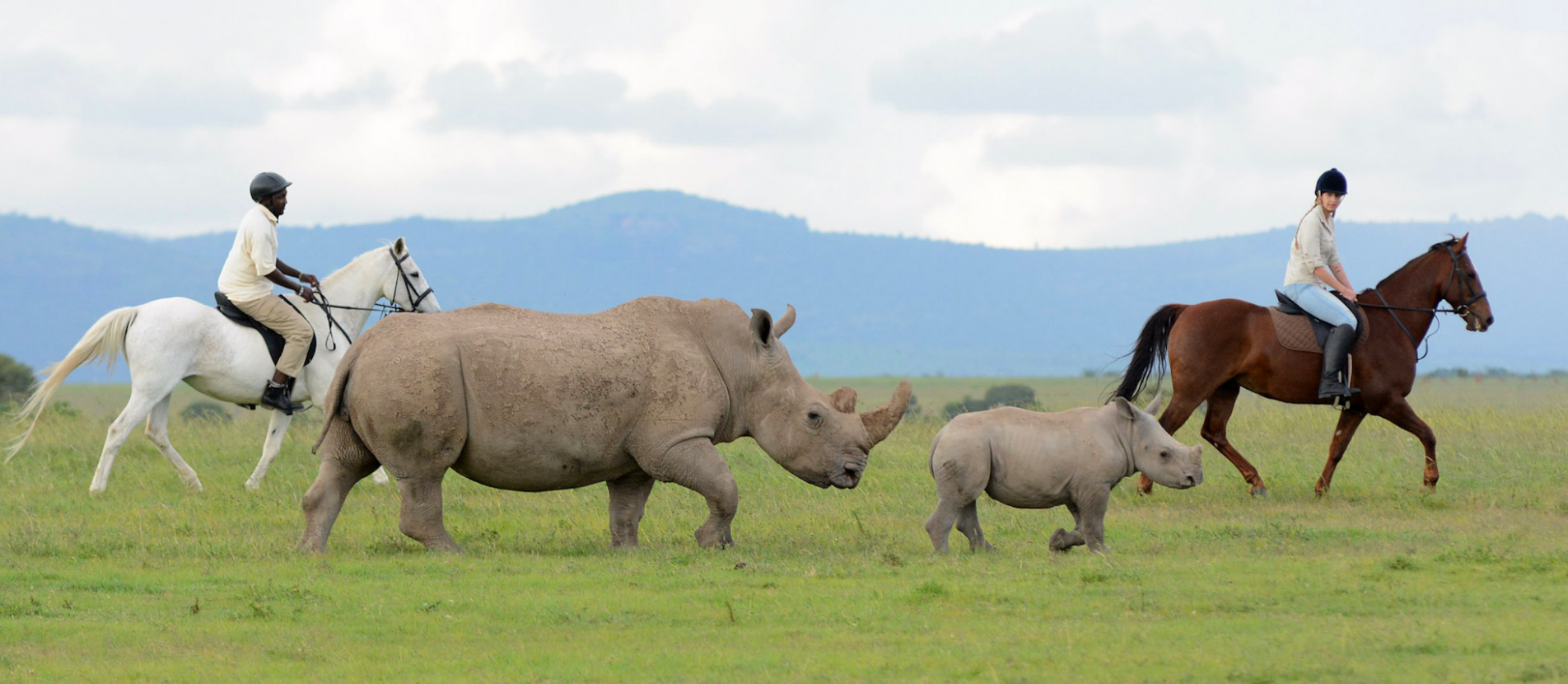
The Ol Pejeta Conservancy’s white rhino is also present in significant numbers. The white rhino at Ol Pejeta Conservancy is the southern white species rather than the northern white. Southern white rhinos were reintroduced to Ol Pejeta Conservancy from South Africa as part of a range expansion program. These Ol Pejeta Conservancy white rhinos are commonly seen on vehicle game drives in the open grassland sections. Seeing both black and white rhino species at Ol Pejeta Conservancy on the same day is a regularly achieved safari experience at this conservancy.
Ol Pejeta Conservancy Experiences
Chimpanzee Sanctuary at Ol Pejeta Conservancy
The Sweetwaters Chimpanzee Sanctuary at Ol Pejeta Conservancy is the only place in Kenya where chimpanzees can be seen. This Ol Pejeta Conservancy sanctuary provides permanent refuge for rescued and orphaned chimpanzees from across East and Central Africa. The Ol Pejeta Conservancy chimpanzee group numbers approximately 40 animals in two social groups. Visitor access to the Ol Pejeta Conservancy chimpanzee sanctuary involves guided walks along the fenced sanctuary perimeter with chimp encounters at close range through the fence. The Ol Pejeta Conservancy chimpanzee groups are fully habituated to human presence. Morning visits to the Ol Pejeta Conservancy chimpanzee sanctuary from 07:00 to 09:00 catch the most active social and feeding behavior of the day.
The Ol Pejeta Conservancy chimpanzee sanctuary’s history includes animals rescued from the bushmeat trade, pet trade, and habitat destruction across Central Africa. Each Ol Pejeta Conservancy chimpanzee has a named individual story available from the sanctuary guide. Understanding the individual Ol Pejeta Conservancy chimpanzee rescue stories creates powerful conservation awareness context for the sanctuary visit. The Ol Pejeta Conservancy chimpanzee sanctuary is managed by the Jane Goodall Institute in partnership with the Ol Pejeta Trust. This partnership ensures the highest welfare standards and scientific knowledge base for the Ol Pejeta Conservancy chimpanzee care program.
Big Five Game Drives at Ol Pejeta Conservancy
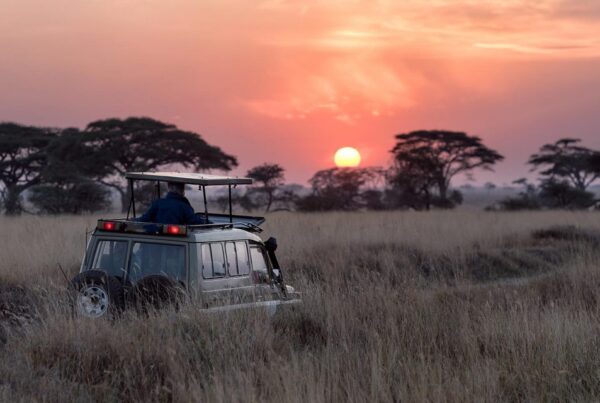
Ol Pejeta Conservancy delivers the most reliably productive Big Five game drive experience on the Laikipia Plateau. Elephant herds are very commonly encountered on morning Ol Pejeta Conservancy game drives throughout the year. Lion prides are resident across the Ol Pejeta Conservancy territory, with known pride territories available to the guide team through the conservancy operations radio system. Leopards are seen regularly at the Ol Pejeta Conservancy riverine sections. Buffalo herds graze the open Ol Pejeta Conservancy grassland sections near the Ewaso Nyiro River. The combination of these Ol Pejeta Conservancy Big Five species with rhino tracking walks creates a potential five- to six-big-mammal encounter day.
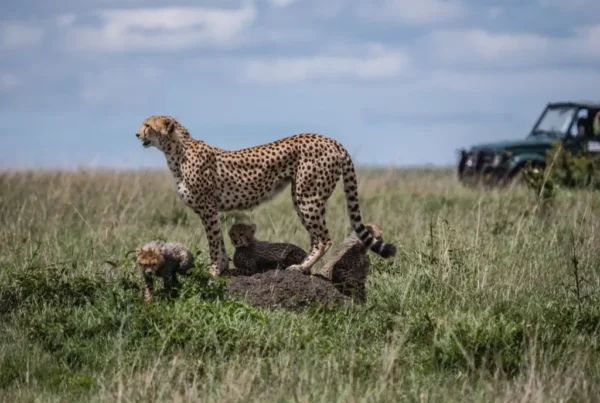
Wild dog breeds at Ol Pejeta Conservancy in some years and is seen on game drives when the pack is active in the conservancy. The Ol Pejeta Conservancy cheetah population of three to five individuals inhabits the open grassland sections and is regularly seen on morning game drives. Spotted hyenas are abundant at Ol Pejeta Conservancy and active at dawn and dusk game drive times. The Ol Pejeta Conservancy night game drive program adds genet, African wild cat, and porcupine to the species list beyond the daytime encounters. Ol Pejeta Conservancy night drives are booked through the lodge and require a special night permit from the conservancy operations team.
Plan Your Safari
Stay at Ol Pejeta Conservancy for two to three nights to cover the northern white rhino visit, the black rhino tracking walk, the chimpanzee sanctuary, and the Big Five game drive circuit. Book the northern white rhino and chimpanzee sanctuary visits in advance through your Ol Pejeta Conservancy lodge. Combine Ol Pejeta Conservancy with Laikipia horse safaris and camel trekking for the most complete plateau program.
African Wild Trekkers designs Ol Pejeta Conservancy safari programs that cover every major conservation and wildlife experience at this extraordinary site. We book rhino tracking, chimpanzee sanctuary, and Big Five game drive programs and design complete Laikipia circuits combining Ol Pejeta Conservancy with the finest surrounding conservancy experiences.
Contact African Wild Trekkers to visit Ol Pejeta Conservancy. We respond within 24 hours and design Laikipia safari programs where the world’s last northern white rhinos, black rhino tracking, and Big Five game drives combine in Kenya’s most extraordinary single conservancy destination.