Pemba Island: Tanzania’s Hidden Diving Gem
What Makes Pemba Different from Zanzibar
Geography and Ecological Character
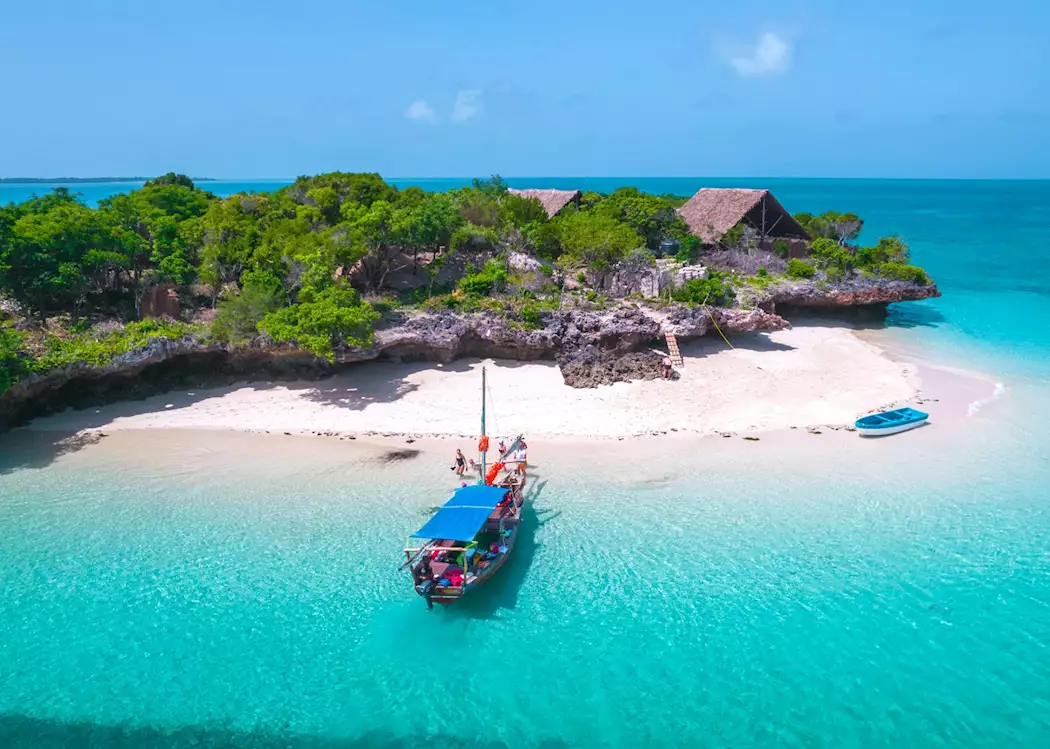
Pemba Island lies approximately 80 kilometres north of Zanzibar and 50 kilometres off the Tanzania mainland coast in a position that exposes it to the open Indian Ocean in ways that Zanzibar’s closer mainland proximity moderates. The island covers 980 square kilometres of lush, forested terrain rising to central highlands of 90 metres — significantly more topographically varied than Zanzibar’s flat coral island character. The island sustains approximately 400,000 people whose primary economic activities are clove farming, fishing, and increasingly ecotourism. Pemba’s clove industry produces approximately 70 percent of the Zanzibar Archipelago’s total clove output despite occupying a smaller land area than Zanzibar Island, reflecting the island’s richer volcanic soil and higher rainfall.
Pemba’s position on the edge of the Pemba Channel, where depths plunge from the island’s shallow coral shelf to over 800 metres within a few kilometres of the shoreline, creates the upwelling and current conditions that make the island’s diving exceptional even by Indian Ocean standards. Cold, nutrient-rich water drawn up by the channel’s depth differential feeds the plankton blooms that sustain Pemba’s fish biomass. Reef fish populations here consistently run three to four times the biomass of comparable Zanzibar sites according to underwater fish counts. This difference reflects both the nutrient input from upwellings and the dramatically lower dive and snorkelling pressure that Pemba’s limited visitor numbers maintain across its reef systems.
Why Pemba Remains Undiscovered
Pemba Island attracts limited international visitors because of a combination of factors that keep it off the mainstream East Africa tourist circuit. The absence of direct flights from Nairobi — all access routes require connection through Zanzibar or Tanga on the mainland — adds a logistical complication that deters travellers already managing the complexity of a safari plus beach extension. The island’s limited accommodation infrastructure — fewer than a dozen serious tourist properties, several of which operate specifically for dive groups — restricts the market to the specialist dive and ecotourism segment rather than the broader safari-extension beach market. These conditions create a self-reinforcing cycle of limited visitor numbers and limited investment in accommodation infrastructure.
The advantages of Pemba’s limited development are precisely what its existing visitors value most — dive sites where no three boats of tourists have already visited the same reef ahead of your group, accommodation that feels embedded in the island’s working landscape rather than sealed off in a resort bubble, and villages whose daily life the tourist presence around them minimally shapes. Travellers who have visited Zanzibar’s beach circuit, found it enjoyable but standardised, and want to understand what the Indian Ocean archipelago looked like before the resort development that Zanzibar’s northern coast underwent during the 1990s find exactly what they are looking for at Pemba.
Diving at Pemba Island
The Best Dive Sites and What You Will See
Manta Point on Pemba’s western coast provides the island’s most celebrated dive — a series of cleaning stations at 20 to 30 metres depth where reef manta rays hover with wings spread while small wrasse and butterfly fish remove parasites from their gills and skin surfaces. The manta population includes individuals with wingspan reaching five metres. The rays circle in slow spirals that bring them repeatedly past divers at distances of two to three metres in sustained encounters of 20 to 45 minutes. This manta encounter quality exceeds most Indian Ocean cleaning station experiences because Pemba’s limited tourism pressure allows natural cleaning station behaviour to proceed without the disturbance that boat noise and large diver groups introduce at busier sites.
The Pemba Channel Wall on the island’s western side drops from the reef top at five metres to vertical darkness below 200 metres. A single dive here delivers the full range of pelagic and reef species — whitetip reef sharks patrol the wall face at 15 to 25 metres, barracuda school in the blue water off the wall, and the reef’s crevices shelter grouper, lionfish, and moray eels. Hammerhead sharks cruise the channel in groups of three to eight individuals during the June through September southeast monsoon season. Penguin Reef in the island’s north provides the most diverse hard coral coverage available in the archipelago, with coral formations that Pemba’s low diver numbers have allowed to achieve structural complexity absent from more intensively visited sites.
Accommodation and Logistics
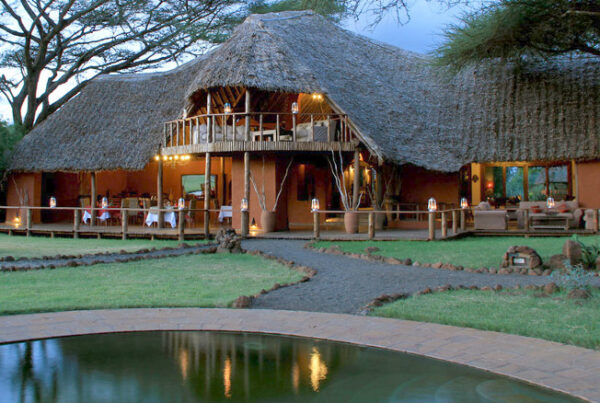
Pemba Island’s accommodation concentrates on the island’s western coast, where the dive sites and calm leeward water conditions of the Pemba Channel suit the tourist infrastructure that has developed slowly over the past two decades. Fundu Lagoon on the island’s western shore provides the most comprehensive luxury offering — tented bungalows on stilts above the tidal zone, a dive centre with internationally certified instruction and equipment, and a restaurant that sources from the island’s daily fish markets. The Swahili House at Wambaa, a boutique property of six rooms in a converted village house, provides a more genuinely embedded island experience at a lower price point but with less comprehensive dive infrastructure and a more self-organised activity approach.
Getting to Pemba requires a flight from Zanzibar International Airport to Pemba’s Karume Airport — a 30-minute Coastal Aviation or Auric Air service that operates multiple daily departures at approximately USD 100 to USD 150 per person one way. The alternative sea route from Zanzibar Town by Azam Marine ferry takes four to six hours and represents the budget option but adds significant transfer time to a destination that most visitors reach after an already complex journey from the safari circuit. Most specialist Pemba visitors fly and accept the cost as the necessary price of reaching an island whose dive sites no amount of additional complexity fully prepares you for experiencing.
Planning a Pemba Island Trip
Who Should Visit and When
Best Time to Visit Pemba for Diving
Pemba Island’s best dive conditions concentrate in the dry season from June through October and in the short dry window of December through February, when water clarity reaches its annual maximum. Manta ray encounters peak from May through September when feeding currents bring plankton to the channel’s surface and concentrate along the western coast’s cleaning stations. Hammerhead sharks frequent the channel most reliably during the southeast monsoon months of June through September when current patterns along the wall match their preference for upwelling-driven water movement. Planning a Pemba dive trip around specific target species requires matching travel dates to each species’ known seasonal concentration patterns in the channel.
Pemba Island suits travellers with specific underwater interests more than the general beach tourist who wants consistent sunshine and calm water throughout a week’s stay. The island’s open ocean exposure means that dive conditions change with wind and current more dramatically than enclosed coastal sites or sheltered atolls. A week at Pemba may include two or three days of exceptional diving alongside a day or two where conditions reduce the available sites to the island’s most sheltered locations. This variability is not a flaw but a feature for serious divers who understand that the open-ocean dynamics that create the exceptional days also occasionally limit access — accepting this trade-off is the prerequisite for visiting a destination that most Indian Ocean divers describe as the best they have ever dived.
Plan Your Safari
Pemba Island visits require advance accommodation booking at the island’s limited properties, flight coordination through Zanzibar, and dive centre registration that confirms equipment availability and guide allocation before arrival. African Wild Trekkers coordinates Pemba extensions for dedicated dive travellers following Kenya or Tanzania safari circuits, managing the multi-leg logistics as a single package.
The Pemba extension covers flights from Zanzibar to Pemba, accommodation at Fundu Lagoon or alternative Pemba properties, dive centre bookings with species-specific site selection based on your target marine life, and return connections to your international departure point. Non-diving companions are accommodated with kayak, snorkel, and island exploration alternatives throughout the stay.
Contact African Wild Trekkers at africanwildtrekkers.com/contact with your diving interests and travel dates and we will design your Pemba Island extension within 24 hours.