Rwanda’s Gorilla Families in Volcanoes National Park: Everything You Need to Know
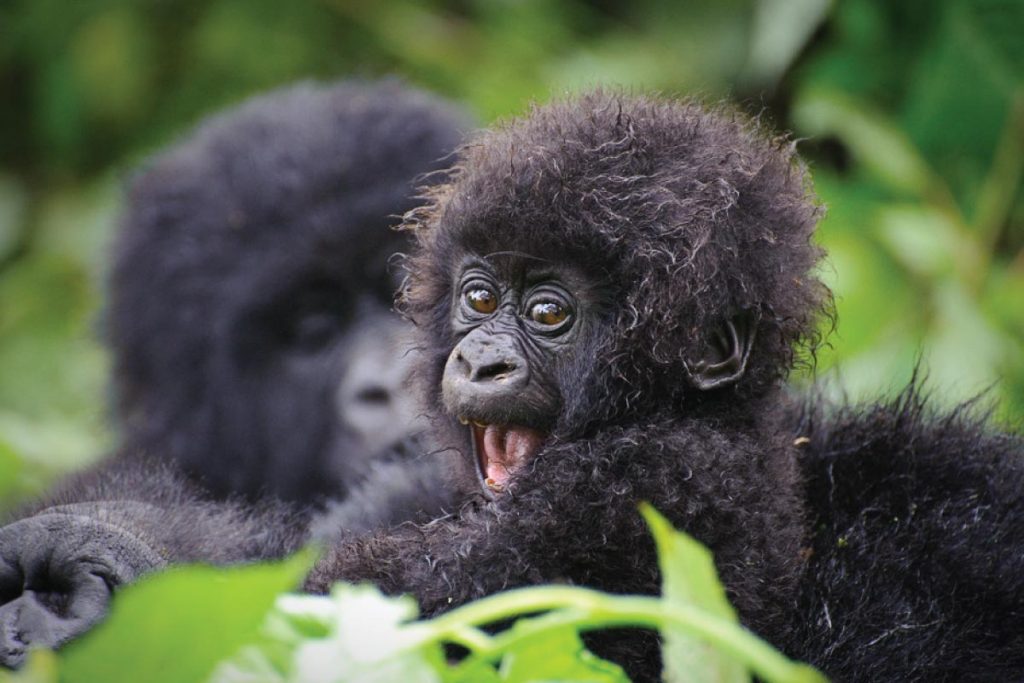
Rwanda gorilla families Volcanoes National Park currently includes 12 habituated mountain gorilla groups available for daily trekking visits. Each family carries its own history, territory, silverback leadership structure and behavioural personality developed over years of researcher and ranger contact. Understanding the families before you trek adds depth to the encounter and helps you engage with what you observe rather than simply reacting to the visual spectacle of the gorillas in front of you.
How Gorilla Family Assignments Work
The Morning Assignment Process
Rwanda Development Board does not allow visitors to request specific gorilla families in advance for standard permit bookings. All trekking groups assemble at Kinigi park headquarters at 7am and Rwanda Development Board rangers assign each group to a specific family based on that morning’s tracker reports, group fitness assessments from the ranger team and the day’s permit allocation across all 12 families. This assignment process ensures that each family receives the appropriate number of visitors — a maximum of eight per family per day — without overloading any single group with more human contact than gorilla welfare guidelines permit. Accept your assigned family with openness — every habituated family in Volcanoes has delivered extraordinary encounters and no assignment is a disappointment.
How to Improve Your Assignment Outcome
While direct family requests are not accepted for standard permits, African Wild Trekkers communicates specific client preferences and physical fitness information to Rwanda Development Board rangers before each trek day. Rangers factor this information into their assignment decisions where permit allocation allows flexibility. Clients with limited mobility often receive assignments to families at lower elevation positions. Photography-focused clients can be flagged for families currently in more open terrain. This advance communication does not guarantee a specific family but meaningfully improves the probability that your assignment aligns with your specific interests and physical capability.
Notable Gorilla Families at Volcanoes
Susa Group: Rwanda’s Most Famous Family
The Susa Group is Rwanda’s most historically significant gorilla family — the group that Dian Fossey studied most extensively during her 18 years at Karisoke Research Centre. The family was among the first habituated groups in Rwanda and at its peak numbered over 40 individuals, making it one of the largest habituated mountain gorilla groups ever documented. Susa has since split into two sub-groups — Susa A and Karisimbi — both of which remain habituated for trekking. Encounters with Susa groups often produce the deepest sense of historical connection for visitors who have read about Fossey’s work before their Rwanda trip.
Agashya and Umubano Groups
Agashya group gained international attention in 2008 when a silverback named Nyakamwe led a coup against the previous dominant silverback, overtaking the leadership of what was then called Group 13 and renaming the family group under his leadership — a natural succession event that researchers documented extensively. Umubano group splits its time between Rwanda and DRC, occasionally crossing the volcanic border ridge into Congolese territory before returning to Rwandan habituation zones. Both families deliver excellent encounters and are well accustomed to visitor presence after many years of daily ranger and tourist contact.
What Happens During a Gorilla Encounter
The First Moments With the Family
The lead ranger signals the start of your one-hour encounter when you reach the gorilla family’s position. Rangers position your group in a semicircle facing the gorillas at the 8-metre minimum distance. Silverbacks typically continue feeding, resting or moving through the vegetation with complete indifference to human presence — this indifference is the result of years of careful habituation work and makes the encounter feel genuinely natural rather than staged. Females with infants often move closer than the minimum distance on their own initiative. Juveniles occasionally approach the visitor group out of curiosity before their mothers retrieve them. The ranger manages positioning throughout the hour without disturbing the gorillas’ natural behaviour.
Encounter Rules That Protect Both Species
Maintain the 8-metre minimum distance at all times — rangers enforce this actively but gently. Crouch or sit when gorillas are nearby to appear less threatening and less humanoid in silhouette. Avoid direct prolonged eye contact with silverbacks, which gorillas read as aggression signals. Do not eat, drink or use flash photography during the encounter. Wear your face mask — Rwanda requires masks during gorilla encounters to reduce respiratory disease transmission risk. Move slowly and quietly, keeping conversation to whispers. These rules exist to protect mountain gorilla health and welfare, and following them reliably produces better quality encounters because undisturbed gorillas display more natural behaviour for longer.
Plan Your Safari
We Communicate Your Preferences to Park Rangers in Advance
Contact African Wild Trekkers at africanwildtrekkers.com/contact with your travel dates and any specific family interests or fitness considerations. We relay this information to Rwanda Development Board rangers before your trek day and brief you thoroughly on what to expect from each family assignment scenario.
What Your Package Covers
Your gorilla permit, all park fees, private vehicle, lodge accommodation, full-board meals and airport transfers are all included in your confirmed package price before your deposit. Porter hire at the trailhead is arranged on request at transparent additional cost.
Request Your Rwanda Gorilla Safari Quote
We respond within 24 hours every day and deliver your personalised itinerary within three working days. Reach us at africanwildtrekkers.com/contact.