Rwanda Nightjar Species: Finding These Cryptic Night Birds
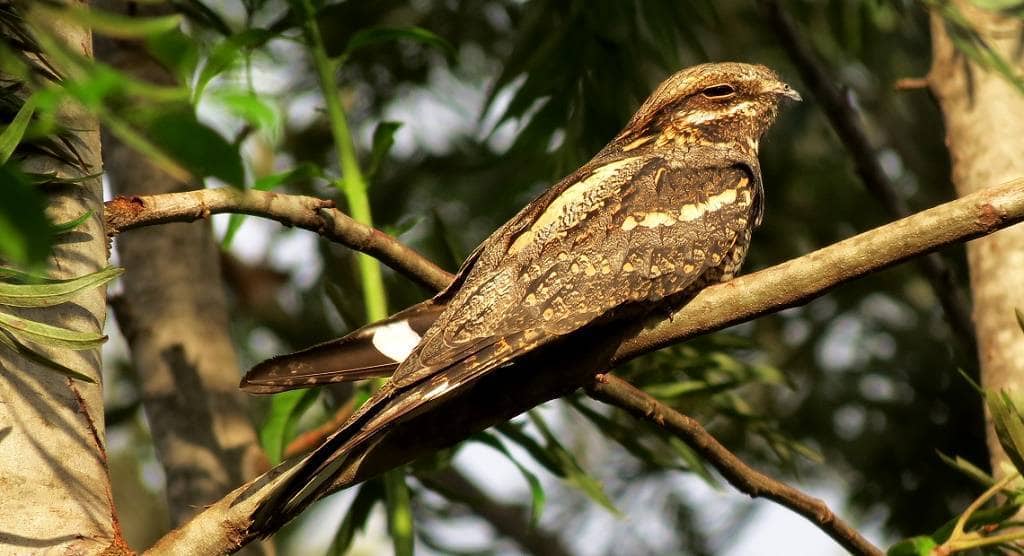
Nightjars are among Africa’s most mysterious and difficult-to-find birds. Rwanda hosts several nightjar species across its forests, mountains, and savanna habitats. Their camouflage, nocturnal habits, and ground-roosting behavior make them challenging even for experienced birdwatchers. During the day, they disappear into their surroundings because their patterned feathers blend perfectly with leaves, soil, and tree bark. At night, their haunting calls, silent hunting flights, and bright eyeshine create unforgettable wildlife encounters for visitors exploring Rwanda after dark.
Nightjars belong to the Caprimulgidae family and occur on every continent except Antarctica. These specialized birds feed mainly on moths and other flying insects captured during nocturnal flights. Their wide mouths and strong sensory bristles help them catch prey in complete darkness. During night walks, guides usually locate them by listening for their calls before searching for the reflection of their eyes under a spotlight. Finding a nightjar requires patience, good habitat knowledge, and an experienced guide familiar with their behavior.
Nightjar Species in Rwanda
Rwenzori Nightjar in Nyungwe Forest
The Rwenzori nightjar is one of Rwanda’s most sought-after nightjar species. This Albertine Rift endemic occurs only in the high mountain forests of Uganda, Rwanda, and Burundi. In Rwanda, Nyungwe Forest provides the best opportunity to search for this rare bird. The dense montane rainforest, high-altitude environment, and limited range make the species a major target for specialist birders visiting the country.
Finding the Rwenzori nightjar requires a carefully planned night walk with an experienced local guide. Guides who understand the bird’s calls and preferred areas greatly increase the chances of an encounter. Nyungwe’s forest trails offer the ideal setting because visitors can search for nightjars while also looking for other nocturnal species. These include owls, tree hyraxes, and other creatures that become active after sunset.
Montane Nightjar in Volcanoes National Park
The montane nightjar occurs in the higher elevations of Rwanda’s northern volcanic region. It inhabits montane forest edges, bamboo zones, and upper elevation habitats around Volcanoes National Park. Many visitors focus on gorilla trekking and volcano hiking, but birders who spend extra time in the area can search for this high-altitude specialist during evening walks.
The best opportunities come from staying near the park and exploring suitable habitats after dark with a knowledgeable guide. The combination of volcanic landscapes, mountain forests, and rare birds makes Volcanoes National Park an exciting destination for visitors interested in Rwanda’s nocturnal wildlife.
Square-Tailed Nightjar in Akagera National Park
The square-tailed nightjar is one of the easier nightjars to encounter in Rwanda because it lives in open savanna and woodland habitats. Akagera National Park provides the best environment for finding this species. During night drives, these birds often sit on roads and open tracks where they hunt insects attracted by the warm evening conditions.
Spotlights reveal their distinctive eyeshine before the bird takes flight. When disturbed, the square-tailed nightjar displays its characteristic wing and tail patterns. Night drives in Akagera combine these bird encounters with opportunities to see nocturnal mammals such as hippos, bushbabies, and predators moving through the park after dark.
Finding Nightjars During Rwanda Night Walks
The best way to search for nightjars in Rwanda is through guided night activities in suitable habitats. Nightjars become most active shortly after sunset when insect activity increases. Their calls provide the first clue because many species are easier to identify by sound than appearance. Once a call is located, guides use a spotlight to search for the bird’s eye reflection before carefully approaching for observation.
Nyungwe Forest offers one of Rwanda’s most rewarding night wildlife experiences. Guided night walks allow visitors to explore the rainforest after dark while searching for nightjars and other nocturnal species. The experience creates a completely different perspective of the forest. Sounds that remain hidden during daylight become dominant, and every movement in the vegetation creates a sense of discovery.
Akagera National Park also offers night drives that provide excellent opportunities for nocturnal bird and wildlife encounters. These drives explore savanna and woodland habitats using spotlights to locate active animals. While visitors often focus on mammals during night drives, nightjars and owls provide some of the most memorable sightings for bird enthusiasts.
Nightjar Identification Tips
Identifying nightjars in Rwanda requires attention to several details. The color patterns on the wings and tail, the presence of throat markings, and the bird’s call all help separate different species. Since encounters often happen briefly under torchlight, sound identification remains one of the most reliable methods. Experienced birders usually learn nightjar calls before visiting Rwanda because vocal recognition greatly improves identification success.
Daytime sightings are much harder because nightjars rely on camouflage to avoid detection. They often rest on the ground or low branches where their feathers blend with natural surroundings. A guide who knows a regular roosting location may reveal a resting bird during the day. These encounters provide excellent photography opportunities while showing the remarkable camouflage that protects nightjars from predators.
Plan Your Rwanda Nightjar Experience
Nightjar observation requires careful planning within a Rwanda birding itinerary. Nyungwe night walks and Akagera night drives should be arranged in advance because they depend on park schedules, guide availability, and suitable conditions. Adding a nocturnal activity creates a more complete birding experience by revealing species and behaviors that remain hidden during daytime exploration.
African Wild Trekkers includes night walks and night drives in Rwanda birding itineraries for travelers who want to discover both daytime and nocturnal wildlife. We arrange activities that combine Rwanda’s forests, savannas, and rare bird habitats into a complete nature experience.
Contact African Wild Trekkers to plan a Rwanda birding safari that includes nightjar encounters, forest exploration, and the country’s remarkable bird diversity.