Semuliki Birding Site: Uganda’s Congo Basin Birding Frontier
The Semuliki birding site in western Uganda’s Semuliki National Park provides access to Congo Basin lowland forest species found nowhere else in the country. Semuliki National Park sits at the base of the Albertine Rift escarpment on the border with the Democratic Republic of Congo. The Semuliki birding site’s ituri forest habitat connects directly to the Congo Basin’s enormous lowland forest system. This geographic position makes the Semuliki birding site unique within Uganda. Species from the Congo lowlands penetrate Ugandan territory only at this single location. A visit to the Semuliki birding site adds 30 to 50 species to a Uganda country list that cannot be recorded anywhere else in the country.
The Semuliki birding site covers the lowland forest along the Semuliki River and around the Sempaya hot springs trail. This forest is tall, dense, and structurally different from the montane forests of Bwindi and Kibale. The canopy reaches 40 metres and shades a complex understorey of palms, herbs, and climbing plants. The Semuliki birding site rewards slow, patient walking rather than rapid covering of ground. Mixed-species feeding flocks move through the understorey and carry the highest species diversities in their passing minutes. Positioning ahead of a moving flock at the Semuliki birding site produces the greatest species encounter density of any morning’s birding.
Key Species at the Semuliki Birding Site
Hornbill Species at the Semuliki Birding Site
The Semuliki birding site holds the highest hornbill diversity in Uganda. Red-billed dwarf hornbill is the most distinctive Semuliki birding site species. This small hornbill is immediately conspicuous by its loud, distinctive call from the forest canopy. White-crested hornbill moves through the Semuliki birding site forest in small, noisy groups. Long-tailed hornbill is another large Semuliki birding site hornbill with a very limited Uganda range. Black dwarf hornbill inhabits the forest interior and is smaller and quieter than its red-billed relative. Piping hornbill is the largest hornbill at the Semuliki birding site and commands the upper canopy.
Studying the hornbill assemblage at the Semuliki birding site in a single morning produces all five or six hornbill species in one extended session. This concentration of hornbill species at one location is unmatched anywhere else in Uganda. Hornbills feed at fruiting trees and their fruit-searching movements bring them repeatedly to the same productive trees. Identifying a fruiting fig or palm at the Semuliki birding site and waiting beside it for an hour delivers the most efficient hornbill observation possible. Guides know the current fruiting tree locations at the Semuliki birding site and use them as focal waiting points.
Understorey Specialities at the Semuliki Birding Site
The Semuliki birding site understorey holds several secretive species that require specialised search tactics. Nkulengu rail inhabits dense ground vegetation near streams at the Semuliki birding site. This shy, ground-dwelling bird is heard far more often than seen. Guide call-back playback is the most effective tactic for locating Nkulengu rail at the Semuliki birding site. African pitta is the most celebrated understorey target at the Semuliki birding site. This brilliantly coloured, small bird lurks in the leaf litter and moves in rapid bursts between hiding positions. Locating African pitta at the Semuliki birding site requires specific guide knowledge of current territory.
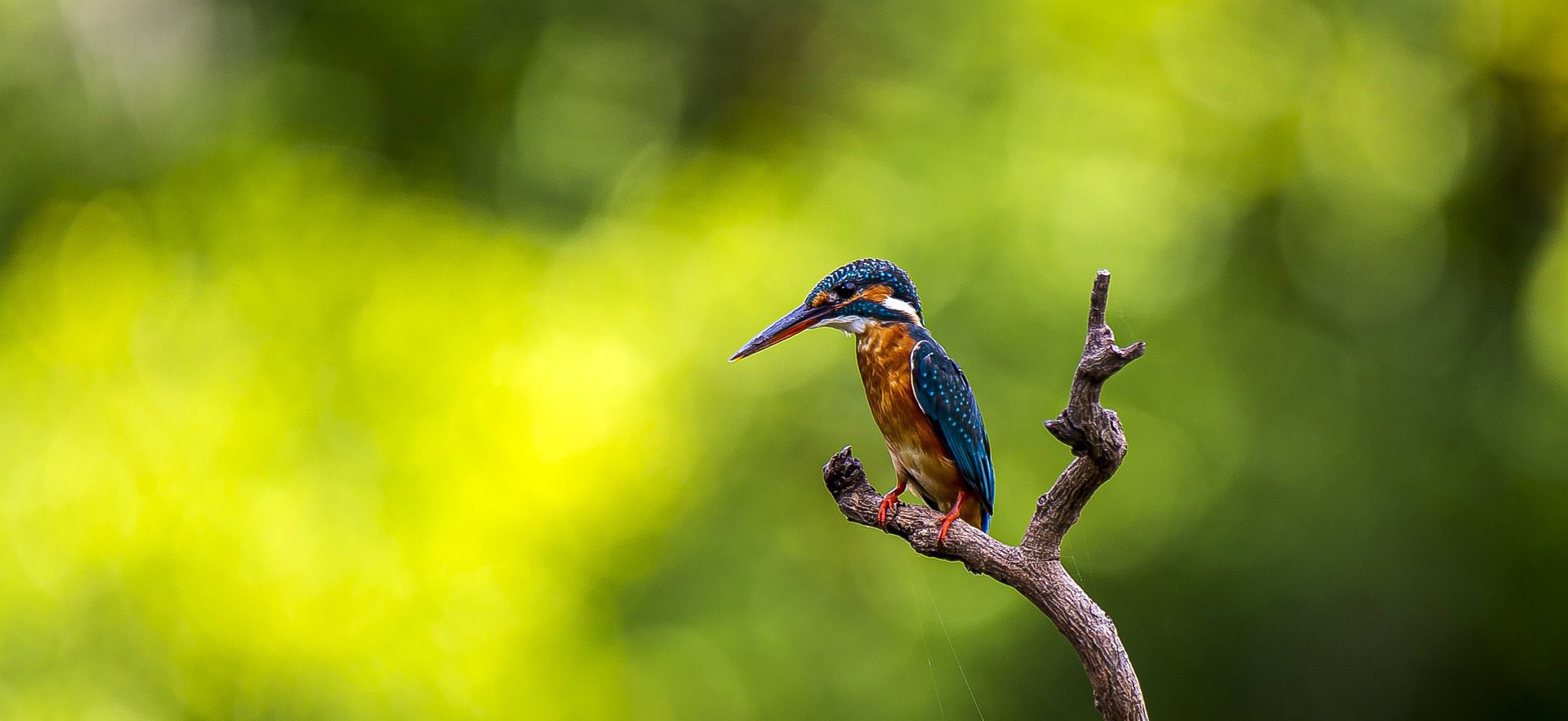
Shining blue kingfisher inhabits the stream edges at the Semuliki birding site. This small, very brightly coloured kingfisher perches at water level and dives for small fish. African dwarf kingfisher is another small forest kingfisher at the Semuliki birding site in the understorey away from water. The combination of three small kingfisher species at the Semuliki birding site includes shining blue, African dwarf, and chocolate-backed in a single morning walk. Few Uganda sites produce three understorey kingfisher species in a single morning. This kingfisher diversity alone justifies the Semuliki birding site as a standalone visit for dedicated birders.
Planning a Semuliki Birding Site Visit
Getting to the Semuliki Birding Site
The Semuliki birding site lies four hours from Fort Portal by paved and dirt road through the Semuliki Valley. The road from Fort Portal to the Semuliki birding site passes through the Toro-Semliki Wildlife Reserve. Birding from the vehicle along this drive can be productive before arrival at the park gate. The Semuliki birding site is most efficiently combined with a Fort Portal base and the Kibale and Bwindi birding programme. This creates a western Uganda circuit that includes all the key Albertine Rift birding destinations within one efficient route. Most visitors spend two nights at the Semuliki birding site before continuing the western Uganda circuit.
The Semuliki birding site accommodation option is Ntoroko Game Lodge or UWA bandas at the Sempaya hot springs gate. Ntoroko Game Lodge sits on Lake Albert and produces excellent water bird lists as a supplement to the forest Semuliki birding site programme. Lake Albert itself holds shoebill stork in the papyrus fringes and is worth a morning boat trip during any Semuliki birding site visit. The combination of the Congo Basin forest at the Semuliki birding site and the shoebill on Lake Albert creates the most diverse two-day birding programme available in western Uganda outside the Albertine Rift highlands.
Best Timing for the Semuliki Birding Site
The Semuliki birding site is most productive in the dry seasons of June to September and December to February. Forest birding during dry months allows clearer sightlines through the understory. Bird activity concentrates at fruiting trees during dry periods rather than dispersing across the forest. The rainy season brings breeding activity and higher overall bird calling frequency. African pitta is most vocal at the Semuliki birding site during the rains and locates more easily by call. Serious birders choose their Semuliki birding site visit timing based on their priority target species. The pitta warrants a rainy season visit while most other targets perform better in the dry season.
Leaving the Semuliki birding site accommodation at 06:00 captures the best morning birding window. The mixed-species flocks are most active between 06:30 and 10:00 at the Semuliki birding site. Midday heat and reduced bird activity allow a rest period between noon and 15:00. Afternoon birding from 15:30 to 18:00 targets the crepuscular species including nightjars and the African pitta’s evening call. A two-day Semuliki birding site programme covering two full morning and afternoon sessions produces the most comprehensive species list available to visiting birders at this site.
Plan Your Safari
Plan two full birding days at the Semuliki birding site to cover the Royal Mile, Sempaya trail, and riverine forest in productive morning and afternoon sessions. Combine the Semuliki birding site with a Lake Albert morning boat trip for shoebill stork. Stay at Ntoroko Game Lodge or UWA Sempaya bandas for direct site access.
African Wild Trekkers includes the Semuliki birding site in western Uganda birding circuits. We book specialist Semuliki guides, arrange accommodation, and design western Uganda programmes that cover Bwindi, Kibale, and Semuliki for the complete Albertine Rift and Congo Basin birding experience.
Contact African Wild Trekkers to visit the Semuliki birding site. We respond within 24 hours and design Uganda birding itineraries that include this exceptional Congo Basin window in the most efficient western circuit sequence.