Spoor Reading Guide Africa: How Expert Trackers Read Animal Footprints and Signs
A master tracker reads the ground the way a skilled reader reads a page. A set of lion tracks in damp sand reveals the animal’s sex, age, direction, and pace. It also tells the tracker how long ago the lion passed. An untrained observer sees only that a large cat walked here. The gap between these two levels of reading represents decades of observation and practice. Spoor reading is one of the most intellectually rich skills in the African bush.
The Five Elements of a Track
Every animal track carries five readable elements. First, the shape identifies the species. A lion’s round, retracted-claw print differs clearly from a leopard’s print, which differs again from a cheetah’s semi-extended claw mark. Second, the size within the species narrows the individual to sex and age. A dominant male lion produces a front pad width of 10 to 12 centimetres. A sub-adult male, however, produces 8 to 9 centimetres.
Third, the depth reveals the animal’s weight and travel rate. Deep prints indicate heavy animals or rapid movement. Fourth, the gait pattern stride length, straddle, and toe register shows whether the animal walked, trotted, or ran. Fifth, the substrate condition provides the temporal reference that ages the track. Together, these five elements build a complete picture from a single set of prints.
San trackers of southern Africa additionally describe a sixth element: the compression ring around the track edge. Fresh prints in moist sand show a sharp, unweathered ring. Older prints show a softened, partly collapsed ring. Dry, crumbling edges indicate prints several hours old. Moreover, wind erosion patterns filling the track from a specific direction confirm the wind history since the animal passed.
Reading the Full Trail
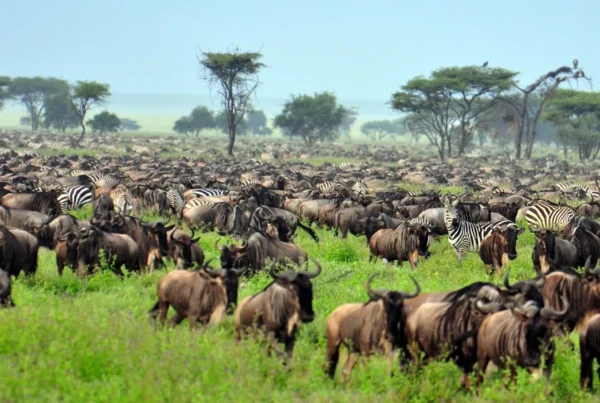
Individual tracks tell only part of the story. A full trail reveals far more. Lion tracks leading from a waterhole into dense bush, with wildebeest tracks converging from the opposite direction, and churned ground at the bush margin — together these tell the full story of a hunt. The lion positioned downwind. The wildebeest detected it at 20 metres and broke left. The lion charged. Whether it succeeded depends on what the tracker finds further into the bush.
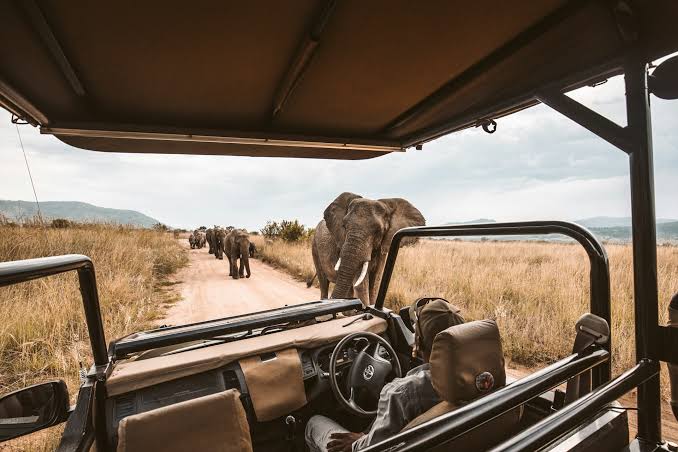
Furthermore, reading a full trail reveals social behaviour invisible in a snapshot observation. Elephant tracks with adult and juvenile prints, combined with drag marks in soft mud, reveal family group composition and approximate age structure. Identifying the same family group’s tracks across multiple days builds a detailed picture of their range and water source preferences.
Beyond Footprints: The Full Sign Vocabulary
Spoor reading extends well beyond footprints. Droppings identify species, diet, and approximate age. Fresh hyena dung is dark and moist. Old dung, however, turns white from bone calcium left after digestion. Feeding signs distinguish browsers from grazers stripped bark points to an elephant, while twisted grass identifies a hippo’s blunt-lipped feeding style. Additionally, claw marks on trees indicate territory height, identifying species and sex from the uppermost scratch.
Plan Your Safari
The best spoor reading experiences combine walking safaris with a dedicated tracking component. Tanzania’s Selous-Nyerere Reserve, Kenya’s Ol Kinyei and Naboisho conservancies, and South Africa’s Timbavati (accessible via extended itineraries) offer the most tracking-focused guides. When booking, ask specifically for guides with formal tracking training such as CyberTracker qualification.
African Wild Trekkers selects guides with the deepest tracking knowledge in each destination. Contact us to plan a walking and tracking-focused safari across East Africa’s finest wildlife areas.