Swahili Coast Culture in Kenya: Discover the Heritage of East Africa’s Coastal Communities
Explore the Rich Culture of Kenya’s Swahili Coast
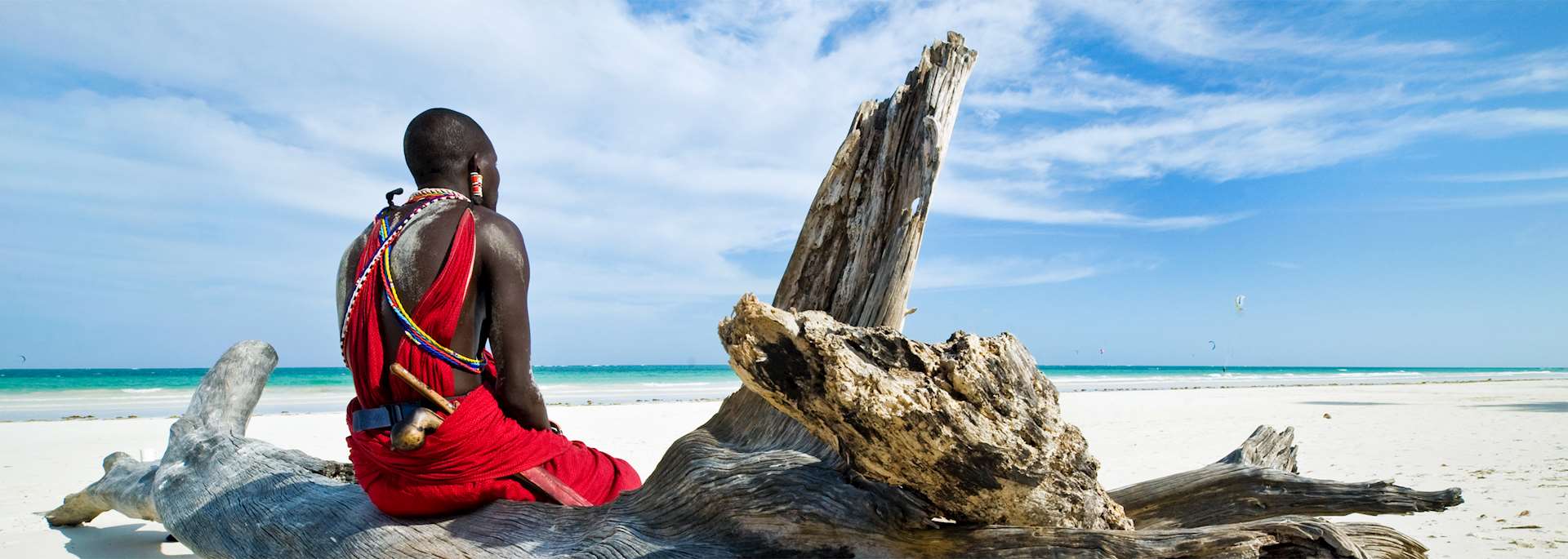
The Swahili Coast culture of Kenya is a beautiful blend of African, Arab, Persian, Indian, and European influences. Stretching along the Indian Ocean, this coastal region has been a center of trade, travel, and cultural exchange for centuries.
A journey along the Kenyan coast offers more than beautiful beaches. It introduces travelers to ancient towns, traditional music, delicious cuisine, historic architecture, and welcoming communities with deep connections to the ocean.
From Lamu to Mombasa, the Swahili Coast tells the story of a people shaped by the sea and centuries of interaction with the wider world.
The Origins of Swahili Culture
Swahili culture developed along the East African coastline through interactions between local African communities and traders from across the Indian Ocean. These connections created a unique identity reflected in language, traditions, food, and architecture.
The word “Swahili” comes from the Arabic word “sawahili,” meaning “of the coast.” Today, Swahili culture remains an important part of Kenya’s national heritage. The Swahili language, known as Kiswahili, is widely spoken across East Africa and connects millions of people across the region.
Discover Historic Coastal Towns
Kenya’s coastal towns preserve centuries of Swahili history. Mombasa is one of the oldest cities in East Africa and has been an important trading center for generations. The Old Town of Mombasa features narrow streets, historic buildings, traditional houses, and beautifully carved doors that reflect the region’s diverse influences.
Lamu Old Town is another important cultural destination. Its preserved architecture, traditional dhow boats, and peaceful streets offer visitors a glimpse into the traditional Swahili way of life.
Traditional Swahili Architecture
Swahili coastal architecture reflects the region’s history and cultural connections. Many old buildings were constructed using coral stone, mangrove poles, and traditional techniques adapted to the coastal environment.
Carved wooden doors are among the most famous features of Swahili architecture. Their designs often represent family identity, wealth, and artistic creativity.
Walking through coastal towns allows visitors to discover buildings that carry stories from many generations.
Experience Swahili Food and Flavors
Food is an important part of Swahili culture. Coastal cuisine combines African ingredients with Arab, Indian, and Persian influences. Visitors can enjoy dishes prepared with fresh seafood, coconut, spices, rice, and tropical fruits. Popular flavors include cloves, cardamom, cinnamon, and other spices that reflect the region’s long trading history.
Sharing a meal with local communities provides a deeper connection to coastal traditions.
Traditional Music and Dance
Music and dance remain important expressions of Swahili identity. Traditional performances often feature drums, songs, and dances that celebrate community, history, and important occasions. The taarab music style is one of the most famous cultural expressions along the coast. It combines African rhythms with influences from Arabia and other regions.
Visitors can experience these performances during cultural events, festivals, and community celebrations.
The Importance of the Indian Ocean
The ocean has always shaped Swahili Coast culture. For centuries, traders used traditional dhow boats to travel across the Indian Ocean, connecting Kenya with Arabia, India, and other regions. Fishing, sailing, and maritime trade remain important parts of coastal life. Many communities continue to maintain strong relationships with the sea.
The ocean is not only a source of income but also a symbol of cultural identity.
Swahili Traditions and Community Life
Family, hospitality, and respect play important roles in Swahili communities. Visitors often experience warm welcomes and learn about traditions that guide social relationships. Community celebrations, weddings, and religious events bring people together and help preserve cultural practices.
These traditions continue to connect younger generations with their heritage.
Best Places to Experience Swahili Coast Culture in Kenya
Travelers can explore Swahili culture in destinations such as Mombasa, Lamu, Malindi, Kilifi, and Watamu. Each location offers a unique combination of history, nature, and coastal traditions.
Many visitors combine cultural experiences with beach holidays, marine activities, and wildlife safaris in nearby national parks.
Why Experience Swahili Coast Culture?
A Swahili Coast cultural experience allows travelers to discover a different side of Kenya. It reveals the stories, traditions, and people behind the famous beaches and ocean views.
The region’s history shows how different cultures can connect and create something unique. Every town, meal, song, and building reflects the journey of the Swahili people.
Plan Your Swahili Coast Culture Experience
Discover Kenya’s coastal heritage through historic towns, traditional cuisine, music, architecture, and local interactions. A Swahili Coast culture tour offers a meaningful journey into one of East Africa’s most diverse and fascinating cultural regions.
Beyond the beaches lies a world of history, traditions, and unforgettable experiences waiting to be explored.