Plains Zebra Facts: Stripes, Social Life and Migration in East Africa
The plains zebra is Africa’s most abundant wild equid. Approximately 500,000 individuals live across sub-Saharan Africa, with the largest populations in East Africa’s savanna ecosystems. It is the engine of the great migration—outnumbering wildebeest on the migration’s northern arc. It is ecologically central to East Africa’s grazing communities. And the evolutionary puzzle of its stripes has generated over a century of scientific debate.
Why Stripes? The Long Debate
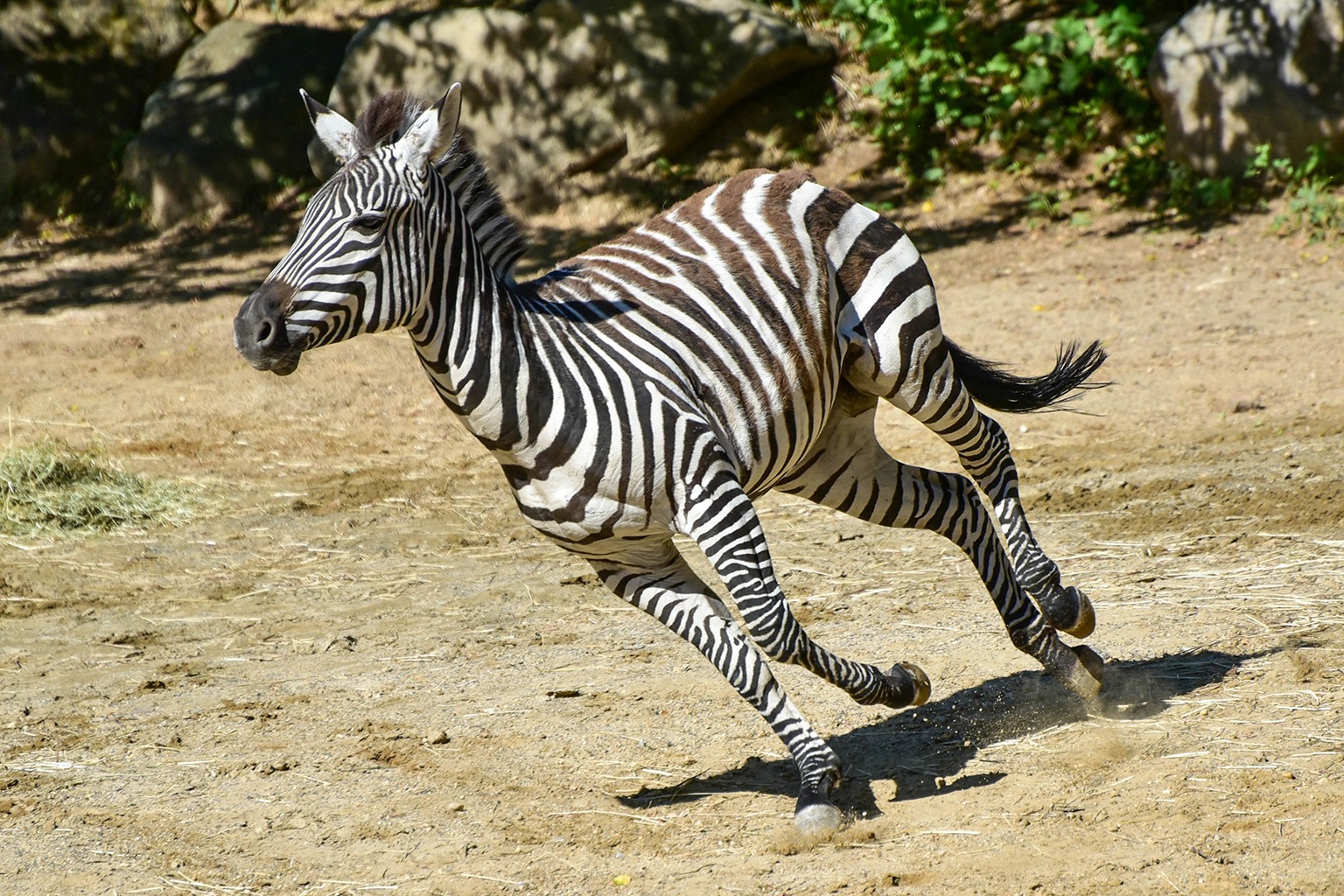
Five main hypotheses have been proposed to explain zebra stripes: camouflage, heat management, species recognition, ectoparasite deterrence, and confusion of predators. Research from the 2010s has produced the strongest evidence for any single explanation. Work published by Tim Caro and colleagues showed that flies land on zebras at much lower rates than on horses of similar body size in the same environments. The stripes appear to disrupt the fly’s visual landing system at close approach distances.
Horse flies and tsetse flies carry disease and cause blood loss. In East Africa’s tsetse zones, biting fly pressure is a genuine health burden. A coat pattern that reduces fly-landing rates by 50 percent provides a real fitness advantage across a lifetime. The stripe-as-fly-deterrent hypothesis now has the best experimental support of any of the five alternatives, though researchers continue to investigate whether multiple explanations contribute simultaneously.
Social Structure: The Harem and the Bachelor
Plains zebras live in stable family groups called harems. A harem consists of one adult stallion, two to six mares, and their foals. The stallion defends his mares from rival males through aggressive displays and fighting. Biting and kicking battles between stallions produce visible wounds. The dominant stallion’s position within the harem is challenged continuously by bachelor males and by younger members of bachelor herds that form alongside family groups.
Mares within a harem have a stable rank hierarchy among themselves. The highest-ranking mare leads the group’s movements. The stallion follows the group rather than leading it — a common misunderstanding. He controls access to the group from outside, but the group’s direction of travel is determined by the dominant mare. This split between social control and directional leadership is shared with many ungulate species.
Migration: The Zebra’s Annual Circuit
Plains zebras in the Serengeti-Mara ecosystem participate in one of the world’s great animal migrations. In the wet season, vast numbers concentrate on the southern Serengeti short-grass plains. As the plains dry in May and June, zebra herds begin moving northward—ahead of the wildebeest. The zebra’s digestive system handles tall, fibrous grass that wildebeest cannot extract sufficient nutrition from. The zebras mow the tall grass down, and the wildebeest follow into the improved, shorter sward behind them.
This grazing facilitation between zebra and wildebeest is one of the key mechanisms driving the Serengeti’s exceptional herbivore biomass. By processing the same grass in sequence, the two species extract more total energy from the grassland than either could alone. The zebra opens the grazing path; the wildebeest follows.
Predator Response
Plains zebras are prey for lions, spotted hyenas, wild dogs, and crocodiles. Their primary defense is flight. A fleeing zebra reaches 65 kilometers per hour and can sustain this speed longer than most lion prides can pursue. When cornered, a stallion kicks with both hind hooves simultaneously. A kick from an adult stallion carries enough force to break a lion’s jaw.
The herd provides collective vigilance. Multiple individuals scanning simultaneously reduces each individual’s predation risk. The visual confusion created by stripes moving together — stripes merging and separating as the herd runs — may make it difficult for a pursuing predator to focus on and isolate a single individual target at speed.
Plan Your Safari
Plains zebras are abundant in every major East African ecosystem. The Serengeti and Maasai Mara offer the best migration-context sightings. The Ngorongoro Crater holds a large permanent resident population. Kenya’s Amboseli and Tanzania’s Tarangire provide excellent harem watching in relatively small-scale, accessible landscapes. Watching the plains zebra migration arc through the Mara between July and September is one of East Africa’s iconic wildlife spectacles.
African Wild Trekkers designs Kenya and Tanzania migration safaris timed to the zebra and wildebeest northern arc. Contact us to plan a Serengeti-Mara migration safari.