Tanzania and Botswana: Serengeti Migration Then Okavango Delta
Tanzania and Botswana together create what many experienced African safari travelers consider the continent’s finest combined wildlife itinerary. It delivers the scale—the Serengeti’s vast plains, the Great Wildebeest Migration, and the Ngorongoro Crater—while Botswana delivers the intimacy and exclusivity of the Okavango Delta’s mokoro channels, private concessions with no vehicle concentrations, and predator populations of extraordinary quality.
The two countries approach wildlife tourism from completely different philosophies, and experiencing both in sequence transforms the understanding of what African safaris can be.
Why Tanzania and Botswana Form the Perfect Pairing
Volume and Intimacy
Tanzania’s Scale and Spectacle
Tanzania is the place to go for spectacle at scale. The Great Wildebeest Migration involves 1.5 million wildebeest, 500,000 zebras, and 200,000 Thomson’s gazelles moving in a continuous circuit through the Serengeti-Masai Mara ecosystem—a biomass movement so large it is visible from space and audible from kilometers away during the river crossing season.
The Ngorongoro Crater holds more large mammals per square kilometer than anywhere else on earth. Tarangire’s elephant herds number in the hundreds during the dry season, gathering at the river in groups that stretch across the floodplain in both directions. Tanzania’s parks manage wildlife tourism at a massive scale, and this scale is their greatest strength.
The trade-off for Tanzania’s scale is the presence of other safari vehicles at the most dramatic wildlife moments. River crossings in the northern Serengeti attract multiple vehicles from both the Tanzania and Kenya sides of the Mara River, and the most famous locations see significant vehicle concentrations during peak season.
The Ngorongoro Crater in the morning shares the view with other operators, and popular pride sightings in the central Seronera corridor can draw a queue of vehicles. This does not diminish the wildlife itself, but it changes the character of the experience from solitary encounter to shared spectacle—which is still extraordinary, but different from what Botswana delivers.
Botswana’s Exclusive, Intimate Safari Model
Botswana has structured its entire tourism economy around the principle of low-volume, high-value exclusivity. The country limits the number of tourists who can access the Okavango Delta and Chobe National Park through strict concession agreements that cap the number of vehicles per game drive area and the number of beds per camp.
The result is a safari experience where you might spend an entire morning following a wild dog pack through the Delta’s floodplains without seeing another vehicle. In the Linyanti Marshes, a private concession camp might send out three vehicles per drive across a concession the size of a European country’s national park.
Botswana’s Okavango Delta offers wildlife activities unavailable in Tanzania’s parks: mokoro canoe trips through the papyrus channels; guided walking safaris on the Delta islands; night game drives from private concession camps; and boat-based game drives on the floodplain channels where hippos and crocodiles are viewed from water level.
The combination of vehicle, mokoro, boat, and walking creates a multidimensional wildlife experience that a single-country Tanzanian safari cannot offer. Botswana’s elephant population is the largest in Africa—the country holds more than 130,000 elephants—and encounters with elephant herds at a waterhole in Chobe or crossing the Delta channel beside a mokoro are among the continent’s most intimate wildlife moments.
The Tanzania-Botswana Itinerary
Routing and Logistics
Connecting Tanzania and Botswana
Tanzania and Botswana have no direct flight connection, making Nairobi or Johannesburg the standard transit hub between the two destinations. Most travelers fly from Kilimanjaro to Johannesburg and then connect to Maun—the gateway town for the Okavango Delta—on a two-hour direct flight. The Johannesburg layover typically runs two to four hours, and the total journey time from the Serengeti to an Okavango Delta camp is one full travel day, including the Kilimanjaro departure, the Johannesburg connection, the Maun arrival, and the light aircraft flight from Maun into the Delta’s bush airstrips.
Most operators plan the first Delta camp night as a comfortable arrival evening rather than a full game drive day, which allows time for the journey without wasting a game drive slot.
Alternatively, travelers with more time can break the journey with a night in Johannesburg, using the layover to visit the Apartheid Museum or the Lion and Safari Park before heading to Botswana the following morning. This adds a day to the itinerary but removes the pressure of a tight connection in Johannesburg, particularly on days when Kilimanjaro or East Africa flights run late.
African Wild Trekkers manages the Tanzania component and coordinates with licensed Botswana partners for the Delta and Chobe bookings, delivering a single-operator experience across the full circuit.
Ideal Duration for Tanzania-Botswana
A Tanzania-Botswana combined trip works best over fourteen to sixteen days. Seven days in Tanzania—Serengeti with three nights, Ngorongoro with one night, Tarangire with one night, and Zanzibar optional—and seven days in Botswana covering three nights in the Okavango Delta and three nights in Chobe or the Linyanti marshes deliver both countries without compromise.
The Delta requires at least three nights to experience the full range of activities—mokoro, walking, boat driving, and vehicle driving—and the elephant-rich Chobe or predator-rich Linyanti adds a meaningfully different Botswana ecosystem to the Delta’s wetland environment.
Fourteen days is achievable if both countries’ components are focused rather than expansive. Sixteen days—with an extra Serengeti night and an extra Okavango Delta night—feels genuinely unhurried and is the recommended duration for travelers who do not want to feel that either destination was compromised.
The Tanzania migration calendar and the Botswana Delta flood cycle should inform the timing of any combined booking, and African Wild Trekkers advises on the optimal window based on both systems’ seasonal patterns in the year of travel.
Botswana’s Wildlife Highlights
Delta, Chobe, and Predators
Okavango Delta Game Viewing
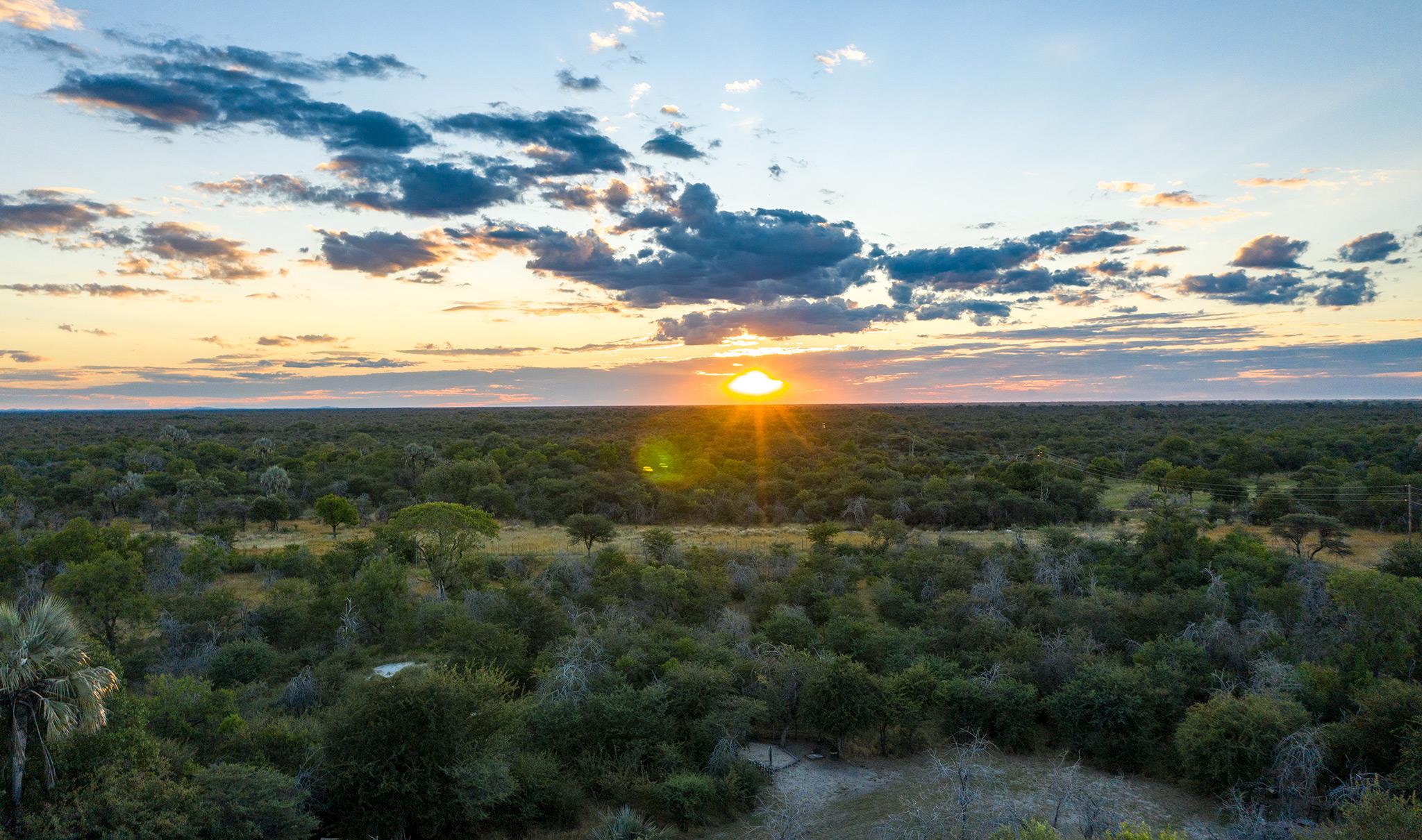
The Okavango Delta is a UNESCO World Heritage Site and the world’s largest inland delta—a river system that flows not into an ocean but into the Kalahari Desert, spreading across 15,000 square kilometers of channels, islands, floodplains, and palm groves. The Delta floods annually from Angolan rainfall that arrives in Botswana’s dry season, creating a wildlife concentration effect as animals pour into the floodplain margins to access permanent water and lush vegetation.
This reverse flood cycle means that Botswana’s best wildlife viewing in the Delta coincides with Tanzania’s dry season, making a June-to-September combined itinerary ideal for both destinations simultaneously.
The Delta’s wildlife list includes the same big five as Tanzania’s parks—lion, leopard, elephant, buffalo, and rhinoceros—plus hippos in every channel, sitatunga in the papyrus beds, lechwe on the floodplain margins, and wild dogs in the private concessions where populations are carefully protected.
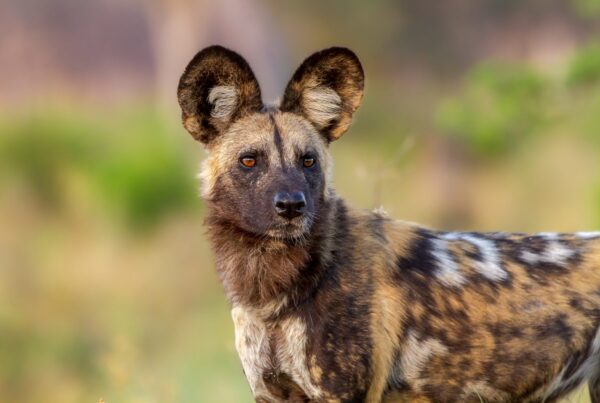
The wild dog, one of Africa’s most endangered large predators and one that Tanzania’s parks rarely deliver with the same reliability, is a particular Botswana highlight. Delta concession camps in wild dog territory offer dawn vehicle drives that track the pack’s morning hunt, resulting in some of Africa’s most adrenaline-charged wildlife viewing.
Chobe National Park’s Elephant Spectacle
Chobe National Park on Botswana’s northern border hosts the continent’s highest concentration of elephants—the Chobe River frontage during the dry season draws herds of fifty to two hundred elephants to drink and bathe in scenes that exceed even Tarangire’s elephant numbers. Boat-based game drives on the Chobe River allow views of elephant herds swimming the river channel, buffalo drinking at the bank, and hippos basking on midday sandbars from a boat position at water level.
This combination of water-level perspective and sheer elephant numbers creates wildlife photography opportunities that land-based safaris anywhere on the continent cannot replicate.
Chobe also adds lions and leopards to the Tanzania-Botswana circuit, with the riverfront area hosting prides of lions that specialize in hunting buffalo and young elephant calves during the dry season’s drought. The Savute area within Chobe is famous for elephant-hunting lions—large prides that have learned to bring down adult elephants, a behavior National Geographic has documented and that observers almost never witness elsewhere.
A Savute night or two within the Chobe component of a Tanzania-Botswana circuit delivers the possibility of witnessing one of Africa’s most extraordinary predator behaviors.
Plan Your Safari
Tanzania and Botswana together create an Africa safari itinerary that covers the continent’s most celebrated wildlife spectacles in a format that alternates scale with intimacy. African Wild Trekkers manages the full Tanzania component and coordinates the Botswana leg through licensed in-country partners, delivering unified logistics from the Serengeti to the Okavango Delta without transferring clients to unfamiliar operators mid-trip. The team advises on seasonal timing for both destinations and confirms camp availability in both countries before any deposit is taken.
Every Tanzania-Botswana booking includes pre-departure documentation for both countries covering the Kilimanjaro-to-Botswana transit logistics, Delta mokoro activity briefing, Chobe boat drive scheduling, and return flight coordination.
The team stays contactable throughout the trip and has contingency plans for the Delta’s seasonal aircraft schedule variations. Clients travel with confidence that every detail is confirmed and managed.
Contact African Wild Trekkers at africanwildtrekkers.com/contact with your Tanzania-Botswana travel dates, and we will build a personalized two-country itinerary covering the Serengeti and the Okavango Delta within 24 hours.