Tanzania Solo Safari: How to Travel Independently Across Tanzania’s Parks
A Tanzania solo safari is entirely achievable and in some respects more rewarding than group travel. The game drive is yours alone. The guide’s attention is undivided. The decision of when to stay at a sighting and when to move is yours in consultation with the guide rather than a consensus of six passengers with different interests. The primary challenge of solo Tanzania safari travel is cost. The vehicle, the guide, the park fees, and most of the camp infrastructure carry fixed costs regardless of how many people use them. Understanding how solo travellers manage this economics — through shared vehicle options, seasonal pricing, and smart destination choices — is the key to making a solo Tanzania safari affordable without compromising the experience.
The Solo Safari Economics
Costs and How Solo Travellers Manage Them
The Single Supplement Issue
Most Tanzania safari camps charge a single supplement for solo travellers who occupy a room or tent that the camp prices for two. Single supplement rates vary between 30 and 100 percent of the double-occupancy rate, and at the luxury tier this supplement can add USD 300 to USD 600 per night to the cost. The camps charge this because providing accommodation, meals, and staff for one person costs nearly the same as providing them for two. Some camps have begun moving away from single supplement charges to attract solo travellers, particularly outside the high season. African Wild Trekkers specifically identifies camps that charge reduced or zero single supplements for solo clients.
The guide and vehicle cost is the second major solo traveller expense. A private vehicle for one person costs the same as for two or four — the guide’s daily rate, the vehicle’s fuel and maintenance, and the park vehicle fee are all per-vehicle rather than per-person. Solo travellers on a per-person basis pay significantly more for private vehicle guiding than travellers sharing a vehicle with companions. The alternatives are shared vehicle safaris — where several independent travellers book the same vehicle and split the cost — or joining a small group departure that combines multiple solo clients in one vehicle. Both alternatives reduce cost significantly but introduce the compromises of a shared vehicle’s group decision-making.
Shared Vehicle Options for Solo Travellers
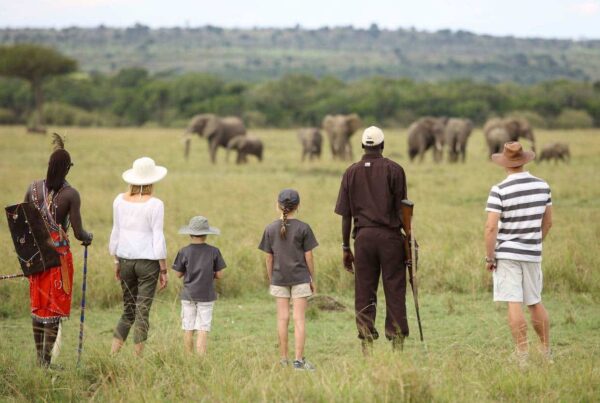
Several Tanzania operators specifically cater to solo travellers by running small group departures with fixed dates that combine independent travellers into groups of four to eight sharing a vehicle. These departures operate on the standard northern circuit — Serengeti, Ngorongoro, Tarangire — on a schedule that allows solo travellers to book a seat rather than an entire vehicle. In 2026 small group shared vehicle safaris in Tanzania cost approximately USD 200 to USD 350 per person per day for mid-range camp accommodation, compared to USD 400 to USD 600 per person per day for the same accommodation on a private vehicle basis. The saving is substantial, and the group dynamic — meeting like-minded travellers who have also chosen solo international safari travel — is frequently a positive rather than a negative aspect of the experience.
The limitation of shared vehicle safaris is the compromise on individual decision-making that the private vehicle eliminates. If four people share a vehicle and one wants to stay at the leopard sighting longer than the others, the group must negotiate. The pace, the routing, and the interpretation target the group’s collective interest rather than any individual’s specific wishes. Solo travellers with a specific wildlife target in mind — seeing wild dogs, prioritising photography, wanting very long stays at specific sightings — find that a private vehicle is worth the additional cost even when travelling alone. African Wild Trekkers advises solo clients on which option suits their specific style and priority before any booking is made.
Solo Safety and Practical Considerations
Travelling Alone in Tanzania
Is Tanzania Safe for Solo Travellers?
Tanzania is generally safe for solo travellers within the established safari circuit. Solo travellers staying at safari camps and lodges occupy the same managed, secure environment as group travellers. The guide and camp team provide the same level of supervision and support regardless of group size. The specific concerns solo travellers sometimes raise — feeling vulnerable without travel companions, managing problems without another person’s help — are substantially reduced in the Tanzania safari context because the guide and operator provide a level of support infrastructure that independent backpacking travel does not. The guide is with you from the airport to the camp and is reachable at any hour if anything requires attention.
The situations that carry more risk for solo travellers are urban contexts — Arusha’s central streets, Dar es Salaam, and to a lesser extent Stone Town — where solo travellers may attract more attention from touts and opportunistic individuals than couples or groups. The same precautions that apply to solo travel anywhere — keeping phones in a pocket rather than displaying them, taking hotel-recommended taxis rather than unmarked vehicles, and avoiding walking alone after dark in unfamiliar areas — manage these risks adequately. Solo female travellers in Tanzania’s urban areas report a higher frequency of unwanted attention than male solo travellers but generally feel safe within established tourist areas when following standard urban solo travel precautions. African Wild Trekkers sends all solo clients an explicit safety briefing for the urban transit sections of their Tanzania visit.
Meeting Other Travellers as a Solo Safari Visitor
Solo travellers at Tanzania’s safari camps frequently find that the camp’s intimate size and communal dining creates natural socialising opportunities that larger hotels do not. Sharing a dining table with six other guests — couples, other solo travellers, a small family — at a bush camp creates a community of common experience that generates conversation without any effort. The shared wildlife encounters — “Did you see the lions cross the road this morning?” — provide immediate common ground that accelerates social connections. Many solo Tanzania safari visitors report making lasting friendships at specific camps, and some return to the same camp in subsequent years partly to revisit the place and partly because the camp’s team remembers them from the first visit.
Solo travellers specifically interested in meeting other like-minded wildlife enthusiasts often find that small group departure safaris — joining a vehicle with three to seven other solo travellers — create the most immediate community. The shared game drive generates shared experience far more intensely than shared meals alone. African Wild Trekkers can connect solo travellers with appropriate small group departure dates across the year and advise on which departures have availability for their specific travel window.
Plan Your Safari
A Tanzania solo safari requires careful cost management and the right camp and vehicle choices for the individual traveller’s priorities. African Wild Trekkers advises solo clients on the private versus shared vehicle decision, the camps that offer the best single supplement rates, and the itinerary structures that balance cost and experience quality for one person travelling alone. The team has worked with solo travellers across all price tiers and experience levels and designs solo itineraries with the same care as group and family bookings.
Every Tanzania solo safari booking from African Wild Trekkers includes specific pre-departure guidance on solo safety in urban transit areas, camp social dynamics, and the guide’s role as de facto travel companion and problem-solver throughout the trip. The team is reachable during the trip through the guide’s contact and provides the same trip support as for any client regardless of group size. All reservations are confirmed in writing before any deposit is requested.
Contact African Wild Trekkers at africanwildtrekkers.com/contact with your Tanzania solo travel dates and budget and we will build a personalised solo safari itinerary with the best cost-to-experience balance within 24 hours.