Uganda Local Cuisine: The Flavours of the Pearl of Africa
Uganda local cuisine reflects the agricultural richness of a country that grows bananas, cassava, sweet potato, beans, groundnuts, and fresh lake fish in abundance. The foundation of Uganda local cuisine is the banana in its multiple forms: steamed green matoke, roasted ripe banana, and sun-dried banana flour all play central roles in different regional cuisines. Uganda local cuisine varies significantly between the highland south, the northern savanna, the eastern farmland, and the western pastoralist areas. Each region expresses the same core ingredients in distinctive preparation methods and flavour combinations. A Uganda safari that crosses multiple regions delivers an evolving food experience that rewards attention and curiosity throughout the journey.
Uganda local cuisine is straightforward and satisfying rather than complex and elaborate. The cooking traditions prioritise the inherent flavour of fresh, locally grown ingredients over extended preparation and spicing. The groundnut sauce that accompanies most Uganda local cuisine dishes delivers a richness and depth of flavour from a single ingredient that more spice-heavy cuisines achieve through complex blending. This simplicity reflects an agricultural culture where the quality of ingredients is high enough that elaborate preparation adds little. Safari visitors who approach Uganda local cuisine with curiosity and openness consistently find it more rewarding than those who stick to the hotel’s international menu throughout their stay.
Core Uganda Local Cuisine Dishes
Matoke and Groundnut Stew in Uganda Local Cuisine
Matoke is Uganda’s national dish and the central element of Uganda local cuisine across the Buganda heartland and the western highlands. The dish consists of green, unripe East African highland bananas steamed inside their skins until soft and then mashed to a thick, starchy consistency. Matoke accompanies groundnut stew, beans, chicken, goat, or Nile fish in every restaurant that serves Uganda local cuisine. The groundnut sauce served alongside matoke provides both protein and a rich, slightly sweet earthiness that complements the mild, starchy character of the banana. Eating matoke with groundnut stew is the most universally Ugandan food experience available to any safari visitor throughout the country.
Groundnut stew at its best in Uganda local cuisine involves freshly ground raw groundnuts simmered with tomato, onion, and often chicken or goat into a thick, protein-rich sauce. Each family and restaurant in Uganda local cuisine tradition adjusts the spicing and texture of groundnut stew according to regional and personal preference. Northern Uganda groundnut preparations tend toward a thinner, more liquid consistency than the thick central Uganda version. Western Uganda groundnut stew often incorporates dairy-sourced fat from the Ankole pastoral tradition. These regional variations within a single dish demonstrate the breadth of Uganda local cuisine across the country’s different cultural zones.
Rolex and Street Food in Uganda Local Cuisine
The rolex is Uganda’s most popular street food and one of the most beloved items across all of Uganda local cuisine. This dish consists of a chapati flatbread rolled around a fried egg omelette, often with tomato and onion, to create a fast, filling, and inexpensive meal. The name derives from “rolled eggs” compressed into the word rolex. Street vendors in every Uganda town and city sell rolex from early morning through late evening. A rolex purchased from a roadside vendor costs far less than any restaurant meal and captures an essential element of Uganda local cuisine culture in a single practical transaction. The smells of a rolex being prepared on a charcoal jiko draw reliable crowds at any hour of the day in Kampala.
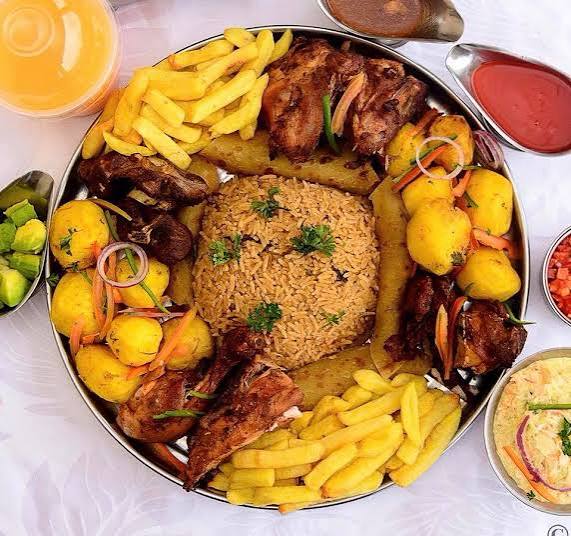
Roasted goat and chicken served at roadside restaurants are among the most satisfying hot food options in Uganda local cuisine. Fresh chicken roasted over charcoal with a simple seasoning of salt and spices and served with plantain, kachumbari tomato salad, and chilli sauce defines the standard Uganda local cuisine roast meat experience. The best roasted chicken in Uganda local cuisine comes from small family-run establishments that slaughter and prepare fresh birds for each service rather than pre-grilling in bulk. Identifying these establishments requires local knowledge or the guidance of a Uganda cultural guide who knows the food landscape of each town along the safari route.
Regional Uganda Local Cuisine Variations
Lake Region Uganda Local Cuisine
The Lake Victoria basin’s Uganda local cuisine centres on fresh Nile tilapia and Nile perch from the lake. Grilled tilapia with matoke, kachumbari, and groundnut sauce is the defining meal of the Entebbe, Kampala, and Ssese Islands food culture. Fresh tilapia in Uganda local cuisine at the lake is seasoned minimally, relying on the freshness and quality of the fish for its appeal. Landing sites around Lake Victoria sell directly caught fish from fishing boats at prices far below any restaurant. Joining a fishing community member for a meal prepared from the morning’s catch represents the most authentic Lake Victoria Uganda local cuisine experience available to any visitor.
The papyrus-dried freshwater shrimp, known locally as nsenene when grasshoppers are used and as nakati in leafy form, add seasonal variety to Uganda local cuisine in the lake region. Lake fly protein cakes made from the billions of tiny insects that mass-hatch over Lake Victoria form a high-protein food source used in Uganda local cuisine since pre-colonial times. These lake fly cakes are not widely marketed to international visitors but appear in local markets throughout the Lake Victoria basin during hatch season. Safari visitors with genuine curiosity about Uganda local cuisine ingredients should ask a market guide to point out these unique protein sources during any Kampala or Entebbe market visit.
Northern Uganda Local Cuisine
Northern Uganda local cuisine replaces matoke with millet and sorghum as the primary starch. Millet bread called kwon in the Acholi tradition is a dense, dark flatbread eaten with fish, beans, or green vegetables from the savanna. Malakwang green sauce made from fried shredded greens in groundnut or simsim oil provides the primary vegetable accompaniment in Acholi Uganda local cuisine. The Acholi and Langi communities of northern Uganda have maintained these distinct food traditions even as the matoke-groundnut stew combination became increasingly dominant across central Uganda. Eating northern Uganda local cuisine in Gulu or Kitgum on a Kidepo safari transit introduces visitors to a food culture entirely different from the banana-centred south.
Luwombo is a celebrated Uganda local cuisine preparation that steams meat, mushrooms, or groundnuts inside banana leaf parcels. The luwombo preparation concentrates flavour within the sealed leaf packet and produces an intensely savoured filling of meat or mushroom that contrasts with the lighter open-cooked dishes of everyday Uganda local cuisine. Luwombo traditionally accompanies Buganda ceremonial occasions and some Kampala restaurants feature it as their signature dish for visitors who want to experience a more elaborate expression of Uganda local cuisine. Finding quality luwombo requires either a visit to a Kampala restaurant that makes it as a house speciality or an invitation to a Buganda household meal.
Plan Your Safari
Sample Uganda local cuisine at each stage of your safari by requesting the local food option at every camp and lodge rather than defaulting to the international menu. Visit at least one Kampala market or roadside food stand for a rolex during your Kampala day. Ask your guide to recommend the best local restaurant at each safari destination for the most authentic Uganda local cuisine experience outside lodge meals.
African Wild Trekkers includes Uganda local cuisine experiences in safari itineraries for food-curious clients. We arrange market visits, local restaurant stops, and village meal experiences alongside the wildlife programme for clients who want Uganda’s food culture as part of their safari experience.
Contact African Wild Trekkers to plan a Uganda safari that includes Uganda local cuisine experiences. We respond within 24 hours and design itineraries that combine the country’s wildlife with its extraordinary food culture from the lake shore to the highlands.