What to Eat on Safari: A Complete Guide to Food in the African Bush
Safari food can surprise first-time travelers. Most safari lodges and camps serve fresh, filling meals that combine international dishes with local African flavors. Menus often include fresh fruit, vegetables, grilled meats, soups, rice, potatoes, pasta, and freshly baked bread.
Breakfast on Safari
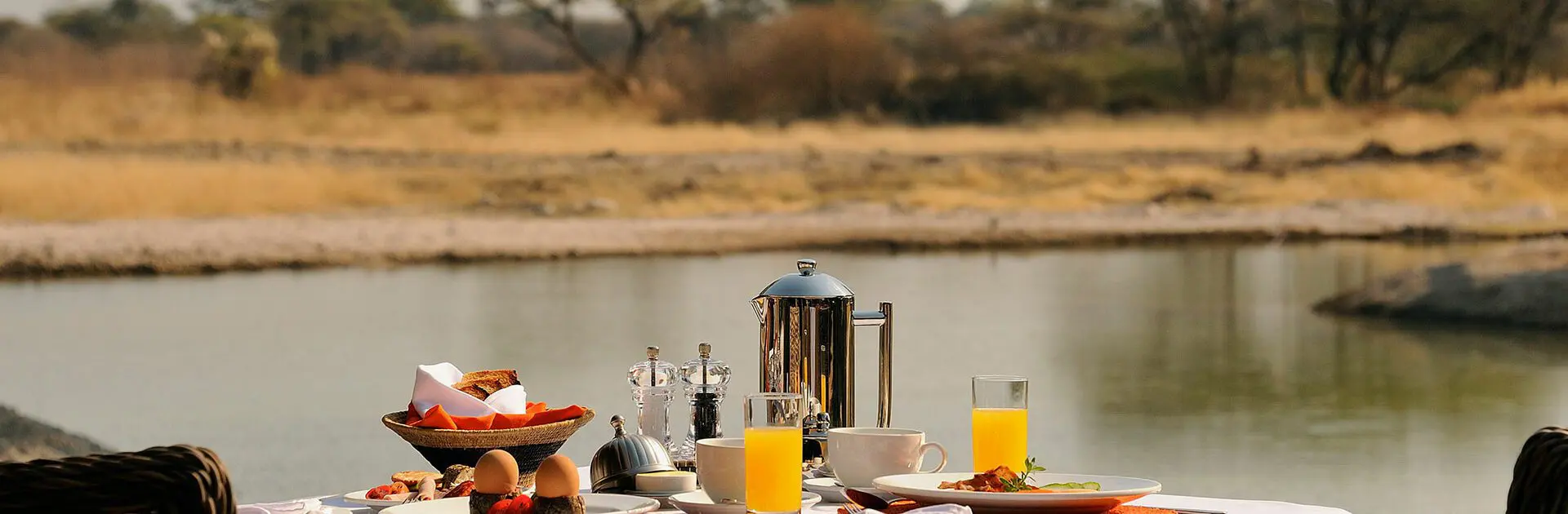
Most safari days start early, especially when you have a morning game drive. Lodges usually serve breakfast before departure or prepare a packed breakfast for guests.
A typical breakfast may include eggs, sausages, fresh fruit, yogurt, cereal, toast, pastries, and tea or coffee. Some lodges also prepare pancakes, chapati, fresh juices, and local dishes such as mandazi.
If you leave before breakfast, ask your lodge for a takeaway breakfast. You can enjoy it during a scheduled break in the bush.
Lunch During a Safari
Lunch usually takes place at the lodge or camp after the morning activities. Some properties serve a buffet, while others offer a set menu or freshly prepared dishes.
Expect meals such as grilled chicken, beef, fish, rice, potatoes, pasta, vegetables, salads, and local stews. Many lodges use fresh ingredients from nearby farms and communities.
During full-day game drives, your guide may carry a packed lunch. You can eat at a designated picnic site while enjoying the scenery.
Dinner in the Bush
Dinner often becomes one of the highlights of a safari. Many lodges serve three-course meals in beautiful outdoor settings.
You may enjoy soup or salad as a starter, followed by grilled meat, fish, chicken, vegetables, rice, or potatoes. Dessert may include fresh fruit, cake, pudding, or ice cream.
Some camps arrange bush dinners under the stars. These meals create a memorable experience after a day of wildlife viewing.
Local African Foods to Try
Safari offers a great opportunity to taste traditional East African food. Uganda, Kenya, Tanzania, and Rwanda each have their own popular dishes.
Matoke, a steamed green banana dish, remains a Ugandan favorite. You may also find groundnut sauce, beans, beef stew, grilled tilapia, and chapati.
In Kenya and Tanzania, try nyama choma, a popular grilled meat dish. Ugali, a maize-based staple, often accompanies meat, fish, or vegetables.
Rwanda also offers dishes such as grilled meat, beans, plantains, potatoes, and fresh vegetables. Many lodges combine these local dishes with familiar international meals.
Vegetarian and Vegan Safari Food
Most established safari lodges can accommodate vegetarian and vegan diets. However, you should mention your dietary requirements when booking your safari.
Chefs can usually prepare vegetable curries, pasta, salads, rice dishes, grilled vegetables, soups, and plant-based meals. Some lodges also offer fresh fruit and smoothies.
For remote camps, advance notice helps the kitchen plan suitable ingredients. This becomes especially important for strict vegan diets or multiple food allergies.
Food for Children on Safari
Families can usually find child-friendly meals at safari lodges. Common options include pasta, rice, potatoes, chicken, eggs, pancakes, fruit, and vegetables.
Parents travelling with babies should discuss feeding requirements before arrival. Remote camps may not stock specific baby foods, formula, or familiar snacks.
You can carry preferred snacks for long drives. Choose sealed, lightweight options that handle warm temperatures well.
Can You Drink Tap Water on Safari?
Water safety varies between destinations and properties. Most safari lodges provide treated or bottled drinking water for guests.
Always follow your lodge’s advice about drinking water. Carry a reusable bottle and refill it at approved water stations whenever possible.
Avoid drinking untreated water from rivers, lakes, or other natural sources. Your safari guide can advise you about safe drinking water throughout the trip.
Food Safety During Safari
Good safari lodges follow strict food hygiene practices. However, you should still take sensible precautions.
Choose freshly prepared food and wash your hands before eating. Be careful with unfamiliar raw foods, especially when travelling through remote areas.
You should also inform your safari company about allergies before your trip. Carry any essential medication and clearly explain serious allergies to your guide and lodge staff.
What Snacks Should You Pack?
You do not need to bring large quantities of food. Most safari lodges provide regular meals and snacks.
However, a few personal snacks can help during long drives. Nuts, energy bars, dried fruit, crackers, and chocolate can work well.
Avoid carrying large amounts of food that can melt, spoil, or attract insects. Always follow park rules about eating and disposing of food.
Plan Your Safari
Food forms an important part of the safari experience. From fresh lodge breakfasts to traditional African dishes and bush dinners, every meal adds something special to your journey.
When booking your safari, share your dietary needs, allergies, and food preferences early. Your safari company can then work with lodges and camps to create a comfortable dining experience throughout your trip.