Why White Water Rafting Jinja Belongs on Every Adventurer’s Bucket List
White water rafting Jinja on the River Nile delivers some of the world’s most powerful and consistent grade 5 rapids through one of Africa’s most spectacular river settings. The Nile between Lake Victoria and Lake Kyoga carries an enormous volume of water year-round, fuelling rapids that challenge expert rafters while remaining accessible to complete beginners under professional guidance. No other river in East Africa offers this combination of volume, consistency and accessibility.
The Jinja rafting scene has operated for over 25 years and established itself as a benchmark for river safety and adventure quality in Africa. International travelers specifically travel to Uganda to raft the Nile at Jinja. The experience combines physical exertion, adrenaline, team challenge and extraordinary Nile scenery into a day that most participants describe as a highlight of their entire Africa trip.
The Key Rapids in White Water Rafting Jinja
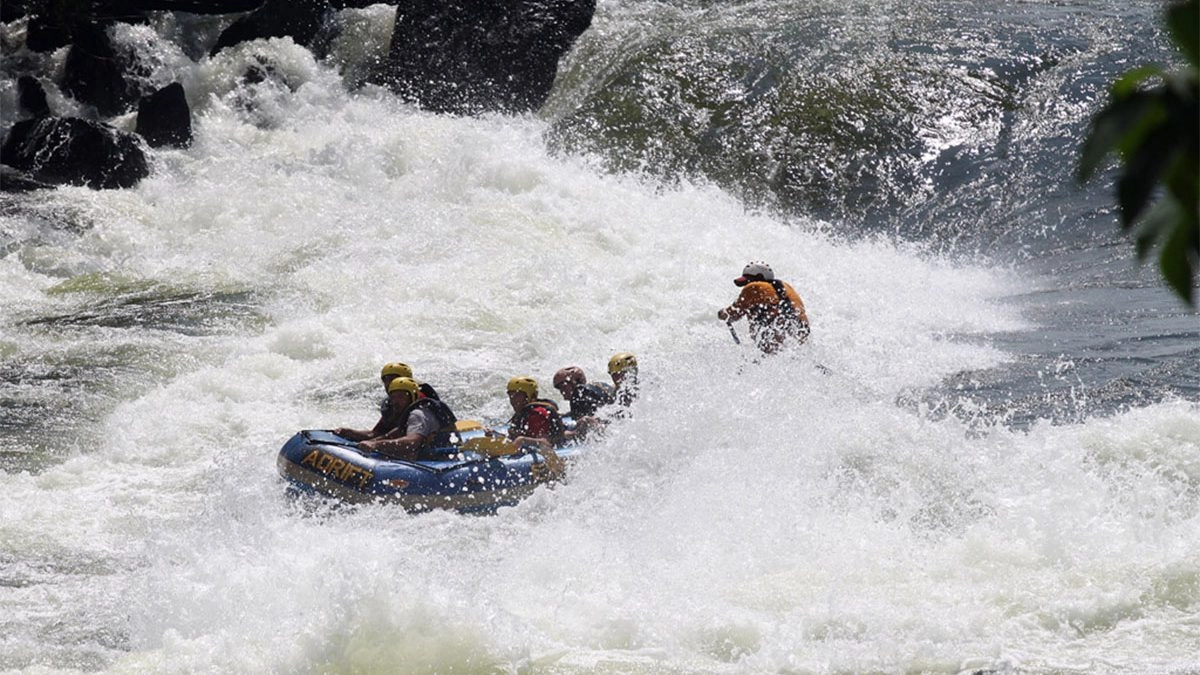
The Bujagali section of the Nile concentrates the most dramatic rapids within easy reach of Jinja town. The “Bad Place” rapid earns its name through a powerful hydraulic that flips even experienced rafts. “The Nile Special” — a grade 5 rapid — provides the day’s biggest adrenaline surge and the most dramatic photographs. “Itanda Falls” in the lower section creates a thundering drop that guides navigate around the most dangerous lines. The river also features named grade 3 and 4 rapids between the big ones that give rafters time to catch their breath, bail water and listen to guides explain what lies ahead.
Between rapids, the river flows wide and calm. Crocodiles sun themselves on the banks. Kingfishers dart across the surface. African fish eagles circle overhead. These calmer sections balance the intensity of the rapids with Africa’s quintessential river beauty.
Operators for White Water Rafting Jinja
Nile River Explorers and Adrift Adventure Company operate the two main full-day rafting programs in Jinja. Both companies hold RAFT (Recreational Activity Facility Training) certification and employ international standards for guide training, equipment maintenance and river safety. Their guides average five or more years of Nile experience. Both operators run daily departures when conditions allow. The morning briefing at the base camp covers swimming techniques, paddle commands, body positioning in rapids and what to do if you fall out — which most participants do at least once. Falling out is part of the experience and guides retrieve every swimmer safely.
What the Full Day of White Water Rafting Jinja Includes
A full-day trip costs $125 to $145 per person. This price includes the morning safety briefing, all safety equipment (helmet, life jacket, paddle, wetsuit top if needed), a professional river guide in every raft, safety kayakers positioning alongside every major rapid, a riverside lunch during the midday break and a professional photo package. The day runs from 8am to approximately 4pm. Transport from your Jinja accommodation to the launch site is usually included. Half-day trips at $85 cover the lower section with grade 3 and 4 rapids and suit those wanting a shorter commitment.
Safety on White Water Rafting Jinja
Safety standards on the Jinja Nile are among the highest in Africa. Every guide completes first aid training and swift water rescue certification. Safety kayakers — expert paddlers who swim through rapids first to assess conditions — shadow every raft through major rapids. Motorised rescue boats position downstream of the largest drops. Mandatory helmets and personal flotation devices are non-negotiable for all participants. The minimum age is typically 15 years. Pregnant women and people with serious back or neck conditions should not raft. No prior rafting experience is required — guides teach everything needed in the morning briefing.
Best Months for White Water Rafting Jinja
The Nile at Jinja runs year-round, making white water rafting Jinja a 12-month activity. The dry season from June to August produces the highest river volumes and the biggest, most powerful rapids. These months attract the most serious rafters seeking maximum intensity. The February to April period sees lower water levels that actually expose more rock features and create technical rapid lines rather than pure power. Both experiences offer excellent rafting — the character of the rapids changes more than the quality. April and May see occasional high-water flooding events that force operators to cancel trips for safety. Always confirm conditions with operators a few days before your planned trip.
What to Wear and Practical Tips for White Water Rafting Jinja
Wear a swimsuit or shorts you do not mind getting wet and potentially never seeing again in their original condition. Secure your sunglasses with a strap or leave them at camp. Wear synthetic fabrics rather than cotton as cotton stays cold when wet. Operators provide helmets and life jackets. Bring sunscreen in a waterproof container. Leave your camera in a waterproof bag or rent a GoPro from the operator. A dry bag for your valuables is essential. Do not bring loose jewellery, expensive watches or anything you cannot afford to lose in a class 5 rapid. Your operator stores your valuables safely at the base camp during the trip.
Plan Your Uganda Adventure
Booking Your Activities
Activity Permits and Reservations
All adventure activity permits — gorilla trekking, chimpanzee trekking, white-water rafting bookings and any guided expeditions — are confirmed by African Wild Trekkers before your departure. Nothing is left to chance on arrival.
Fitness and Preparation Guidance
Our team provides activity-specific preparation guidance for every adventure on your itinerary. We match activity difficulty to your fitness level and ensure you arrive at every trailhead, river launch or park gate fully prepared.
Your Full Adventure Package
Transport Between Activity Hubs
Private 4×4 vehicle transfers between activity locations, domestic charter flights where relevant, and all airport transfers are included. Your driver-guide handles all timing and logistics between your adventure days.
Accommodation and Meals Between Adventures
Lodge accommodation and full-board meals are confirmed at your chosen comfort level at every stop on your itinerary. Rest and recovery between active days is built into your schedule by design.
Our Uganda Adventure Specialists
Expert Local Knowledge
African Wild Trekkers operates exclusively in Uganda and East Africa. Our team has personal experience of every activity we sell — gorilla trekking, chimp encounters, Nile rafting and more. We recommend only what we know delivers.
Start Planning Today
Contact us at africanwildtrekkers.com/contact with your travel dates and adventure interests. We build your custom Uganda adventure itinerary within three working days.