Wild Dog Tracking Safari Africa: Finding Africa’s Most Endangered Canid in the Wild
The African wild dog has the highest hunting success rate of any large African predator. Lions succeed on roughly 25 percent of hunts. Cheetahs succeed on 50 percent. Wild dogs succeed on 70 to 80 percent. They achieve this through endurance rather than explosive speed. They run prey at sustained speeds of 50 to 60 kilometres per hour across distances that exhaust the target animal completely. The pack hunts cooperatively — each dog takes a specific positional role. The pack’s combined intelligence adapts the chase to the prey’s evasive behaviour. A wild dog pack hunt is one of Africa’s most technically remarkable wildlife events. Finding it requires the specific tracking knowledge and GPS collar monitoring that only dedicated wild dog conservation areas provide.
Wild Dog Pack Behaviour
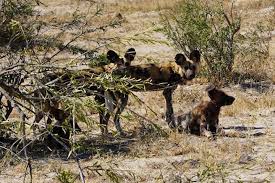
Wild dogs live in packs of 6 to 30 individuals led by a dominant breeding pair. The pack hunts, rests, and travels together throughout the year. Pup rearing occurs at a den site used for 8 to 10 weeks after birth. All pack members regurgitate food for the pups and the den-guarding adults. This cooperative pup rearing makes wild dogs uniquely social among Africa’s large carnivores. The pack’s greeting ceremony is one of Africa’s most visually engaging predator social behaviours. A rapid mutual sniffing and tumbling interaction lasts 2 to 5 minutes before each hunt. Moreover, the pack’s vocal communication carries high-pitched twittering calls that convey specific messages between individuals during the hunt.
Best East Africa Wild Dog Locations
Wild dogs require large territories a single pack may range over 200 to 500 square kilometres. As a result, they are absent from smaller conservancies where the territory requirement exceeds available space. Tanzania’s Selous-Nyerere Game Reserve holds East Africa’s largest wild dog population an estimated 1,000 to 1,300 individuals in the greater ecosystem. Ruaha National Park carries a second significant Tanzania population. Kenya’s Laikipia Plateau holds a recovering population across the plateau’s interconnected conservancies. Sighting probability in Selous-Nyerere and Ruaha during a five-day camp stay is high. Guides with GPS collar tracking access locate packs reliably during the June to September denning season.
GPS Collar Monitoring and Tracking Access
Camps associated with wild dog research programmes carry GPS collar tracking receivers. These pick up signals from collared pack members at ranges of 5 to 10 kilometres. The morning tracking process begins with a signal sweep from an elevated vehicle position. This determines the pack’s current location. The guide then drives a route that intercepts the pack’s movement direction ahead of their position. This advance positioning arriving where the pack is heading rather than following where it has been dramatically improves the encounter quality. Additionally, the GPS data tells the research team which direction the pack hunted the previous night. It also shows whether the pups have been left at the den or are travelling with the pack.
Plan Your Safari
Tanzania’s Selous-Nyerere Game Reserve and Ruaha National Park are the primary East Africa wild dog tracking destinations. Camps with active research programme partnerships provide GPS tracking access. A minimum of four nights in either location allows daily morning tracking attempts. The denning season between June and September provides the most predictable tracking success — the pack returns to the den site each day. Kenya’s Laikipia wild dog population is growing but less predictable due to the plateau’s non-denning dispersal pattern outside of specific pup-raising months.
African Wild Trekkers designs Tanzania and Kenya safari itineraries at camps with dedicated wild dog tracking programmes. Contact us to plan a safari that prioritises finding Africa’s most endangered and most charismatic large predator.