Arusha Tanzania Travel Guide: Safari Hub, Culture and What to Do in Town
Arusha sits at the foot of Mount Meru and serves as the gateway to Tanzania’s northern safari circuit — the Serengeti, Ngorongoro Crater, Tarangire, and Lake Manyara are all within striking distance of the city. Most Tanzania safari travellers pass through Arusha at least twice: once arriving from Kilimanjaro International Airport and once returning from the parks. Understanding what Arusha offers beyond its role as a safari logistics hub transforms a transit point into a meaningful destination in its own right. This guide covers everything worth knowing about Arusha in 2026.
What Arusha Offers the Safari Traveller
Practical Information and Orientation
Getting to and Around Arusha
Kilimanjaro International Airport serves Arusha, located approximately forty-five kilometres east of the city centre on the road between Arusha and Moshi. The airport transfer into Arusha takes approximately forty-five minutes to one hour depending on traffic, and most safari operators arrange the transfer as part of the arrival package. A second airport — Arusha Airport (ARK) — sits on the western edge of the city and handles domestic light aircraft flights to the Serengeti, Zanzibar, and other Tanzania destinations. Safari travellers who fly directly between the Serengeti and Zanzibar transit through Arusha Airport’s small terminal rather than Kilimanjaro International.
Getting around Arusha within the city is most comfortably done by private hire — either through your hotel, your safari operator, or a reputable taxi service your hotel reception can identify. Arusha’s centre is compact enough to walk between the clock tower, the central market, the main shopping streets, and the hotels in the Haile Selassie Road area, but the traffic and persistent attention of safari touts near tourist-frequented streets make walking enjoyable in some areas and frustrating in others. For any out-of-town excursion — whether to the Cultural Heritage Centre, the Arusha National Park, or the Usa River district where many safari operators are based — a driver simplifies logistics and avoids the need to navigate unfamiliar road systems. African Wild Trekkers arranges all Arusha transfers for clients staying in the city before or after their safari.
Where to Stay in Arusha
Arusha’s hotel options range from budget guesthouses in the city centre to mid-range business hotels on Haile Selassie Road to luxury lodges in the coffee farm countryside east of the city near the Usa River. For safari travellers spending one or two nights before or after the parks, the lodges east of Arusha in the Usa River area offer a significantly more pleasant experience than city-centre hotels — the coffee and banana plantation setting, the Mount Meru views, and the garden environments create an arrival experience that feels like Africa rather than a generic transit hotel. These properties typically include restaurant, pool, and in many cases a small nature walk or garden game drive that showcases Arusha National Park’s adjacent birdlife.
Budget travellers and those spending only a few hours in Arusha between connections find the central hotels adequate. The main hotel area around Haile Selassie Road and the Clock Tower has numerous options from USD 40 to USD 200 per night, and several have good rooftop restaurants that deliver Arusha’s culinary highlights — nyama choma (grilled meat), ugali (maize porridge), and fresh tropical fruit — in a clean, reliably staffed setting. African Wild Trekkers recommends specific Arusha properties based on the client’s accommodation tier and the location of their safari operator’s pre-departure briefing office.
Things to Do in and Around Arusha
Culture, Markets, and Day Trips
The Arusha Cultural Heritage Centre and Central Market
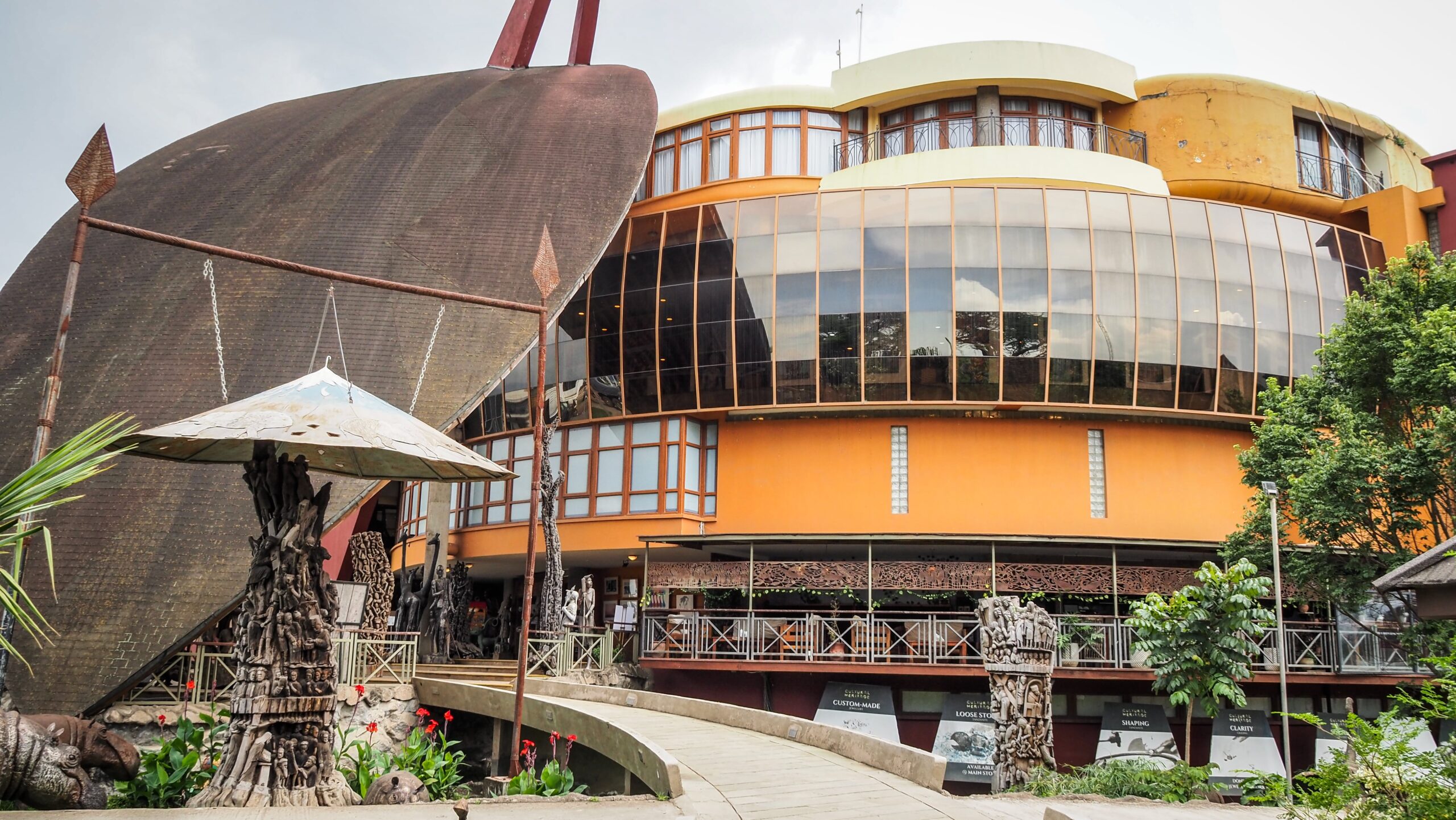
The Arusha Cultural Heritage Centre is the city’s most worthwhile attraction for visitors with a free morning or afternoon between connections. The centre houses a large collection of Tanzanian art, antique and contemporary tribal jewellery, Maasai beadwork, Makonde carvings, and contemporary paintings displayed across multiple galleries and showrooms. The quality range spans tourist trinkets to genuine collector-grade pieces, and the knowledgeable staff can explain the provenance and cultural context of specific items. Prices are negotiable for larger pieces, and the centre labels its fixed-price items clearly. Even travellers who do not intend to purchase find the collection a genuine introduction to Tanzania’s artistic traditions in a curated environment that street market browsing cannot replicate.
The Arusha central market on the main road near the Clock Tower offers fresh produce, fabric, and crafts in a more local, less curated environment that gives a realistic picture of daily Arusha commerce. Visiting with a guide or driver who can navigate the more persistent salespeople and identify genuine handcraft from imported tourist goods is advisable. The market is most lively in the morning hours before the heat of midday, and the produce section’s display of tropical fruit — jackfruit, passion fruit, ripe pawpaw, and the small sweet bananas grown on Meru’s slopes — is worth photographing regardless of purchasing intent. A half hour in the central market followed by a coffee at one of Arusha’s café-restaurants is a worthwhile cultural immersion for any visitor with time to spare.
Arusha National Park as a Day Trip
Arusha National Park sits immediately east of the city, rising from the outskirts of town up the forested slopes of Mount Meru, and offers a surprisingly rich wildlife experience within thirty minutes of the city centre. The park holds Africa’s densest population of giraffe per square kilometre, buffalo herds in the highland forest, black-and-white colobus monkeys in the canopy, and the Momella Lakes at the park’s northern end where flamingos and waterbirds gather in numbers. The drive from Arusha to the park entrance takes twenty to thirty minutes, and a three-to-four hour game drive circuit through the lower park sections delivers meaningful wildlife viewing without the distances involved in reaching the Serengeti or Tarangire.
Arusha National Park’s walking safari trails are among Tanzania’s most accessible, and the park permits guided walking safaris without the armed escort requirements of some larger parks. Walking the forest trail between the crater rim and the Momella Lakes with a park ranger delivers birding of exceptional quality — the park’s 400-plus species list includes the Narina trogon, bar-tailed trogon, and various sunbirds less frequently encountered in the open savanna parks. For safari travellers with a free day in Arusha before their main circuit begins, Arusha National Park as a day trip is the most efficient way to begin wildlife immersion without driving six hours to reach the Serengeti. African Wild Trekkers can add an Arusha National Park morning to any itinerary that includes a pre-safari Arusha night.
Food and Restaurants in Arusha
Where to Eat Before or After Your Safari
Arusha’s Best Dining Options for Safari Travellers
Arusha has a well-developed restaurant scene that ranges from Indian-Tanzanian fusion at the long-established city centre restaurants to international cuisine at the Usa River area lodges. The city’s Indian-origin community, present since the colonial railway era, has established a tradition of curry and pilau that combines with Swahili coastal flavours to create an Arusha food culture that goes well beyond the standard East Africa hotel buffet. Several restaurants near the Clock Tower serve excellent pilau rice, biriyani, and Swahili fish curry alongside the grilled nyama choma that anchors Tanzanian meat-eating culture. Prices are reasonable by international standards, and a full meal with drinks at a quality Arusha restaurant costs USD 15 to USD 30 per person.
The Usa River area east of Arusha has developed its own restaurant cluster attached to the safari lodge properties, with several open to non-residents for lunch and dinner. These properties typically offer a mix of international and Tanzanian dishes, and the garden settings with Mount Meru views provide a more serene dining experience than the city centre’s busier streets. Coffee — grown on Meru’s slopes and the Kilimanjaro massif to the east — is outstanding throughout Arusha; a fresh espresso made from locally grown arabica served at an Arusha café is one of East Africa’s simple pleasures and worth prioritising on any Arusha morning with time to spare.
Plan Your Safari
Arusha is where every Tanzania northern circuit safari begins and ends, and the time in town is more valuable when you know what it offers beyond the airport and the hotel. African Wild Trekkers manages all Arusha logistics — airport transfers, hotel bookings, pre-safari briefings, and any city-based excursions — as part of the overall Tanzania package. Clients who want an Arusha cultural experience before or after the parks can add the Cultural Heritage Centre, the central market, or an Arusha National Park morning to their itinerary with minimal adjustment to the overall schedule.
The pre-departure briefing that African Wild Trekkers conducts in Arusha before every safari covers the itinerary schedule, the parks in sequence, the wildlife expected at each destination, and the practical logistics of camp life, tipping, and communications during the safari. This briefing delivers the most value when the client arrives in Arusha rested rather than jet-lagged, which is why the team recommends building at least one Arusha night into any itinerary before the first game drive day.
Contact African Wild Trekkers at africanwildtrekkers.com/contact with your Tanzania arrival dates and we will arrange your Arusha hotel, airport transfers, and pre-safari briefing as part of your Tanzania itinerary within 24 hours.