Africa’s Most Diverse Safari Destination: Which Country Has the Most Species?
Africa’s Most Biodiverse Safari Countries: Where Species Numbers Tell the Story
The question of which African country has the most wildlife species is rarely asked by safari travelers. But it reveals something genuinely important about where Africa’s greatest ecological diversity actually sits. The answer is not always the countries that receive the most safari visitors. Biodiversity is a measure of total species count across all taxonomic groups. Sub-Saharan Africa’s most species-rich countries include several that are not commonly marketed as safari destinations. Understanding where Africa’s biological diversity is concentrated helps travelers make more informed destination choices. This matters especially for those who care about ecological depth, endemic species, and wildlife variety beyond the familiar Big Five.
The Most Biodiverse Countries in Africa
Biodiversity assessments across Africa consistently identify the Congo Basin nations as the continent’s most species-rich environments. These include Democratic Republic of Congo, Cameroon, Gabon, and Republic of Congo. They lead in total number of plants, birds, reptiles, amphibians, and mammals. The Congo Basin’s vast lowland tropical rainforest is the largest continuous forest block in Africa. It supports biodiversity comparable to the Amazon in South American terms. Extraordinarily high species counts, high endemism, and many species still unknown to science. However, the Congo Basin countries are not conventional safari destinations. Their infrastructure, political stability, and tourism accessibility fall significantly below East and Southern Africa’s established safari circuits.
Uganda: Africa’s Most Diverse Accessible Safari Country
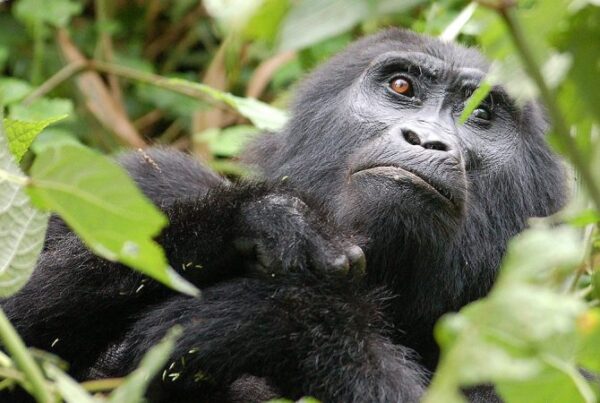
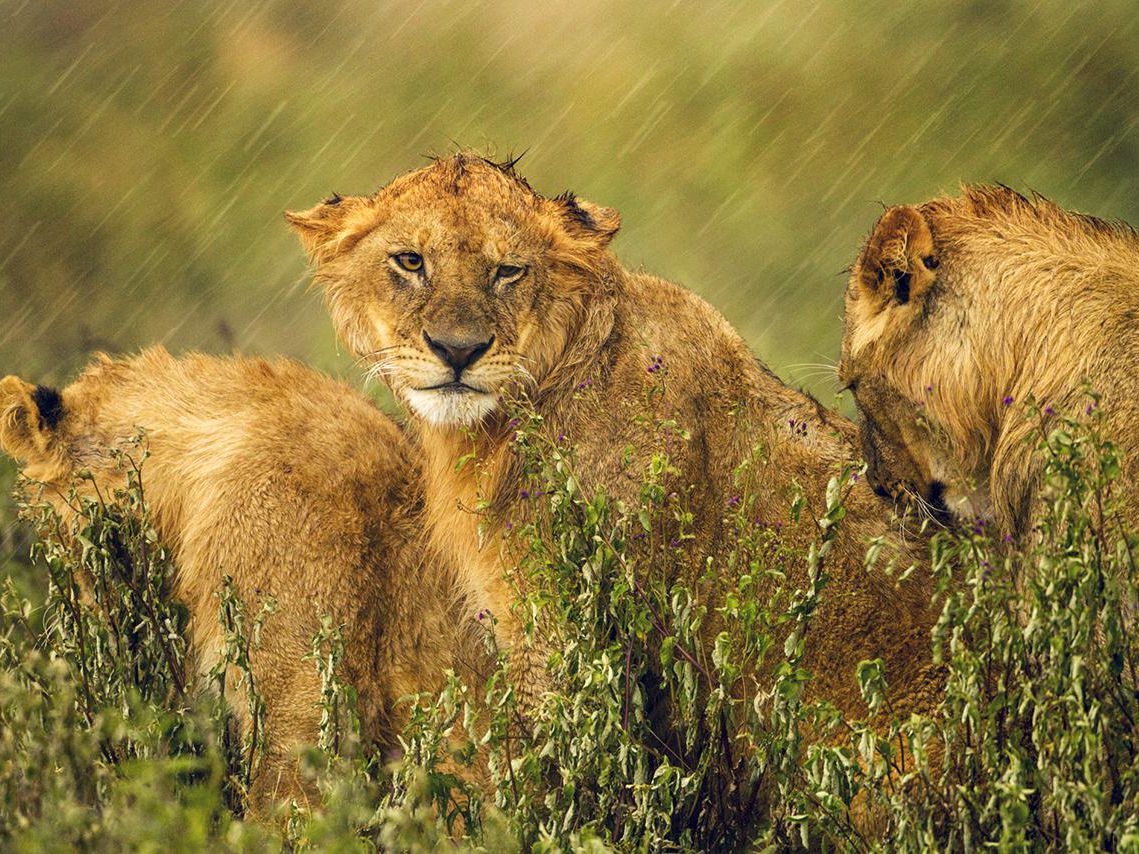
Among Africa’s accessible safari destinations, Uganda makes a compelling case for the most biodiverse country on the continent. Uganda sits at the convergence of the Congo Basin forest ecosystem to the west and the East African savannah to the east. The Great Lakes system lies to the south, and the Albertine Rift’s extraordinary montane habitats run along the western border. This ecological confluence produces species diversity that exceeds most other African safari countries across multiple taxonomic groups. Uganda’s bird list exceeds 1,000 species — more than the entire continental US and Canada combined. This makes it one of the top two or three birding destinations in the world. Mammal diversity includes mountain gorillas, chimpanzees, other great apes, and forest elephants. Tree-climbing lions, shoebill storks, and over a dozen primate species are also found here. No other single East Africa country hosts all of these across such a compact geographic area.
The Albertine Rift runs along Uganda’s western border with the DRC through Rwanda and Burundi. It is Africa’s most significant centre of endemism. It holds more endemic bird and mammal species per square kilometre than any other area in Africa. The Rwenzori Mountains, Queen Elizabeth National Park, Bwindi Impenetrable Forest, Kibale Forest. And the Kigezi Highlands all contain Albertine Rift endemics. These species cannot be seen in any other country. For biodiversity-focused travelers who want to maximise species encounter count, Uganda’s ecological convergence zone is unmatched on the continent.
Tanzania: Species Diversity at Scale
Tanzania combines open savannah, coastal forest, montane habitats including Kilimanjaro and the Eastern Arc Mountains. And the freshwater ecosystems of Lake Victoria and Lake Tanganyika. Add the Indian Ocean coast and islands, and the result is one of Africa’s top three or four countries by total species count across all groups. Tanzania’s bird list exceeds 1,100 species — more than Uganda’s. This makes it Africa’s most species-rich country for birds by total number. The percentage of endemic species is lower than Uganda’s because Tanzania’s larger area includes more habitat types that share species with neighbouring countries.
Tanzania’s Eastern Arc Mountains run from the Usambara Mountains near the Kenya border to the Udzungwa Mountains inland. They are one of the world’s great biodiversity hotspots. They hold endemic plant, bird, reptile, and mammal species found nowhere else on earth. The Udzungwa Mountains National Park protects several endemic primates including the Sanje mangabey and the kipunji. Both were discovered in the late 20th century and found nowhere else in the world. These Eastern Arc forest endemics represent a different kind of species diversity from the charismatic megafauna of the Northern Circuit parks. Travelers who include a Udzungwa visit in a Tanzania itinerary typically find it among their most unexpected and rewarding wildlife experiences.
Kenya and Rwanda: High Diversity in Smaller Areas
Kenya’s species diversity is high in absolute terms. It reflects the country’s position at the intersection of the East African savannah, the Albertine Rift in the west, the northern arid zones, and the Indian Ocean coast. This is a similar ecological convergence to Uganda but over a larger area with a higher proportion of savannah habitat relative to forest. Kenya’s bird list exceeds 1,000 species. It includes northern endemics from the arid Samburu zone — Grevy’s zebra, gerenuk, reticulated giraffe, and the Samburu Special Five. No other East Africa country holds these in the same accessible safari context. Kenya’s Kakamega Forest is the most eastern remnant of the Guinea-Congo rainforest belt. It holds western African bird species that occur nowhere else in East Africa. Most visitors to the country never discover it — but it provides a Congo Basin forest experience within Kenya’s borders.
Rwanda’s species diversity is disproportionately high relative to its size. The country is smaller than the state of Maryland. This is because the Albertine Rift concentrates endemics in the Virunga highlands. Ecological diversity is also compressed between the Congo Basin forest influence and the East African savannah that Akagera National Park represents. Rwanda’s mountain gorillas are perhaps the most famous endemic population in Africa. But the country’s Albertine Rift bird endemics. Congo Bay Owl, Rockefeller’s Sunbird, Shelley’s Crimsonwing. And others. Attract serious birders from around the world. These visitors come specifically for species unavailable in any other accessible location.
Safari Diversity vs Biodiversity: An Important Distinction
The most biodiverse African country is not necessarily the best safari destination for most travelers. The distinction between ecological biodiversity and safari experience diversity is important for setting realistic expectations. The Congo Basin countries hold Africa’s highest species counts. But they are extraordinarily difficult and expensive to travel in. Their wildlife is primarily encountered in dense forest conditions that require specialist guiding and significant physical effort. The species counts are genuine and extraordinary. But the safari experience they deliver is not the accessible, guide-driven wildlife encounter that East and Southern Africa’s established infrastructure provides.
Within the accessible safari countries, Uganda’s ecological convergence makes it the best choice for travelers who want to maximise species diversity per day of safari. The transition between Kibale’s primate forest, Queen Elizabeth’s savannah and wetland. And Bwindi’s Afro-montane forest covers more ecological ground in a week than almost any other comparable itinerary in Africa. Adding birding-focused activities at each park stop in Uganda produces species lists that outpace most other East Africa itineraries of similar length. Tanzania’s combination of Northern Circuit savannah and Eastern Arc forest creates comparable ecological breadth. A traveler willing to include the less-visited southern and coastal parks can achieve this over a slightly longer itinerary.
Plan Your Safari
Biodiversity-focused safari itineraries in Uganda and Tanzania require a different approach from standard wildlife circuit packages. They incorporate specific park stops, specialist birding guides in some locations. And accommodation choices that position clients in the most ecologically diverse zones. African Wild Trekkers designs Uganda and Tanzania itineraries that incorporate biodiversity priorities alongside the gorilla, chimpanzee. And savannah wildlife that most clients combine with deeper ecological interests.
Every biodiversity-focused East Africa package includes experienced naturalist guides with strong taxonomic knowledge. Quality accommodation at ecologically rich locations is included, along with all park fees and permits. Transport between park habitats maximises the ecological range covered within the available itinerary days.
Contact African Wild Trekkers at africanwildtrekkers.com/contact with your species priorities and travel dates and we will design the most ecologically diverse East Africa itinerary available within 24 hours.