When Is the Best Time to Go on an African Safari? Month-by-Month Guide
The Best Time for an African Safari: A Month-by-Month Guide to East Africa
The best time to go on an African safari depends on which country. Which park? And which specific wildlife experience you are targeting. There is no single best month for Africa as a whole. The continent spans multiple climatic zones that follow different seasonal patterns. The wildlife events that define the “peak” experience at each destination occur at different times of year. This guide focuses on East Africa’s main safari countries—Kenya, Tanzania, Uganda, and Rwanda. It provides an honest, month-by-month assessment of what each destination delivers and when. This allows you to match your travel dates to your wildlife priorities rather than simply following the most heavily marketed “best months” advice.
Kenya: Month-by-Month Safari Guide
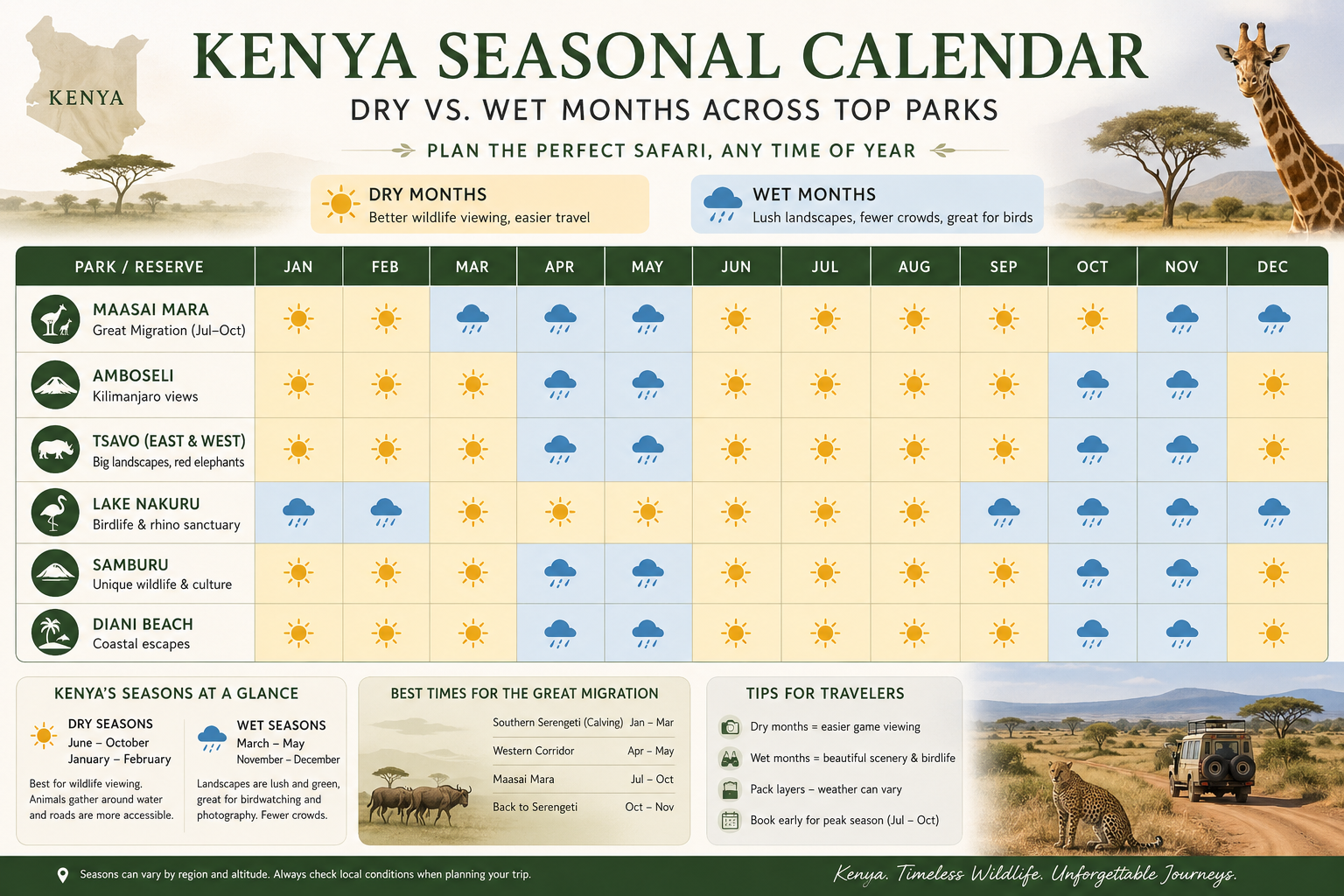
Kenya’s safari seasons are shaped by two rainy seasons. The long rains from March through May and the short rains from October through November. They are also shaped by the wildebeest migration cycle that brings massive herds to the Masai Mara from approximately July through October.
January and February: Calving Season Transition
January and February are excellent months for the Masai Mara with good wildlife and fewer visitors than the July through October peak. The wildebeest have returned to Tanzania for the calving season. But resident wildlife—lions, cheetahs, leopards, elephants, and the full range of Mara plains species—delivers outstanding year-round game drives. Amboseli is particularly compelling in January and February, with clear Kilimanjaro views on many days and excellent elephant activity around the swamps. The weather is generally dry and pleasant in most of Kenya during these months. January is one of the best months to visit Kenya for quality combined with lower prices and smaller crowds than peak season.
February is also excellent for most Kenya parks, with continuing good wildlife across the board. Migrant birdlife builds toward peak breeding plumage, making birding particularly rewarding. The long rains begin sporadically in some years as early as late February. The full onset is typically not until March or April. January and February represent some of the best value in Kenya’s annual calendar. Quality dry season wildlife with accommodation rates lower than the July through October peak season prices.
July Through October: Peak Migration Season
July through October is Kenya’s peak safari season. It is driven by the wildebeest migration’s presence in the Masai Mara and the dramatic Mara River crossings that define the migration’s most spectacular phase. The vast herds arrive from Tanzania’s Serengeti in July and remain in Kenya until October, when they begin their return south. The Mara River crossings can occur anywhere along the river’s length on any day during this period. They produce the most dramatic wildlife sequences available in Africa. They are the primary motivation for the enormous visitor numbers that the Mara attracts during these months. Peak season prices are the highest of the year. Popular camps in both the national reserve and the private conservancies should be booked six to twelve months ahead for July and August dates.
The weather during peak migration season is generally dry and cool. Clear days provide excellent photography conditions and comfortable game drive temperatures. The trade-off for the spectacular migration is the volume of visitors and vehicles at popular sighting locations. The Mara River crossing points in particular can accumulate dozens of vehicles waiting for a crossing to begin. Watching a crossing surrounded by many vehicles is a different experience from the solitude that Kenya’s dry season months before July provide. Choosing accommodation in the private conservancies north and west of the main reserve reduces vehicle crowding substantially. It also improves the exclusivity of the migration experience significantly.
Tanzania: Month-by-Month Safari Guide
Tanzania’s safari seasons follow a similar broad structure to Kenya’s. The critical addition is that the wildebeest migration’s annual cycle spends more total months in Tanzania than in Kenya. The vast majority of the year’s migration activity is south of the Masai Mara, in the Serengeti ecosystem.
January Through March: Calving Season in Southern Serengeti
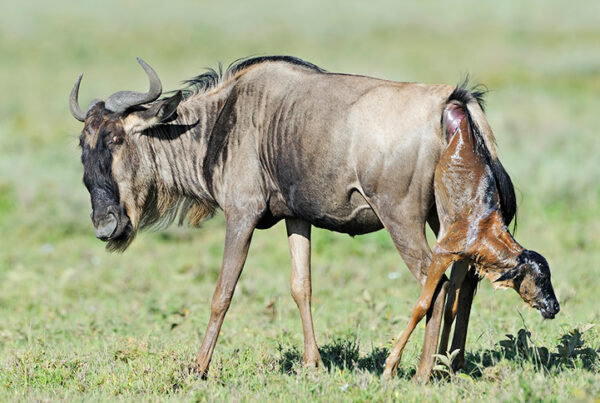
January through March is Tanzania’s most underrated safari period for wildlife spectacle. The wildebeest calving season concentrates over 500,000 newborn calves in the southern Serengeti’s short grass plains between January and March. This attracts enormous concentrations of predators. Lions, cheetahs, leopards, hyenas, and wild dogs. To an area of extraordinary wildlife density. The calving spectacle is different in character from the river-crossing drama of the July to October period in Kenya. But it is equally intense in predator activity and dramatically different in emotional quality. The sheer number of new lives and the extraordinary hunting sequences create a wildlife experience that many experienced Africa travelers rate above the river crossings. January and February in Tanzania also offer good weather in most safari areas and accommodation prices below the June through October peak.
Ngorongoro Crater is excellent year-round with only modest seasonal variation in wildlife quality. The crater’s permanent residents—black-maned lions, resident rhinos, and enormous buffalo herds—deliver outstanding game drives in any month. The short rainy season of November and December often brings green vegetation to the crater and surrounding highlands. This provides beautiful landscape photography conditions alongside the consistently excellent wildlife. Tarangire National Park is at its best during the dry season from July through October. Elephant herds concentrate around the Tarangire River in one of East Africa’s most dramatic elephant spectacles. Hundreds of animals gather along the river banks in a landscape of baobab trees and dry woodland. This provides some of Tanzania’s finest landscape photography conditions.
Uganda and Rwanda: Year-Round Gorilla Trekking Destinations
Uganda and Rwanda are genuinely year-round safari destinations where gorilla trekking delivers at the highest level regardless of the calendar month. Understanding the seasonal nuances helps travelers make timing choices that optimize for specific conditions.
Uganda and Rwanda’s Peak and Green Seasons
Uganda’s gorilla trekking is best during the drier months of June through September and December through February. Trails are drier and forest trekking is less physically demanding during these periods. However, gorilla encounter quality does not change significantly between seasons. The family groups are present year-round, and the one-hour encounter is equally extraordinary in any weather. The long rainy season from March through May makes Bwindi’s already challenging terrain more physically demanding. Slippery, steep trails add significant effort to treks that already range from one to eight hours depending on gorilla family location. Budget-conscious travelers willing to accept the trail conditions can find lodge accommodation at discounted rates during the rainy months. They also face less competitive gorilla permit availability than during peak season months.
Rwanda’s gorilla trekking follows similar seasonal logic. Drier months provide better trail conditions and slightly more predictable gorilla family locations in the upper forest zones. The two rainy seasons of March through May and October through November bring heavier vegetation and muddier trails. Rwanda’s compact geography and higher overall infrastructure investment mean the practical impact of rain on gorilla trekking is somewhat more manageable than in Uganda. Bwindi Forest is more remote and less developed, so rain has a greater effect there. Year-round trekking is genuinely viable in both countries. For travelers whose available dates fall in the rainy season, the encounter quality justifies the additional physical challenge of wet trail conditions in every case.
Plan Your Safari
African Wild Trekkers designs safari itineraries for any travel date across Kenya, Tanzania, Uganda, and Rwanda. Every package recommendation takes the specific month’s wildlife conditions, weather patterns, and park dynamics into account. The goal is to maximize the experience within your available travel window. There is no month when East Africa stops delivering extraordinary wildlife. The experience shifts in character across seasons, but the quality remains genuinely high year-round at the right destinations.
Gorilla permit availability is confirmed as part of every Uganda and Rwanda package booking regardless of season. Kenya and Tanzania itineraries are sequenced to match the seasonal wildlife highlights most relevant to your travel dates.
Contact African Wild Trekkers at africanwildtrekkers.com/contact with your available travel dates and wildlife priorities, and we will design the best East Africa safari for your specific timing within 24 hours.