Lion Facts Africa: Social Structure, Hunting & Best Countries to See Lions
Africa’s Apex Predator
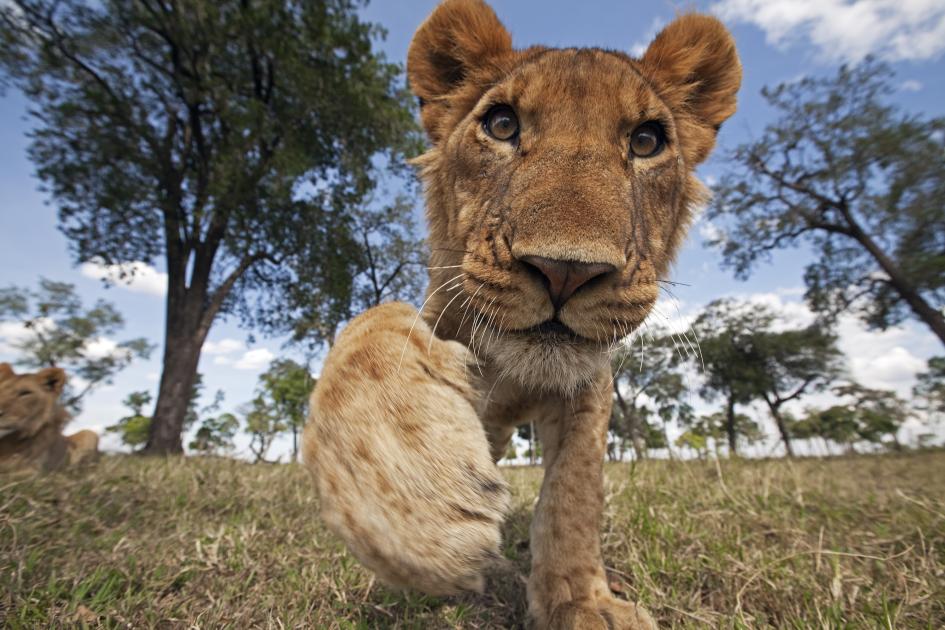
The African lion is the continent’s most iconic predator and the animal that defines the safari experience for most travelers. No other wildlife sighting produces quite the same visceral response as a lion at close range. The size, the presence, the effortless authority with which a large male surveys his territory. Lions are the only truly social felid. Where all other big cats live alone, lions form structured groups called prides. These operate with sophisticated cooperative dynamics built on long-term relationships between related females. This social complexity makes lion watching consistently interesting across hours of observation. There is always something happening within a pride—some interaction or tension or tenderness that rewards the patient observer.
African lion populations have declined by approximately 43 percent over the past 21 years. Estimates dropped from around 200,000 individuals in the early 1990s to around 20,000 to 25,000 today. The IUCN classifies the species as Vulnerable. The primary drivers of decline are habitat loss and prey depletion. And conflict with pastoralist communities at the boundaries of protected areas. Despite this trajectory, the best-managed national parks and private reserves in East and Southern Africa continue to support healthy lion populations. These produce reliable sightings for safari travelers. Understanding which parks deliver the best lion encounters. And why? Is one of the most useful pieces of knowledge for any safari traveler.
Lion Social Structure and Pride Dynamics
How Prides Are Structured
A lion pride typically consists of two to eighteen adult females and their cubs. And a coalition of one to four adult males that hold the pride territory. The females of a pride are almost always related. Daughters, sisters, aunts. And cousins who have lived together their entire lives. This genetic relatedness produces the cooperative behaviors that define pride in society. Females synchronize their reproductive cycles so that cubs are born at similar times. Communal suckling — where any lactating female nurses cubs that are not her own — increases cub survival rates significantly. The female relatives do most of the hunting and most of the cub care. And most of the territorial defense in day-to-day pride operations.
Male coalitions—groups of two to four related or associated males—compete for pride tenure through fights with rival coalitions. Takeovers are dramatic events. The incoming males kill the pride’s unweaned cubs to bring the females back into estrus quickly. They establish dominance over the females through extended chasing and mating. They defend the new territory against the previous holders and any other rival males. Coalition males typically hold a pride for two to four years before younger, stronger rivals displace them. This tenure cycle means that most adult females in a pride outlive multiple generations of associated males. The females form the stable, continuous core of the pride’s social structure across years and decades.
Nomadic Lions and Sub-adult Dispersal
Not all lions live in prides. Subadult males leave their birth pride at approximately two to three years of age. They spend one to three years as nomads. Ranging widely, forming temporary associations with other nomadic males. And attempting to displace established coalition males from prides. This nomadic phase is the most dangerous period of a male lion’s life. Without pride females to cooperate with on hunts and without established territory to anchor their movements, nomadic males suffer significantly higher mortality rates than pride-resident animals. The ones that survive long enough to form a stable coalition and win prize tenure represent the most competitive survivors of this selection process.
Subadult females occasionally disperse from their birth pride as well. This happens particularly in high-density lion populations where competition for resources is intense. It also occurs when an incoming male coalition kills their cubs and the pride dynamics become hostile. Female dispersers may establish new prides in adjacent territories or join existing prides with space for additional females. In well-studied lion populations like those in the Serengeti, researchers track these movements across generations. They build family genealogies that reveal how pride structures change and persist across decades. They also map how individual females navigate the choices between staying in their birth pride and seeking new social arrangements.
Lion Hunting Behavior
How Lions Hunt
Lions are ambush predators that rely on stalking and concealment rather than sustained speed. They are not the fastest animal on the African savanna. Cheetahs can sprint at 110 kilometers per hour compared to a lion’s maximum of around 80. But lions are far more powerful than any of their prey. They are capable of bringing down animals significantly larger than themselves when hunting cooperatively. The classic lion hunt begins with a slow, crouching approach. It uses available cover long grass, termite mounds, trees, and night darkness to reduce the distance to the prey to a manageable sprint of thirty to fifty meters. The success rate of lion hunts varies widely by habitat and prey availability. It averages around 25 to 30 percent per attempt, meaning lions fail in most of their hunting attempts.
Cooperative hunting strategies involving multiple females significantly improve success rates. This is particularly true for large prey like buffalo and zebra. Classic formation hunts involve some females driving prey toward others waiting in ambush. This behavior requires individuals to take self-limiting roles that benefit the group at a personal cost. Whether lions genuinely plan these formations cooperatively. Or whether each individual independently selects the optimal position and the result appears coordinated. Is a question that remains actively debated in lion research. What is not in question is that groups of hunting females take significantly larger prey more successfully than solitary hunters.
Prey Species and Feeding Hierarchy
Lions are generalist predators that adjust their prey selection to whatever is most abundant and accessible in their territory. In the Serengeti, wildebeest and zebra form the majority of kills during the migration months. In Botswana’s Chobe, buffalo are the primary prey for the region’s large prides. In South Africa’s Kruger, impala is the most frequently killed species. It is simply the most numerous and reliable prey available year-round. Large prides in areas with buffalo and hippos occasionally take this dangerous prey. Lions in some specialized populations have learned to hunt elephants, crocodiles, or marine resources.
Feeding hierarchy at a kill places adult males first, females second, and cubs last. This produces the counterintuitive observation that male lions frequently eat better than the females who did most of the hunting. This hierarchy reflects the reality that males need to maintain the physical condition required to defend the pride territory against rivals. Defending the territory benefits all pride members. Cubs that wait at the bottom of the feeding hierarchy face genuine mortality risk in lean periods. This is why communal cub care by pride females increases survival rates beyond what any single female can achieve on her own.
Best Places to See African Lions
Masai Mara, Serengeti, and Ngorongoro
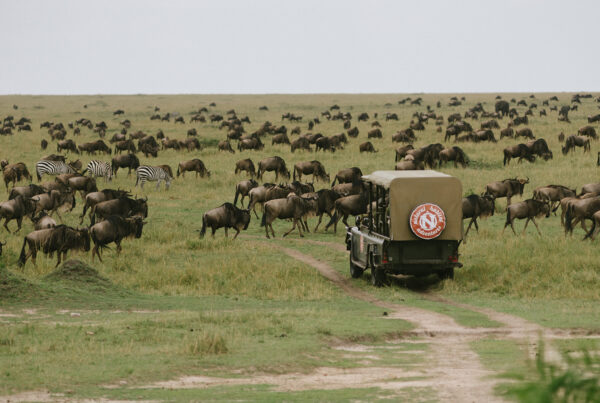
The Masai Mara in Kenya and the Serengeti in Tanzania together form the world’s greatest lion landscape. The ecosystem supports several hundred lions across dozens of prides. The open grassland habitat makes sightings from vehicles exceptionally reliable. The concentration of prey during the Great Migration months of July through October brings lion numbers and activity to their annual peak. Dedicated predator research camps on both sides of the border have produced some of the longest-running and most detailed lion studies in the world. Vehicles can often spend hours with a single pride in the Mara without the animals showing any stress or change in behavior. This level of habituation produces behavioral observations of extraordinary quality.
Ngorongoro Crater in Tanzania has one of the highest lion densities on the planet. Approximately 65 to 70 lions live within the 260-square-kilometer crater floor. This density produces multiple sightings on virtually every half-day game drive. The crater’s closed geography means the resident’s pride has nowhere to go. Vehicles see them regularly throughout the year. Ngorongoro lions have a distinctive appearance. Many individuals show heavy mane development due to the cooler temperatures in the high-altitude crater. At 1,800 meters elevation, the conditions favor the dense mane growth that heat suppresses in lower-altitude populations.
South Africa, Botswana, and Uganda
South Africa’s Sabi Sand Game Reserve is adjacent to Kruger National Park. It is one of the few places in Africa where the full Big Five can be reliably seen on a single game drive. Its lion prides are exceptionally habituated to vehicles. Private reserves in Sabi Sand offer off-road driving access and night drives. These dramatically increase both the quantity and quality of lion encounters compared to the public park road network. Botswana’s Linyanti and Kwando concessions in northern Botswana support large lion prides that specialize in buffalo hunting. Watching a lion pride coordinate a buffalo kill in the golden light of a Botswana dry season afternoon is one of the most spectacular wildlife experiences available anywhere on the continent.
Uganda’s Queen Elizabeth National Park is home to the famous tree-climbing lions of Ishasha, in the park’s southern sector. The Ishasha pride regularly rests in fig trees several meters above the ground. This behavior is documented in a handful of other populations, including some Serengeti prides. But it is particularly consistent and spectacular at Ishasha. Watching lions draped along horizontal branches ten meters above the savanna floor is one of the most unusual and photogenic wildlife encounters in East Africa.
Plan Your Safari
Lion sightings are never guaranteed. But choosing the right park. With the right guide, at the right season. Brings the probability of multiple encounters close to certainty across a multi-day safari. The Masai Mara, Serengeti, Ngorongoro, Sabi Sand, and Botswana’s northern concessions consistently deliver the continent’s most reliable and extraordinary lion viewing.
African Wild Trekkers designs safari itineraries focused on lion-viewing quality. We work with camps that have the best guide knowledge of resident pride territories and vehicle access to off-road tracking. And night drive programs that reveal lion behavior invisible to daytime visitors.
Contact African Wild Trekkers at africanwildtrekkers.com/contact with your travel dates and lion-viewing goals. We will design a safari itinerary that maximizes your time with Africa’s most iconic predator within 24 hours.