Lion Cub Development: How Cubs Grow From Birth to Independence
A lion cub arrives helpless into one of the most dangerous environments on earth. It weighs under 2 kilograms. Its eyes are closed. Its legs can barely support it. Within eighteen months it will hunt. Within three years it will either hold its own in a competitive adult world or die trying. The journey from birth to independence is one of the most dramatic developmental arcs in African wildlife.
Birth and the First Weeks
A lioness gives birth in dense cover away from the pride. She chooses thick reed beds, rocky outcrops, or deep thickets. The isolation keeps cubs safe from infanticide by rival males and from detection by hyenas and leopards. The mother gives birth alone, with no assistance from other pride females. Litter sizes range from one to six cubs, with two to four being the most common.
Cubs are born with spotted coats. The spots fade as the cubs grow and are completely gone by adulthood. The eyes open at around ten days old. Cubs begin walking within three weeks but remain unsteady for several more. The mother moves the den site every few days during the first month. This reduces the risk of predators locating the cubs through accumulated scent.
Den Life and Early Socialisation
The mother nurses her cubs exclusively for the first six to eight weeks. She leaves them alone during hunting trips, sometimes for up to 24 hours. The cubs cluster together for warmth and remain in cover. During this period, cub mortality is highest. Hyenas locate dens by scent and kill cubs when the mother is absent. Leopards also prey on cubs up to about three months old.
When litters from multiple females in a pride synchronize their births—a common and clearly beneficial pattern—the mothers return to the pride together. Synchronized litters pool in a crèche under the joint watch of multiple adult females. A creche of cubs is dramatically safer than a single litter left with one mother. Multiple adults provide near-continuous surveillance and collective defense.
Introduction to the Pride
Cubs first join the full pride at around six weeks old. The introduction involves significant stress for both cubs and adults. Adult males in particular respond with ambivalence—they may ignore cubs, play roughly, or, in rare cases, harm them. The mother positions herself between the cubs and any threatening adult. Over days and weeks, pride members habituate to the cubs, and the cubs learn which adults are safe to approach.
Pride females that are not the cubs’ mothers will nurse them. This cross-nursing is a distinctive feature of lion social organization. A cub may nurse from any lactating female in the pride. This equalizes nutrition across litters and builds social bonds between cubs and non-maternal adults. Cubs that receive cross-nursing from multiple females have higher survival rates in studies from the Serengeti.
Learning to Hunt
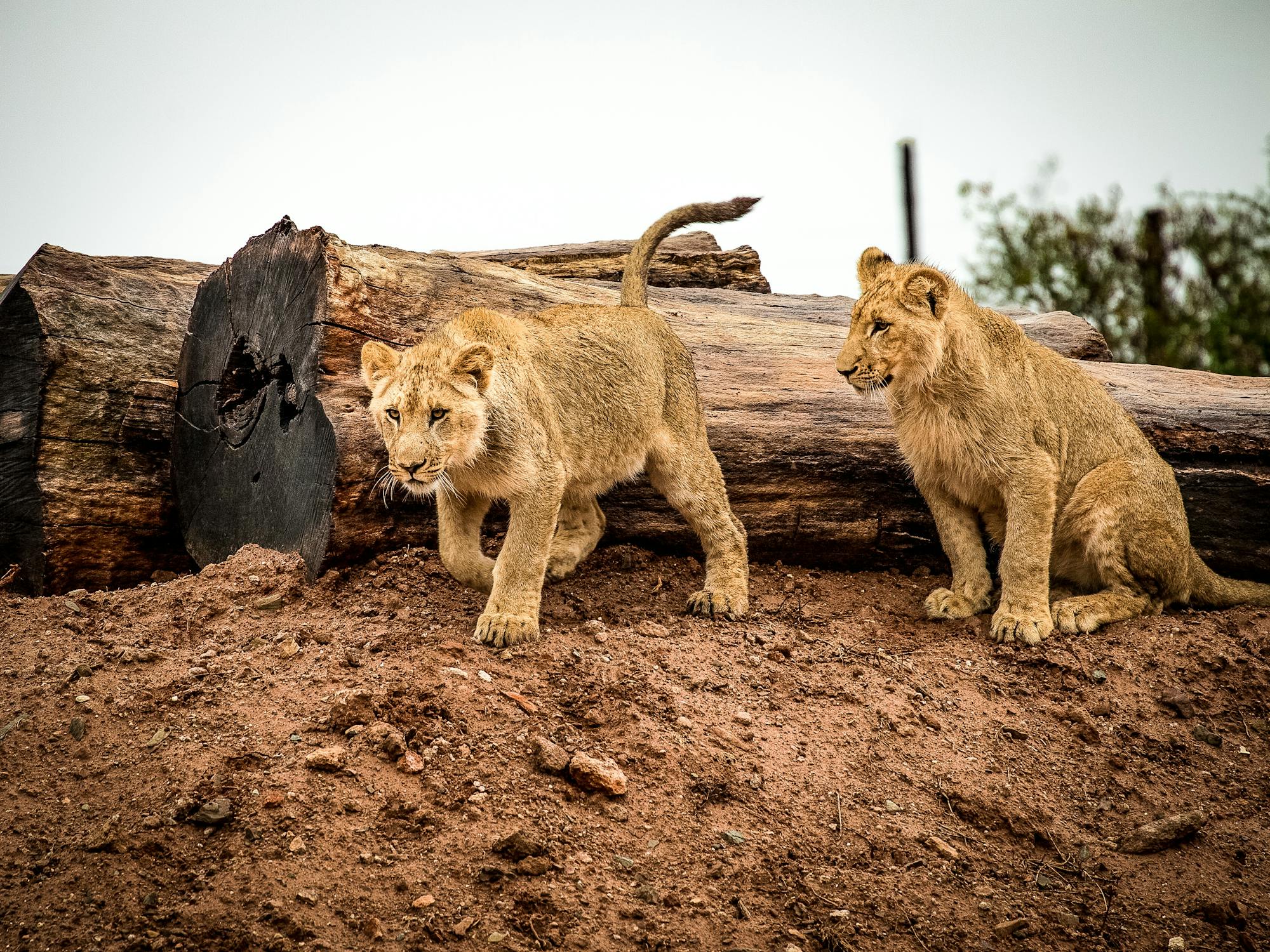
Cubs observe hunts from a young age. Mothers do not formally teach hunting — the cubs learn by watching and by attempting to replicate what they see. First attempts at hunting involve stalking insects, lizards, and small birds. These attempts produce frequent failures and occasional successes. The physical skills of stalking, sprinting, and gripping are practiced thousands of times before they become reliable.
Between nine and twelve months old, cubs begin accompanying adults on hunts. They participate in the final stages of a hunt from around fourteen months. They are poor hunters independently until around two years old. Survival during the learning period depends entirely on the pride’s collective hunting success. Cubs that lose their mothers before independence have very low survival rates.
Dispersal and Independence
Female cubs often remain in or near their natal pride for life. Male cubs are expelled between two and four years old. The pride’s adult males drive them out as they reach sexual maturity and begin competing for resources. This dispersal is necessary for the coalition formation process that drives male lion social structure. It is also the most dangerous transition in a male lion’s life.
Female cubs that stay in the pride inherit territory knowledge, social bonds, and hunting cooperation networks built over years. This inheritance gives them a massive head start over dispersing males. Female cubs from large, successful prides in prime territory tend to become the most productive breeders in the next generation.
Plan Your Safari
Lion cub sightings are among the most sought-after experiences in East Africa. The Maasai Mara’s large prides with documented histories produce cubs in most months of the year. The Serengeti’s Ndutu area during the wildebeest calving season — January to March — is particularly good for cub sightings as prides exploit the concentrated prey. Kenya’s Amboseli and Tanzania’s Ngorongoro Crater also produce reliable cub encounters with well-habituated prides.
African Wild Trekkers tracks current cub activity with our guide networks in the Mara and Serengeti. Contact us to time your visit to the prides with active cubs.