Mountain Gorilla Uganda: Everything You Need to Know Before Trekking Bwindi
There is no wildlife encounter in Africa that compares to sitting one metre from a mountain gorilla family group in the Bwindi Impenetrable Forest. The silverback’s size — over 200 kilograms of muscle and bone — is immediately physical. The infants’ playfulness is immediately charming. The family’s calm acceptance of your presence after years of habituation produces a quality of encounter that no game drive can replicate. Uganda’s Bwindi Impenetrable National Park holds approximately half the world’s mountain gorilla population. This is where gorilla trekking was invented.
What Is a Mountain Gorilla?
The mountain gorilla, Gorilla beringei beringei, is a subspecies of the eastern gorilla. It is distinct from the lowland gorillas of west and central Africa. Mountain gorillas are found only in two locations: the Bwindi Impenetrable Forest in Uganda (and the border areas of the Democratic Republic of Congo and Rwanda) and the Virunga Massif volcanic mountains shared between Uganda, Rwanda, and the DRC.
The mountain gorilla is the largest of the four gorilla subspecies. An adult male silverback weighs between 140 and 220 kilograms. Body length in a standing silverback reaches up to 1.8 metres. Females weigh 70 to 100 kilograms. The coat is long and thick — an adaptation to the cool, wet montane forest environment above 1,500 metres where mountain gorillas live. This thick coat distinguishes them from lowland gorillas, which live in warmer, lower-altitude forests with shorter coats.
The Silverback: Leader of the Family Group
The silverback is the dominant adult male in the family group. He earns this name from the distinctive saddle of grey-silver hair that develops across the back of mature males from about 12 years old. The silverback makes all major decisions for the family: when to move, where to nest, how to respond to threats. He leads from the front when moving and fights to protect the group. Every family member’s safety depends on the silverback’s competence.
The silverback’s primary social function is protection. When a threat appears a human intruder, a rival male, a leopard the silverback charges toward it while the rest of the group retreats behind him. The charge display involves standing upright, roaring, beating the chest with cupped hands, breaking vegetation, and sometimes making a short physical contact. This display is intended to intimidate without requiring a full fight. Most threats retreat before physical contact occurs.
Family Group Structure
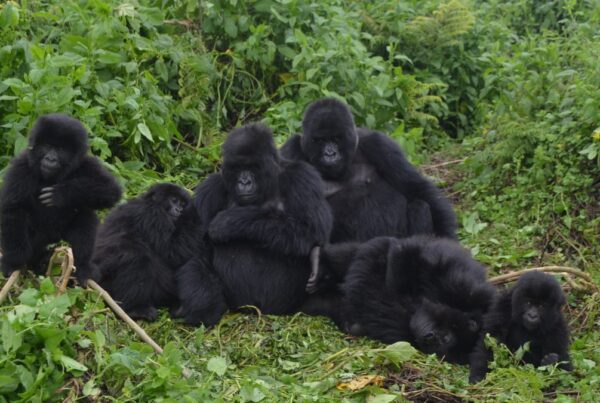
A mountain gorilla family contains one dominant silverback, sometimes one or two subordinate males, several adult females, and their offspring. Family sizes range from 2 to over 40 individuals, with the average family in Bwindi numbering 12 to 18. Females join the family from other groups they are not philopatric in the way female chimpanzees are. This female transfer between groups creates genetic diversity across the population.
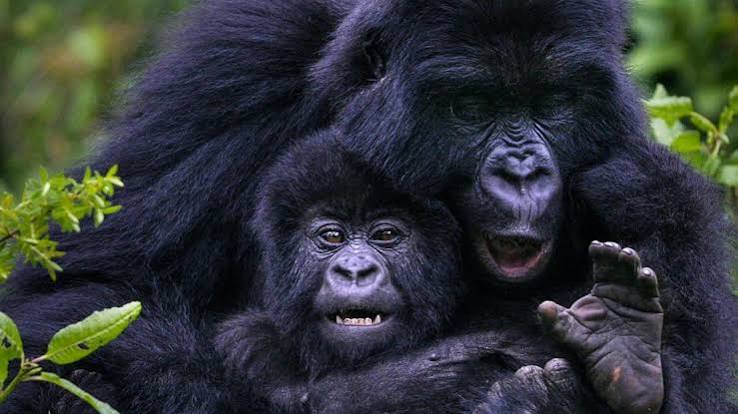
Social bonds within the family are tight. Infants are central to family life every member interacts with them, plays with them, and tolerates their curiosity. Sub-adult males are the most frequent play partners for infants. Adult females groom each other and the silverback extensively. The grooming network within a family is the best measure of its social cohesion.
Bwindi’s Gorilla Population
Bwindi Impenetrable National Park holds approximately 460 mountain gorillas — about half the global population of just over 1,000. This population has grown from fewer than 300 in the 1980s. The growth reflects the success of a conservation model built on tourism revenue shared with surrounding communities, intensive anti-poaching patrols, veterinary intervention for injured individuals, and community education programmes.
The park’s 23 habituated family groups habituated meaning they accept human presence without fear — are available for trekking. Each group is visited by a maximum of eight tourists per day, for one hour of observation time. This strict limit protects the gorillas from disease transmission and ensures the encounter quality remains high.
The Trekking Experience
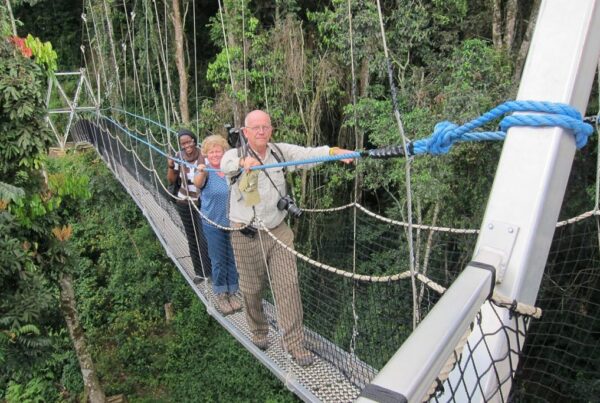
Gorilla trekking in Bwindi starts with a briefing at the Uganda Wildlife Authority ranger station. Groups of eight trekkers with two armed rangers and a lead guide enter the forest. The trek lasts from 30 minutes to 8 hours depending on where the gorilla family has moved overnight. Once the family is found, the hour timer begins. No photography flash is permitted. Voices are kept low. A minimum approach distance of 7 metres is maintained unless a gorilla approaches you which they sometimes do.
The hour passes in a state of complete absorption. Time moves differently inside a mountain gorilla encounter than it does anywhere else on an African safari.
Plan Your Safari
Uganda offers multiple trekking sectors across Bwindi Buhoma, Ruhija, Rushaga, and Nkuringo each with different family groups and different approaches through varied forest types. Permits must be booked well in advance, particularly for peak season travel between June and September and December to February.
African Wild Trekkers handles gorilla permits, forest accommodation, and full Uganda safari itineraries that combine Bwindi with the country’s other extraordinary wildlife. Contact us to begin planning your mountain gorilla encounter.