Common Reedbuck Facts: The Whistling Antelope of East Africa’s Floodplains
The common reedbuck produces a sharp, piercing whistle when alarmed. The call can travel up to 200 meters across open floodplains. This whistle is the species’ most distinctive field feature.
When startled, a reedbuck runs with a bounding motion. It holds its head high as it escapes. A white rump patch flashes with every leap. The whistle repeats with each landing.
Seeing a reedbuck cross a papyrus margin at sunrise creates a memorable East African wildlife experience. Uganda offers some of the region’s highest common reedbuck densities.
What Is a Common Reedbuck?
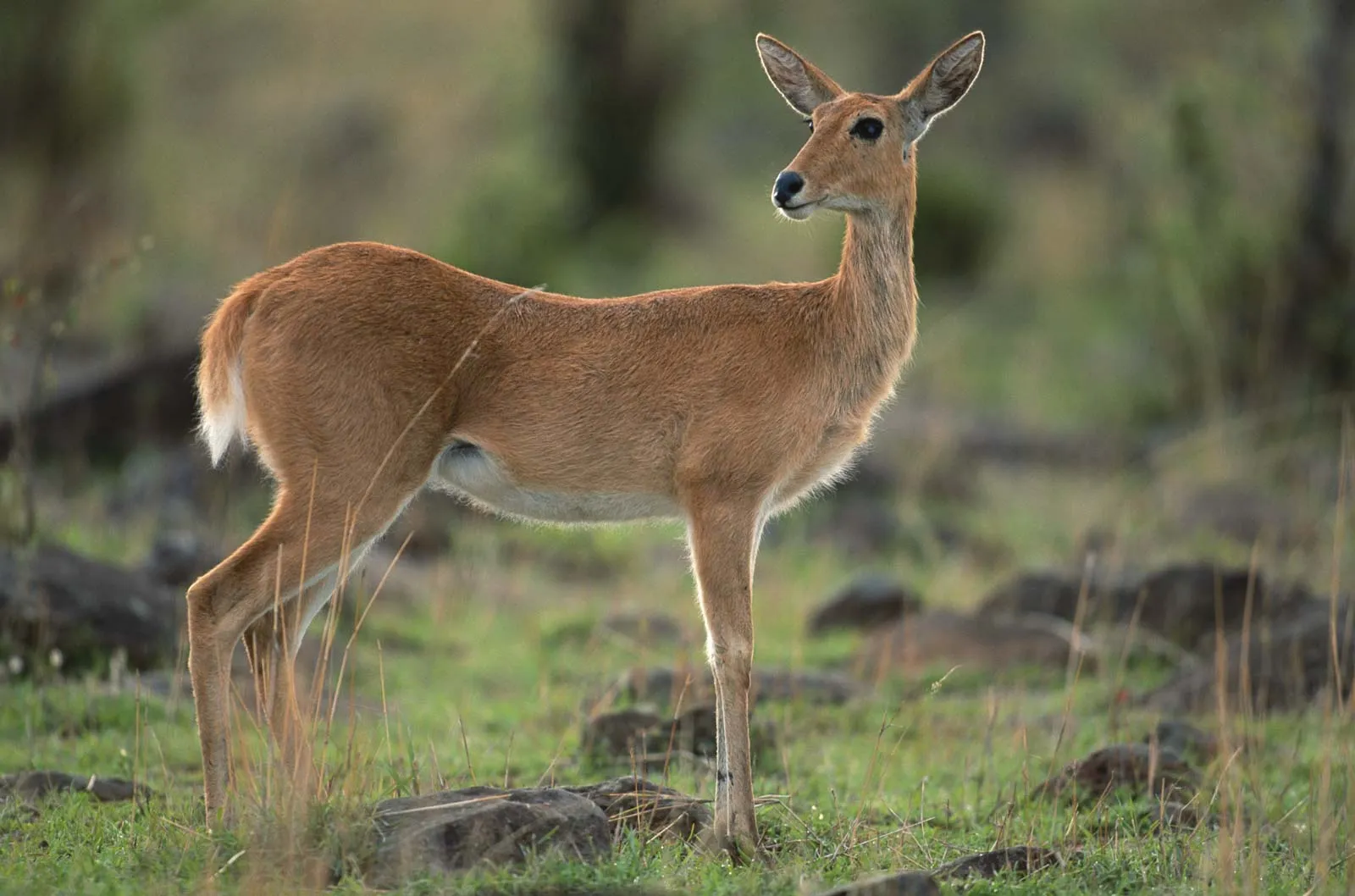
The common reedbuck, Redunca arundinum, is Africa’s largest reedbuck species. Adults weigh between 57 and 95 kilograms. Their shoulder height ranges from 65 to 95 centimeters.
Only males grow horns. The horns curve forward and upward at the tips. They form a distinctive hook shape. Horns usually measure 25 to 45 centimeters long.
This horn shape helps identify the common reedbuck in the wild. It separates the species from the Bohor reedbuck and mountain reedbuck.
The coat varies from fawn to grey-brown on the back. The underparts are white. A dark circular skin patch appears below each ear. This subauricular gland is less visible than the oribi’s gland.
The rump has a white patch. It becomes visible during the animal’s bounding alarm run.
Reed and Grassland Habitat
Common reedbucks need tall grass, reeds, and papyrus cover. They prefer floodplain grasslands, river edges, and papyrus margins.
They avoid dense bushes and forests. short open grasslands.
Tall vegetation helps them hide from predators. When threatened, a reedbuck often lowers itself into the grass. It freezes before attempting to escape.
The animal only starts running when danger comes within 20 to 30 meters.
Common reedbucks depend on water sources. They drink daily and stay close to permanent water. Most home ranges remain within five kilometers of water.
Floodplains provide the ideal habitat. They offer both water and tall grass cover. Seasonal floods help maintain grass growth during dry periods.
Social Structure and Territory
Common reedbucks live in pairs or small groups. Groups usually contain three to five animals.
A typical group includes one territorial male, females, and young. The male controls a territory between 20 and 60 hectares.
He marks boundaries using gland secretions and dung middens. Territory size depends on habitat quality.
Rich floodplain areas support smaller territories. Drier areas require larger ranges.
Both males and females use the alarm whistle. Males use it more often for territory displays and communication.
Range in East Africa
Common reedbucks reach their highest East African numbers in Uganda. Queen Elizabeth National Park supports strong populations.
The Kasenyi plains and Lake George floodplains provide excellent habitat. These areas offer tall grasses and permanent water.
Tanzania also supports common reedbucks. Key locations include Selous-Nyerere, Ruaha, and the Rufiji River floodplains.
Kenya has fewer common reedbucks. Sightings occur in the Maasai Mara’s long-grass areas and Amboseli’s swamp margins.
Plan Your Safari
Queen Elizabeth National Park offers some of East Africa’s best common reedbuck sightings. Early morning game drives in the Kasenyi plains provide the best opportunities.
Reedbucks often graze along tall grass edges before temperatures rise.
In Tanzania, boat safaris on the Rufiji River can reveal reedbucks along riverbanks. Morning trips offer the strongest chances.
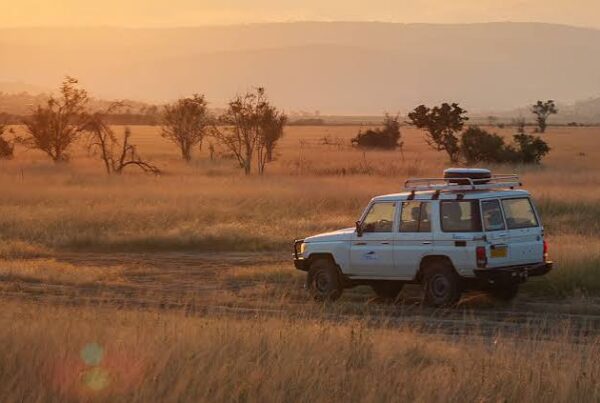
Quiet observation works best. A vehicle parked near floodplain grass can allow reedbucks to emerge naturally.
Watching these antelope feed, whistle, and disappear into tall grass creates a unique safari moment.
African Wild Trekkers designs Uganda and Tanzania safari itineraries through the best floodplain antelope habitats in East Africa. Contact us to plan a safari exploring the full diversity of East Africa’s grassland and wetland antelope community.