Rwanda Silverback Names: The Named Individuals Who Lead Volcanoes National Park’s Gorilla Families
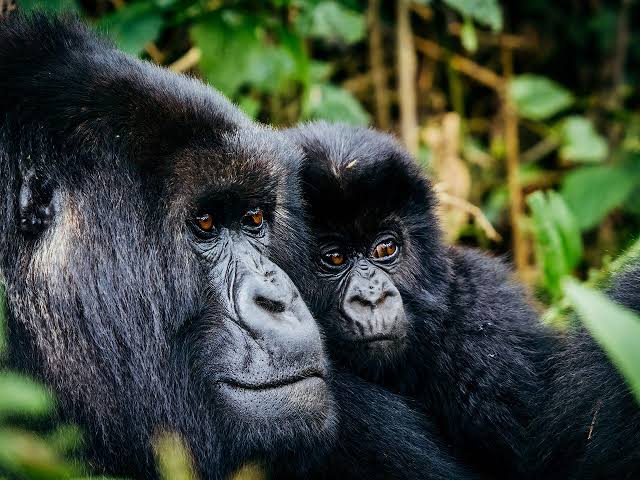
The mountain gorillas of Volcanoes National Park are individually identified and named. Research and monitoring teams maintain records for every individual in every habituated family. The names given to silverback males are particularly significant. These dominant males are the leaders and protectors of their family groups. Their behaviour, health, and social relationships shape the life of every gorilla in their family.
Naming individual gorillas has a long history at Karisoke. Dian Fossey named the gorillas she studied beginning in 1967. Her field notes record the animals by these names. The tradition she established connects modern Rwanda’s gorilla management to the foundational research that launched the conservation program.
Famous Silverback Names
Cantsbee was one of the most celebrated silverbacks in the Virunga population. He led his group for decades and was the subject of extensive research. His long tenure as a dominant silverback provided one of the longest individual leadership records in any great ape study. Cantsbee’s name reflected a field researchers’ note about the difficulty of seeing clearly in forest vegetation in his early observation period.
Titus was another extraordinarily significant silverback in the research record. He appeared in Fossey’s original research as a juvenile. He grew to become the dominant male of his group and led it for many years. His life history, spanning from Fossey’s time through the post-genocide period, made him one of the most historically significant individuals in the entire mountain gorilla research record.
Pablo led one of the park’s largest groups. His group split due to its size to form Urugamba, now one of the habituated groups available for tourist trekking. Pablo’s long leadership demonstrated the social complexity and political sophistication that silverback males develop over years of group management. His group history is one of the most detailed individual gorilla stories in the research literature.
How Silverbacks Lead
A silverback’s leadership role is comprehensive. He makes decisions about group movement and foraging direction. He protects the group from predators and from other gorilla males seeking to challenge his dominance. He mediates disputes between group members. He is the first line of defence if any threat approaches the group. His presence is the defining social structure around which everything in the group organises itself.
Silverback males develop the silver-grey back colouration that gives them their name at approximately 12 years of age. This colour change signals sexual and social maturity. A young adult male is called a blackback before his silver fur develops. The transition to silverback colouring signals the beginning of the potential to lead a group, either by challenging an existing silverback or by attracting females from other groups to form a new family.
Multi-male groups, in which more than one silverback lives together in a single family, are one of the most interesting social arrangements in mountain gorilla communities. The relationship between a dominant silverback and a subordinate male in the same group combines competition and cooperation. The research conducted in Volcanoes National Park has provided important data on how these multi-male arrangements function and how stable they are over time.
What You Observe on the Trek
The silverback is the most physically imposing individual in any gorilla encounter. His size, posture, and the authority of his presence within the group are immediately apparent. Watching a silverback manage his group during the encounter hour, deciding when to move, settling minor disputes, and responding to the visitor group with calm confidence, gives the clearest insight into what gorilla social leadership looks like in practice.
Silverback vocalisations during the encounter can be startling. A soft belch vocalisation signals contentment. A harsh bark communicates alarm. A chest beat accompanied by the crashing of vegetation is the most dramatic display in the gorilla behavioural repertoire. A nearby chest beat demonstration from a silverback in full display is one of the most memorable sensory experiences in African wildlife.
Plan Your Rwanda Gorilla Safari
Understanding the silverback’s role before you trek makes the encounter more meaningful. Every behaviour you observe during the hour has context in the social structure the silverback maintains. Every movement, every interaction, every vocalisation connects to that structure. The named silverbacks of Volcanoes National Park are among the most thoroughly documented individual wild animals anywhere in the world.
African Wild Trekkers designs Rwanda gorilla safari itineraries and briefs all clients thoroughly on gorilla behaviour and social structure before each trek. Contact us to plan a Rwanda gorilla safari that approaches the encounter with the knowledge and context that makes it fully meaningful.