Big Five Africa Explained: Discover Africa’s Most Famous Wildlife Animals
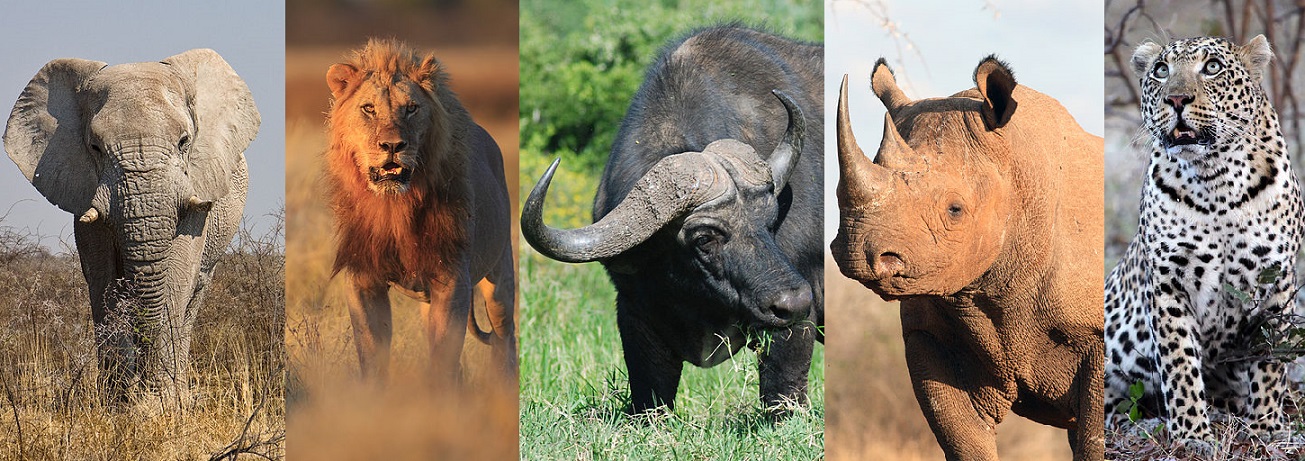
The African Big Five are among the most famous wildlife animals on the continent. They include the lion, leopard, elephant, rhinoceros, and African buffalo.
The name “Big Five” originally came from hunters who considered these animals the most challenging to track on foot. Today, the meaning has changed. The Big Five represent some of Africa’s most treasured wildlife and are a major attraction for responsible safari tourism.
Seeing these animals in their natural habitats is one of the most unforgettable experiences for travelers exploring Africa.
The African Lion: The King of the Savannah
The African lion is one of the most recognizable animals in the world. Lions are known for their strength, powerful roars, and social lifestyle. Unlike most big cats, lions live in groups called prides. A pride usually includes related females, cubs, and one or more adult males.
Lionesses work together to hunt, while male lions focus on protecting the pride and territory. Their teamwork helps them survive in Africa’s challenging environments. Lions can be found in several African countries, including Tanzania, Kenya, Uganda, Botswana, and South Africa.
The African Leopard: The Master of Stealth
The African leopard is one of the most secretive members of the Big Five. Leopards are famous for their beautiful spotted coats, powerful bodies, and incredible ability to remain hidden.
They are excellent climbers and often carry their prey into trees to protect it from other predators. Leopards hunt alone and rely on patience, camouflage, and surprise. Their adaptability allows them to survive in forests, mountains, and open savannahs across Africa.
The African Elephant: The Gentle Giant
The African elephant is the largest land animal on Earth. These intelligent animals are known for their strong family bonds, impressive memory, and emotional connections.
Elephants live in family groups led by older females called matriarchs. They communicate through sounds, body movements, and vibrations that can travel across long distances. They use their trunks for feeding, drinking, communication, and many other activities. Elephants play an important role in maintaining healthy ecosystems by shaping landscapes and spreading seeds.
The Rhinoceros: A Symbol of Conservation
The rhinoceros is one of Africa’s most ancient animals. Africa has two main rhino species: the black rhinoceros and the white rhinoceros. Rhinos are known for their thick skin, large horns, and powerful bodies. Despite their size, they can move quickly when threatened.
Rhinos face serious conservation challenges due to habitat loss and illegal hunting. Protection programs across Africa continue working to secure their future.
The African Buffalo: The Powerful Herd Animal
The African buffalo is one of the strongest members of the Big Five. These large herbivores live in herds that can include hundreds of individuals.
Buffalos are known for their unpredictable nature and strong defensive behavior. When threatened, they can become extremely protective, especially when defending young members of the herd. They are found in grasslands, wetlands, and forests across many parts of Africa.
Why Are They Called the Big Five?
The term “Big Five” does not refer only to size. It refers to the difficulty early hunters faced when tracking these animals. Today, the Big Five represent conservation, wildlife protection, and unforgettable safari experiences. Many travelers dream of seeing all five during an African adventure.
Where Can You See the African Big Five?
Africa offers many destinations where visitors can search for the Big Five. The Serengeti National Park in Tanzania and Maasai Mara National Reserve in Kenya are famous for lions, elephants, leopards, and buffalo.
South Africa’s Kruger National Park is one of the best places to see all five animals. Uganda’s national parks also offer opportunities to see elephants, lions, leopards, and buffalo. Botswana, Namibia, and Zimbabwe also provide excellent Big Five safari experiences.
The Importance of Big Five Conservation
Protecting the Big Five helps preserve Africa’s ecosystems. These animals play important roles in maintaining natural balance. Elephants shape landscapes, lions control prey populations, leopards maintain predator balance, buffalo support grassland ecosystems, and rhinos contribute to biodiversity.
Conservation efforts focus on protecting habitats, supporting local communities, and reducing threats such as poaching and human-wildlife conflict.
The Big Five and Responsible Tourism
Safari tourism creates opportunities to protect wildlife while supporting communities. When travelers visit national parks and conservation areas, they contribute to wildlife protection programs and local economies.
Responsible tourism encourages respect for animals and their natural environments.
Plan Your African Big Five Safari Experience
A Big Five safari offers more than wildlife viewing. It provides a chance to experience Africa’s landscapes, cultures, and conservation stories.
From watching lions on the savannah to observing elephants in family groups, every encounter creates a deeper connection with nature.
Explore Africa and discover the incredible world of the Big Five.